


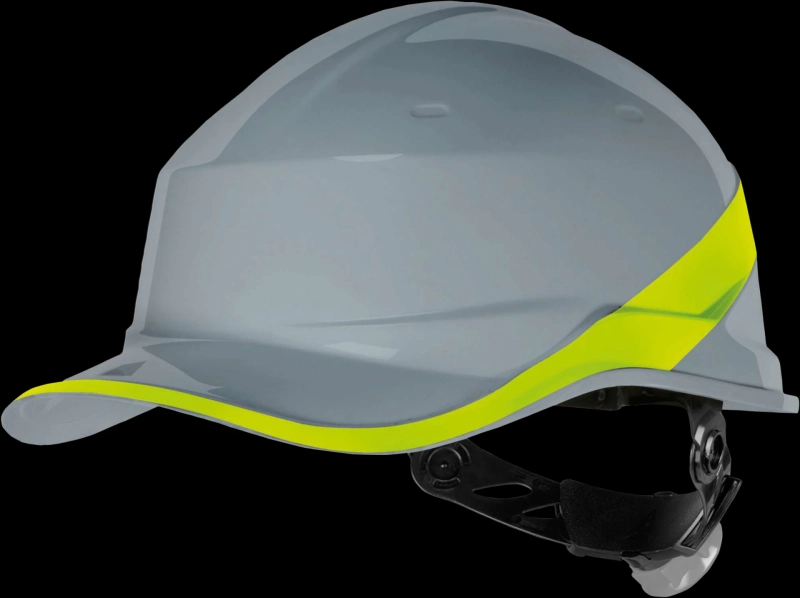
In any industrial environment, safety begins with awareness and the use of reliable protective equipment. Whether employees are working on construction sites, navigating warehouse machinery, or performing tasks at height, the head is one of the most vulnerable parts of the body. A minor accident can lead to serious consequences, which is why workers rely on a safety helmet as one of the most critical elements of their protective gear. Modern workplaces understand that head injuries can occur unexpectedly, and investing in the right equipment significantly reduces risks.
The idea behind strong head protection is simple. It creates a barrier that helps absorb impact, shield workers from falling objects, and reduce the force of accidental collisions. As industries evolve and safety standards become increasingly stringent, headgear has undergone significant improvements in design, structure, and comfort. Today’s helmets are lighter, more durable, and engineered to provide reliable protection during demanding tasks.
The Evolution of Protective Headgear
Decades ago, helmets were often bulky and uncomfortable. They were designed primarily for impact resistance, with little consideration given to ventilation or prolonged wear. Over time, safety engineers recognized that gear must strike a balance between comfort and performance. Workers who wear protective gear daily need products that fit well, stay secure, and allow them to focus on their responsibilities without distraction.
Materials such as high-density polyethylene and reinforced polymers transformed the industry. These materials offer strong resistance to shocks while maintaining lightweight helmets. Adjustable suspension systems, cushioned padding, and sweat-control technologies make modern helmets more comfortable to wear for extended periods. This ensures that workers stay protected without feeling weighed down.
Today, advanced helmets support multiple industries. Construction workers, electricians, miners, and factory teams all rely on models designed for specific risks. Some helmets include insulation to protect against electrical hazards, while others offer chin straps for use when working at heights. These innovations help companies choose headgear that aligns with their operational needs.
How Safety Culture Improves Productivity
A safe environment inspires confidence. When employees trust their protective equipment, they are more focused and efficient. Safety is not only about preventing accidents, but it is also a foundation for better performance. A well-protected worker is more likely to complete tasks accurately and efficiently.
Companies that provide reliable gear create a stronger safety culture. Workers recognize that their well-being is valued, which improves morale and teamwork. Positive attitudes toward safety reduce carelessness and encourage responsible decision-making. Over time, these habits contribute to consistent productivity and fewer disruptions.
Helmets serve as a constant reminder that safety is a priority. In industries where heavy materials, power tools, and machinery are frequently used, every layer of protection counts. When companies choose high-quality equipment, they help eliminate hazards before they escalate.
Choosing the Right Safety Helmet
Selecting the correct safety helmet depends on the specific work environment and the associated risks. Here are some crucial components to consider:
Impact Resistance
A helmet must withstand the force of falling objects, accidental bumps, or unexpected pressure. The outer shell protects against impact while the interior suspension system absorbs shock.
Comfort and Fit
Workers move throughout the day, so helmets must stay secure without causing discomfort. Adjustable straps, moisture control lining, and proper weight distribution help maintain comfort.
Ventilation and Heat Management
Industrial environments often involve heat. Helmets with ventilation channels enable air circulation, reducing overheating during extended shifts.
Electrical Safety
Some jobs expose workers to electrical currents. Specialized helmets include insulation properties to shield against electrical hazards.
Attachments and Accessories
Face shields, earmuffs, visors, and lights can be added to enhance protection depending on job requirements.
Adding all these features ensures that the helmet performs reliably during demanding daily operations.
How Head Protection Supports Long-Term Safety Goals
Investing in proper protective headgear does more than prevent short-term injuries; it also protects against long-term health risks. It supports long-term workforce health and reduces operational costs related to accidents. Medical expenses, downtime, and compensation claims can be avoided with the proper preventive measures.
Organizations that prioritize headgear demonstrate leadership in safety. This enhances their reputation and makes them a more attractive employer. Workers prefer companies that provide reliable protective equipment and show commitment to their welfare.
Safety experts often emphasize that workers should never compromise on head protection. Even simple tasks involve risks, and helmets create a defense against unpredictable incidents. From small falling debris to accidental slips, helmets serve as a reliable safeguard.
Training and Awareness Make a Difference
Providing equipment is only the first step. Workers must understand how to wear helmets correctly and inspect them regularly for damage. Small cracks or loose straps can reduce effectiveness. Regular training sessions help reinforce safe habits.
Awareness campaigns, visual reminders, and routine checks help workers stay conscious of safety guidelines. Supervisors should encourage open communication so workers can report issues or request replacements when needed.
With the right combination of equipment and education, companies create a safer, stronger, and more responsible workforce.
Final Thoughts
As industries grow, new technologies and tools bring new challenges. Regardless of how advanced workplaces become, physical hazards will always be part of the environment. This makes protective gear essential today and in the future.
A helmet is more than an accessory. It is a tool that protects workers, improves confidence, and strengthens workplace values. Companies that invest in quality gear preserve their most important asset, their people. Prioritizing safety equipment is a direct reflection of a company's commitment to employee well-being. This proactive approach not only minimizes the risk of severe injuries but also contributes to a more productive and reliable workforce. In a demanding industrial landscape, investing in high-quality Personal Protective Equipment (PPE), exceptionally reliable head protection, is an investment in operational continuity and long-term business success, ensuring that employees can perform their duties with confidence.
Delta Plus offers advanced protective solutions designed for long-lasting safety, comfort, and dependable performance. Their equipment supports workers across various industries, enabling them to operate with confidence and security in demanding environments.