



For decades, pasta has held a special place on dining tables around the world. It has always been a symbol of comfort—simple, warm, and satisfying. Yet today, it is becoming much more than a comfort food favorite. The modern food landscape is undergoing a major shift as consumers increasingly prioritize wellness, nutrition, and mindful eating. In this transformation, pasta has risen from a misunderstood source of “empty carbs” to a celebrated health-forward staple.
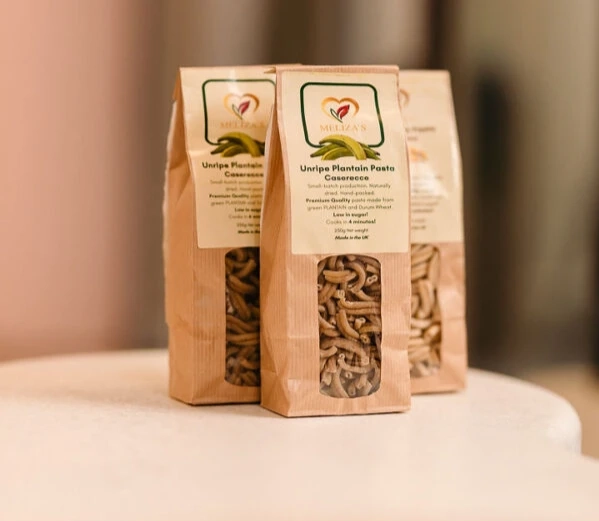
Meliza’s Pasta offers both ripe and unripe options, giving customers a unique choice in texture and flavor. The ripe pasta delivers a soft, rich taste, while the unripe version offers a firmer bite perfect for those who love authentic, customizable pasta experiences in every meal.
Its evolution reflects changing dietary science, cultural influences, and consumer preferences, proving that pasta can be nourishing, versatile, and guilt-free. The growing trend of premium pasta choices is reshaping perceptions and redefining what healthy comfort food looks like.
The Changing Perception of Carbohydrates
For years, pasta was wrongly labelled as unhealthy due to the widespread misconception that all carbohydrates cause weight gain. The low-carb era led many to avoid pasta entirely, viewing it as a dietary enemy. However, modern nutrition science has changed this narrative significantly. Experts now recognize that complex carbohydrates, when consumed mindfully and paired with balanced ingredients, are essential to overall health. Pasta made from whole grains, legumes, and high-protein flour provides fiber, vitamins, minerals, and sustained energy. Instead of contributing to weight gain, these versions of pasta promote digestion, support heart health, and maintain stable blood sugar levels. The shift from fear to acceptance has boosted pasta’s reputation as a nourishing, responsible, and wholesome part of everyday eating.
The Rise of Nutritional Innovation in Pasta
One major factor driving pasta’s new identity as a health food is innovation in production. Today’s pasta aisle is filled with choices far beyond the classic wheat noodle. Shoppers can choose high-fiber whole wheat pasta, gluten-free options made from brown rice or quinoa, and protein-rich varieties made from chickpeas, lentils, and beans. Each type carries distinct nutritional benefits, allowing consumers with dietary restrictions or fitness goals to enjoy pasta without compromise. These enhanced pasta options contain up to three times more protein and fiber compared to traditional refined wheat pasta, making them ideal for athletes, weight-watchers, and families seeking nutritious convenience. This diversity demonstrates pasta’s ability to evolve with modern needs and maintain its status as a beloved staple.
Comfort Food With a Healthy Twist
Comfort food is often associated with indulgence—creamy, rich, and emotionally satisfying meals. However, the emerging trend of healthier comfort cuisine allows people to enjoy the meals they love without sacrificing nutrition. Pasta perfectly fits this category. With countless variations and endless pairing possibilities, it easily absorbs healthy upgrades. A simple pasta dish can transform into a balanced meal with vegetables, lean protein, olive oil, and herbs. The shift toward mindful comfort food means consumers can find joy in eating without guilt. Pasta satisfies emotional cravings while aligning with wellness goals, offering the best of both worlds. This combination has made pasta a top choice for those seeking wholesome meals that still feel indulgent.
Plantain Pasta is a nutritious and gluten-free alternative made from ripe or unripe plantains. Rich in fiber, potassium, and natural sweetness, it offers a delicious twist on traditional pasta. Its smooth texture and subtle flavor make it perfect for pairing with savory sauces or light, healthy vegetable-based dishes.
A Versatile Solution for Modern Lifestyles
In today’s fast-paced world, convenience is essential. Busy routines demand meals that are simple to prepare yet nutritious and fulfilling. Pasta meets this need effortlessly. It cooks quickly, requires minimal preparation, and works well with pantry staples and seasonal ingredients. Whether tossed with fresh vegetables, blended with plant-based sauces, paired with protein, or served cold in salads, pasta adapts to every preference and cuisine. Home cooks, families, and professionals appreciate its reliability and creativity. At the same time, restaurants and meal-prep brands have embraced pasta for its versatility and popularity. Its ability to transform into countless dishes makes it far more adaptable than many other carbohydrate foods. As modern consumers seek balanced meals that are easy to prepare, pasta stands out as the perfect choice.
A Growing Shift Toward Plant-Based Eating
The plant-based movement has significantly influenced pasta’s rise as a health food. More people are actively reducing meat consumption and adopting vegetarian or flexitarian diets for health, environmental, and ethical reasons. Pasta naturally supports plant-forward eating because it pairs effortlessly with vegetables, legumes, seeds, and plant-based proteins. Sauces made from tomatoes, spinach, basil, mushrooms, and cashews offer rich flavors with nutritional benefits. Legume-based pasta provides complete protein without animal products, appealing to fitness enthusiasts and vegan consumers alike. As plant-based eating becomes mainstream, pasta emerges as an accessible and enjoyable foundation for nutritious, sustainable meals that support overall well-being. This shift makes pasta not only comforting but also aligned with future-focused food trends.
Science-Backed Benefits for Gut Health and Energy
Scientific research continues to support pasta’s positive effects on health when consumed responsibly. Pasta’s complex carbohydrates deliver slow-release energy, which helps maintain stable blood sugar levels and reduces cravings. This makes it a smart choice for those looking to manage appetite and maintain consistent energy throughout the day. Additionally, whole-grain and legume-based pasta varieties contain high levels of fiber that nourish the digestive system and support healthy gut bacteria. Nutritionists emphasize that fiber-rich pasta plays a valuable role in preventing constipation, lowering cholesterol, and improving metabolic function. The growing awareness of gut health has made pasta increasingly appealing to health-conscious consumers searching for meals that support long-term wellness.
The Emotional Value of Comfort Food
Beyond nutrition, the emotional dimension of pasta remains one of its strongest attractions. Food is not only about nourishment—it is also deeply connected to memory, culture, and human connection. A bowl of pasta can remind someone of a family dinner, a childhood celebration, or a favorite restaurant experience. Shared meals create bonds, and pasta is often at the center of these meaningful moments. Its warmth, texture, and aroma evoke feelings of comfort and safety. At a time when people are increasingly prioritizing emotional well-being, foods that provide a sense of familiarity and happiness hold powerful value. Pasta offers this comfort without compromising health, making it an ideal choice during stressful and uncertain times.
A Global Movement That Continues to Grow
Across the world, consumers, chefs, and brands are embracing pasta as a food that balances pleasure and nutrition. Social media has further strengthened this rise, with viral recipe trends and cooking inspiration platforms making pasta more popular than ever. From creamy restaurant-style dishes to colorful veggie-loaded bowls, pasta content has captured massive online audiences. Food industry reports indicate that premium pasta sales and specialty pasta products continue to rise steadily, reflecting strong demand for healthier comfort food options. As wellness trends evolve, pasta remains flexible, innovative, and culturally relevant. Its ability to bring people together while supporting healthier lifestyles ensures that its popularity will continue to grow.
Conclusion
Pasta’s transformation from a misunderstood carbohydrate to a celebrated health-focused comfort food is a testament to changing dietary values, culinary creativity, and scientific understanding. Today’s pasta is versatile, nutrient-rich, and adaptable to every lifestyle, making it an essential food for those seeking balance between pleasure and wellness. As consumers embrace more mindful eating habits, pasta stands out as a comforting, nourishing, and sustainable choice that supports both physical and emotional health. It is more than a meal—it is a symbol of connection, enjoyment, and modern nutrition. In a world that is constantly changing, pasta continues to be the warm, reliable dish that brings comfort with every bite, proving that healthy eating does not have to be restrictive or complicated.