



Introduction:
Omega-3 fatty acids and high-quality protein make salmon one of the most nutritionally valuable seafood choices today and a leading omega-3-rich and high-protein seafood option worldwide. These health benefits are driving its popularity among fitness-focused and health-conscious consumers, significantly boosting salmon demand across retail, foodservice, and value-added seafood markets.
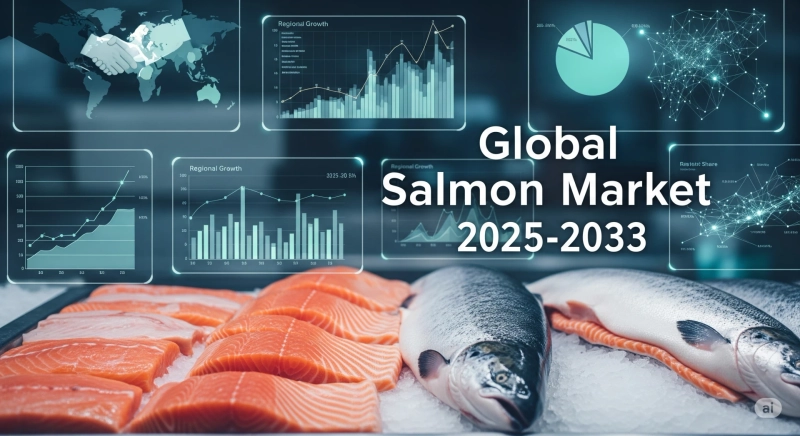
The Global Salmon Market reached 3.7 million tons in 2024 and is projected to grow to 4.8 million tons by 2033, expanding at a CAGR of 3.0% from 2025 to 2033. The European Union leads global consumption, accounting for over 46.3% of total demand in 2024. Rising global seafood consumption, increasing disposable incomes in emerging economies, supportive government policies, and demand for value-added products are collectively driving sustained salmon market growth.
Understanding Omega-3 Fatty Acids in Salmon Nutrition
Omega-3 fatty acids are one of the most valuable nutritional components found in salmon, making it a cornerstone of modern healthy seafood diets. These essential fats, primarily EPA (eicosapentaenoic acid) and DHA (docosahexaenoic acid) play a crucial role in supporting heart health, brain function, inflammation control, and overall wellness. Since the human body cannot produce Omega-3 on its own, dietary sources like salmon become especially important. The high natural concentration of these fatty acids in salmon has significantly boosted its appeal among health-conscious consumers, directly contributing to rising global demand in nutrition-focused food markets.
High-Quality Protein Profile of Salmon
Salmon is widely recognized as one of the best natural sources of high-quality protein in a modern seafood diet. It provides all nine essential amino acids required for muscle growth, tissue repair, and overall body function, making it a complete protein source. A single serving of salmon delivers a substantial amount of easily digestible protein, which supports metabolism, strengthens immunity, and helps maintain lean muscle mass. Unlike many other protein sources, salmon combines this rich protein profile with healthy fats and minimal saturated fat, making it ideal for fitness-focused, weight-management, and heart-healthy diets. This powerful nutritional combination has made salmon a preferred choice among health-conscious consumers, significantly contributing to its rising global market demand.
Request For Sample Report:
https://www.imarcgroup.com/salmon-market/requestsample
Impact of Health Awareness on Global Salmon Consumption Trend
Growing health consciousness among consumers is playing a major role in the rapid increase in global salmon consumption. As people become more aware of the importance of balanced nutrition, heart health, and disease prevention, salmon is increasingly recognized as a “superfood” rich in omega-3 fatty acids, high-quality protein, vitamins, and minerals. Medical research linking omega-3 intake to reduced risks of cardiovascular disease, improved brain function, and lowered inflammation has further strengthened salmon’s image as a premium health food.
Additionally, the rise of fitness culture, clean-eating habits, and preventive healthcare has shifted consumer preferences toward lean protein sources like salmon. Health-driven diet trends such as high-protein, keto, Mediterranean, and low-carb diets also heavily feature salmon, boosting its everyday consumption. This growing focus on wellness, combined with nutritional education through digital media and healthcare professionals, continues to expand the global consumer base for salmon across both developed and emerging markets.
Omega-3 and Protein as Key Drivers of Salmon Market Growth
Omega-3 fatty acids and high-quality protein are two of the most powerful nutritional factors driving the rapid growth of the global salmon market. As consumers become more health-conscious, foods that support heart health, brain function, muscle development, and immunity are in high demand - and salmon fits perfectly into this trend. Omega-3s, particularly EPA and DHA, are widely linked to reduced cardiovascular risk and improved cognitive health, while salmon’s complete protein profile supports active lifestyles, weight management, and fitness-focused diets. This strong nutritional positioning has helped premiumize salmon products, boost repeat consumption, and expand demand across retail, foodservice, and ready-to-eat seafood segments worldwide.
How Modern SeaFood Trends Are Accelerating Salmon Demand?
Modern seafood trends such as the rising preference for high-protein diets, clean-label foods, and convenient ready-to-eat products are significantly boosting global salmon demand. Health-conscious consumers are increasingly choosing salmon for its rich omega-3 content, lean protein, and versatility in modern cooking formats like smoked, frozen, and meal-prep options. The rapid growth of online grocery platforms, premium dining experiences, and sustainable seafood sourcing is further accelerating salmon consumption across both developed and emerging markets, making it one of the fastest-growing categories in the global seafood.
Conclusion:
Omega-3 fatty acids and high-quality protein have positioned salmon as a cornerstone of modern seafood diets. As consumers increasingly prioritize heart health, fitness, and balanced nutrition, salmon demand trends continue to strengthen over other seafood options. This strong nutritional profile, combined with evolving food trends and rising health awareness, will remain a key driver of sustained nutrition-driven growth in the global salmon market worldwide.
Contact Us
IMARC Group,
134 N 4th St. Brooklyn, NY 11249, USA,
Email: sales@imarcgroup.com,
Tel No: (D) +91 120 433 0800,
United States: +1-201971-6302