



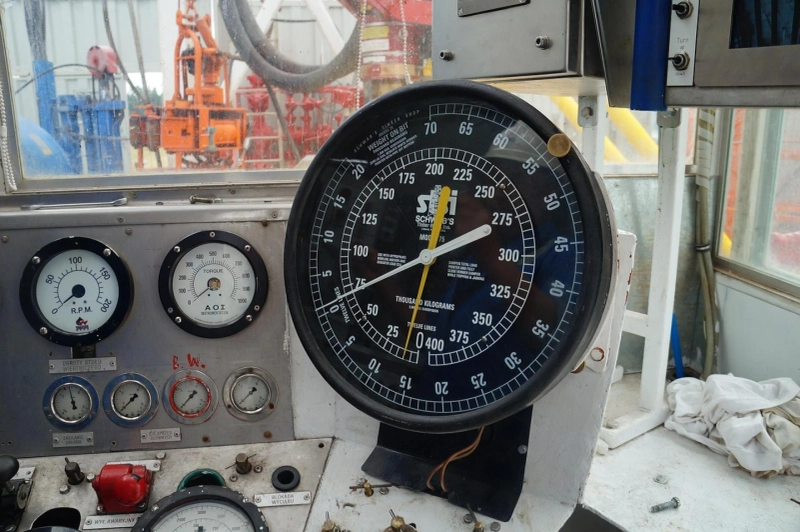
The oil and gas industry is inherently high-risk, with employees regularly exposed to hazardous environments, complex machinery, and volatile materials. Ensuring that workers recognize and respond effectively to hazards is critical for safety and operational efficiency. Traditional training methods, such as classroom instruction, manuals, and on-the-job shadowing, often struggle to deliver realistic, hands-on learning without exposing employees to danger. As a solution, VR Training in oil & gas is gaining widespread adoption, providing immersive, interactive, and risk-free experiences that prepare employees to identify and manage hazards effectively.
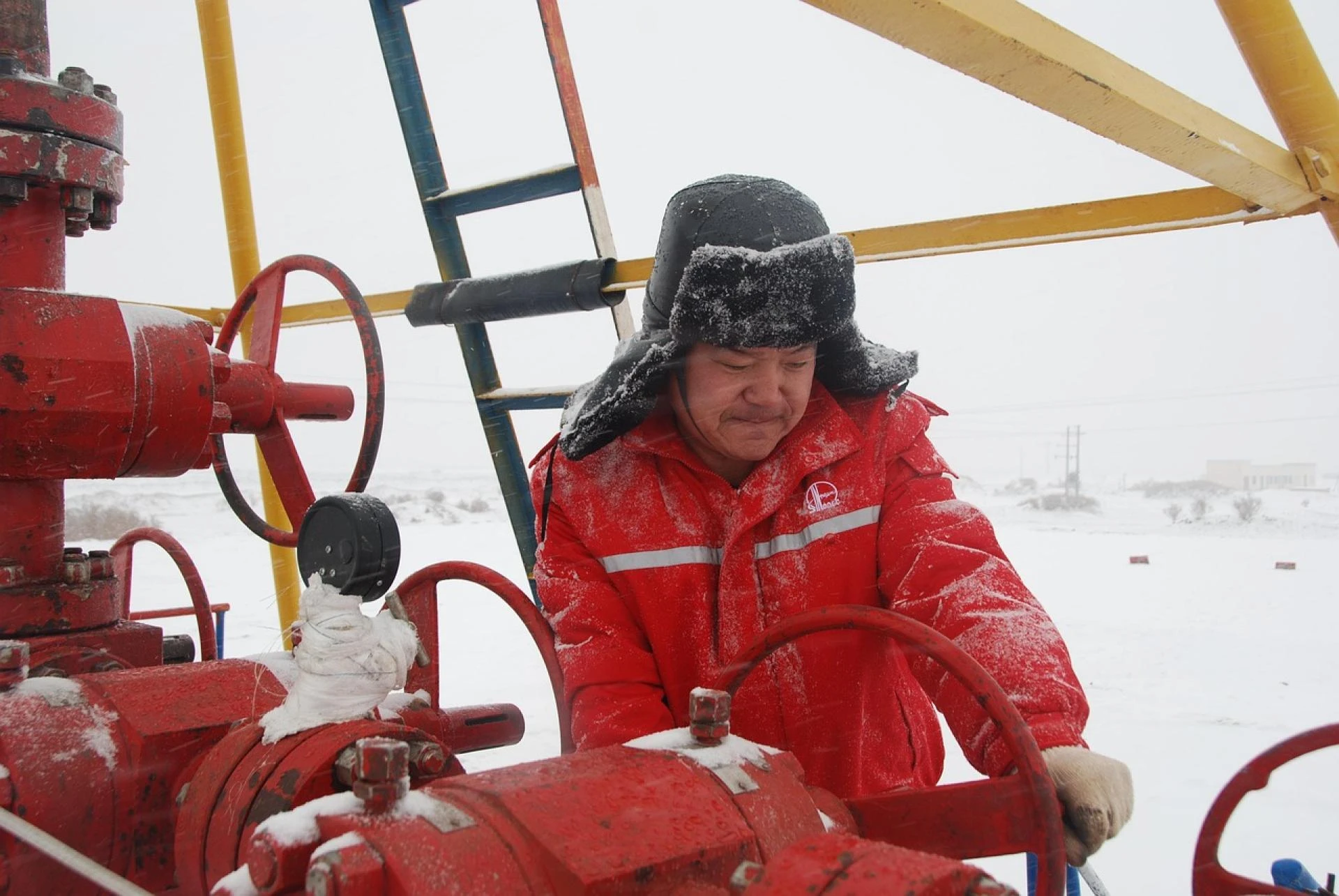
The Importance of Hazard Awareness in Oil & Gas
Hazard awareness is a fundamental aspect of workplace safety in oil and gas operations. Companies face challenges such as:
- Complex Environments: Workers navigate offshore platforms, refineries, and drilling sites with intricate machinery and workflows.
- Exposure to Hazardous Materials: Chemicals, gas leaks, and flammable substances require careful handling.
- High-Risk Operations: Equipment malfunctions, heavy machinery, and extreme environmental conditions increase accident risk.
- Regulatory Compliance: Strict safety regulations demand that employees understand and respond to hazards consistently.
- Training Gaps: Traditional methods may fail to simulate real-world dangers, limiting employees’ practical readiness.
Addressing these challenges requires training that goes beyond theory and engages employees in realistic, hands-on learning experiences.
How VR Enhances Hazard Awareness
VR Training in oil & gas provides a transformative approach to hazard awareness by creating immersive and interactive learning environments. Key advantages include:
1. Immersive Hazard Simulations
VR recreates real-world oil and gas environments, including platforms, refineries, and drilling sites. Employees can practice hazard recognition in a realistic setting, identifying risks such as leaks, equipment malfunctions, or fire hazards.
2. Safe, Risk-Free Learning
Virtual simulations allow employees to experience dangerous scenarios without physical risk. They can make mistakes, explore alternative responses, and learn from errors without endangering themselves or operations.
3. Scenario-Based Learning
VR enables the replication of high-stakes or rare events, such as chemical spills or equipment failures, which are difficult to reproduce safely in reality. Employees gain experience in handling critical situations, improving decision-making under pressure.
4. Immediate Feedback and Analytics
VR systems provide real-time feedback on actions, helping learners understand their mistakes and refine hazard response skills. Analytics allow managers to track competency, identify skill gaps, and ensure consistent safety awareness across teams.
5. Repetition for Mastery
Employees can repeat hazard recognition and response exercises multiple times in VR. This iterative practice strengthens knowledge retention, builds confidence, and develops muscle memory for effective real-world responses.
Benefits of VR Hazard Awareness Training
Adopting VR for hazard awareness offers several organizational benefits:
- Enhanced Safety: Employees are better prepared to identify and mitigate hazards, reducing accidents.
- Consistent Training: Standardized VR modules ensure uniform hazard awareness across all locations and teams.
- Reduced Training Costs: Minimizes the need for live drills, physical setups, and repeated instructor-led sessions.
- Faster Skill Acquisition: Learners develop practical hazard response skills more efficiently than with traditional methods.
- Improved Engagement: Interactive VR experiences maintain attention, increase motivation, and improve knowledge retention.
- Regulatory Compliance: VR modules can be designed to meet industry safety standards and audit requirements.
Practical Applications Across Oil & Gas Operations
VR hazard awareness training can be applied across multiple areas in the oil and gas industry:
- Offshore Platforms: Practice emergency evacuations, fire safety procedures, and hazard identification in complex offshore environments.
- Refineries: Train employees to detect and respond to chemical spills, gas leaks, and equipment malfunctions safely.
- Drilling Operations: Simulate rig operations, machinery handling, and potential equipment failures for risk-free learning.
- Pipeline Management: Allow workers to recognize hazards along pipelines, practice leak response, and rehearse emergency shutdowns.
- Maintenance and Inspections: Train staff to identify potential hazards during inspections and preventive maintenance without real-world risk.
Best Practices for Implementing VR Hazard Awareness Training
To maximize the impact of VR training in hazard awareness, companies should adopt the following strategies:
- Focus on High-Risk Scenarios: Prioritize VR modules for tasks and environments where hazards are most likely to occur.
- Combine VR With Traditional Methods: Use VR alongside classroom instruction, eLearning, and supervised practice to create a blended learning approach.
- Utilize Analytics for Continuous Improvement: Track employee performance to identify skill gaps and adapt VR modules accordingly.
- Encourage Repetition: Allow employees to repeat VR simulations until they achieve mastery in hazard recognition and response.
- Align VR Training With Regulatory Standards: Ensure modules meet safety regulations and industry compliance requirements.
Conclusion
VR Training in oil & gas is revolutionizing how companies approach hazard awareness. By providing immersive, interactive, and risk-free simulations, VR equips employees to recognize and respond effectively to workplace hazards. Its ability to standardize training, offer immediate feedback, and allow repeated practice ensures that employees gain the confidence and competence needed for high-risk operations. For oil and gas companies aiming to enhance safety, reduce incidents, and maintain regulatory compliance, VR hazard awareness training is a forward-looking solution that bridges the gap between theoretical knowledge and practical skill mastery.
To explore more about our work and real-time updates, check out AutoVRse on Twitter, Instagram, and LinkedIn.