


Why Most Podcasts Fail Due to Poor Audio Quality
The podcasting boom has ushered in an era where anyone with a story to tell can potentially reach a global audience. However, this accessibility has led to a phenomenon often referred to as "podfading," where thousands of shows vanish after only a few episodes. While content strategy and marketing are frequently blamed for these failures, a more technical culprit often lurks in the background: poor audio quality. In an age of high-fidelity streaming and noise-canceling headphones, listeners have developed a psychological intolerance for subpar sound. When a podcast sounds like it was recorded in a hollow hallway or a windy park, the audience doesn't just tune out; they subconsciously associate the lack of audio polish with a lack of authority.
The Psychology of Sound and Listener Retention
Human hearing is incredibly sensitive to digital artifacts and environmental noise. When a listener has to strain to understand what a host is saying, it creates "cognitive load." This mental fatigue happens when the brain must work overtime to filter out background hums, echo, or "plosives"—those harsh popping sounds caused by air hitting a microphone. If the listening experience is physically taxing, the audience will quickly move on to a competitor whose show feels like a warm, effortless conversation in their ears.
Professional studios understand that audio quality is the foundation of trust. A podcast that sounds crisp, intimate, and balanced signals to the listener that the creator is a professional who respects their time. This perception of quality is the first step in building a loyal community. Without it, even the most groundbreaking interviews or hilarious anecdotes will fail to gain traction.
The Hidden Enemy: Room Acoustics and Natural Echo
Most aspiring podcasters begin their journey in a spare bedroom or a home office. While these spaces are convenient, they are rarely designed for sound capture. Hard surfaces like windows, desks, and bare walls reflect sound waves, creating a "slapback" echo that makes the recording sound amateur. This is one of the most difficult issues to fix in post-production because the echo becomes "baked" into the vocal track.
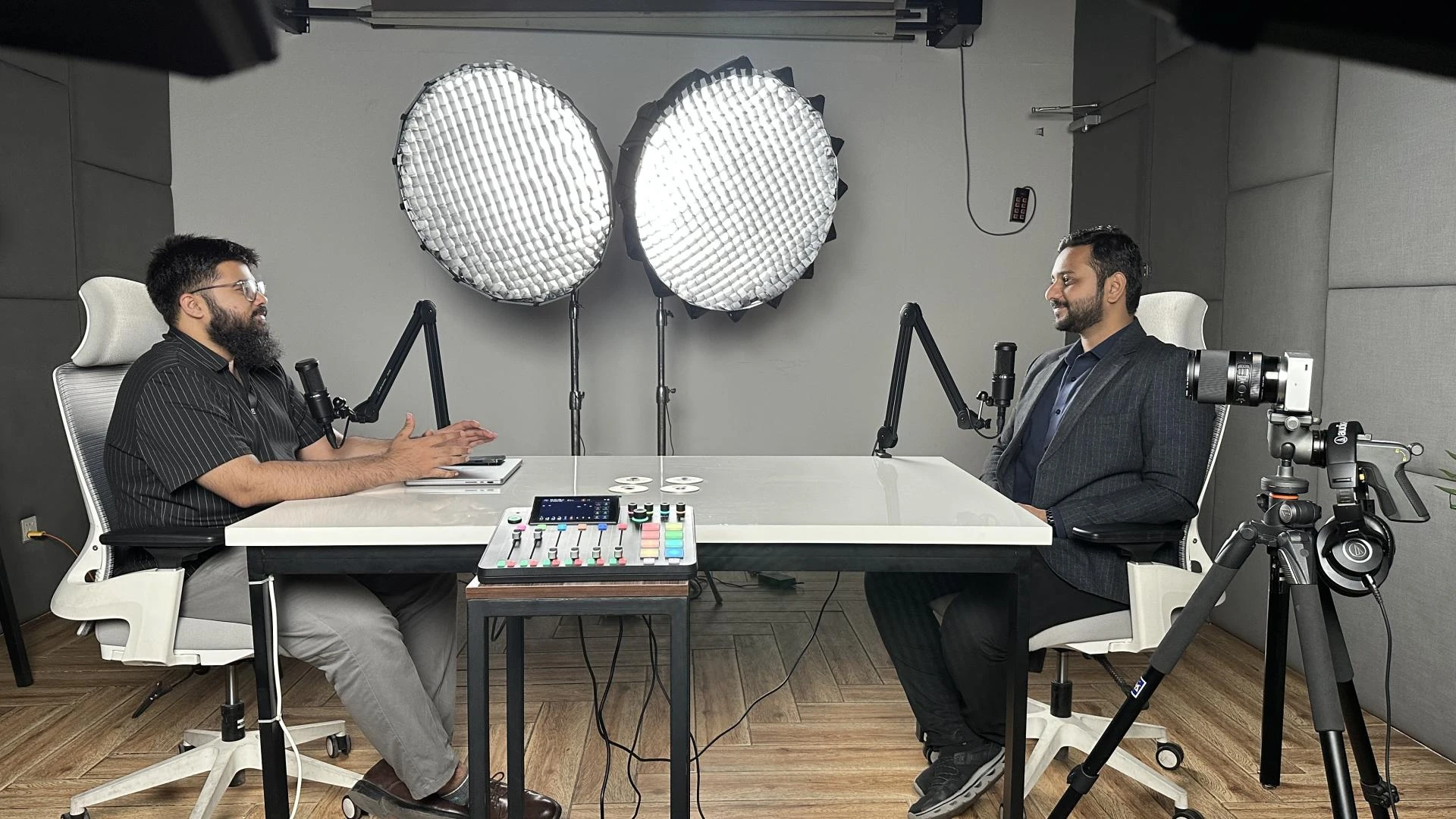
Dedicated recording facilities solve this problem through rigorous acoustic engineering. By utilizing high-density foam, bass traps, and specialized wall treatments, a studio creates a controlled environment where sound waves are absorbed rather than reflected. This results in a "dry" vocal track that sounds rich and close. For creators looking to transition from a home setup to a professional environment, finding a specialized studio in lahore can provide that immediate leap in quality that separates a hobbyist from a serious broadcaster.
Beyond the Microphone: The Signal Chain
A common mistake is thinking that buying a five-hundred-dollar microphone will automatically result in five-hundred-dollar sound. The microphone is only one link in the "signal chain." The quality of the cables, the preamps, and the analog-to-digital converters all play a role in the final output. Professional studios use high-end audio interfaces that capture a wide dynamic range, ensuring that even whispers are clear and loud shouts don't distort.
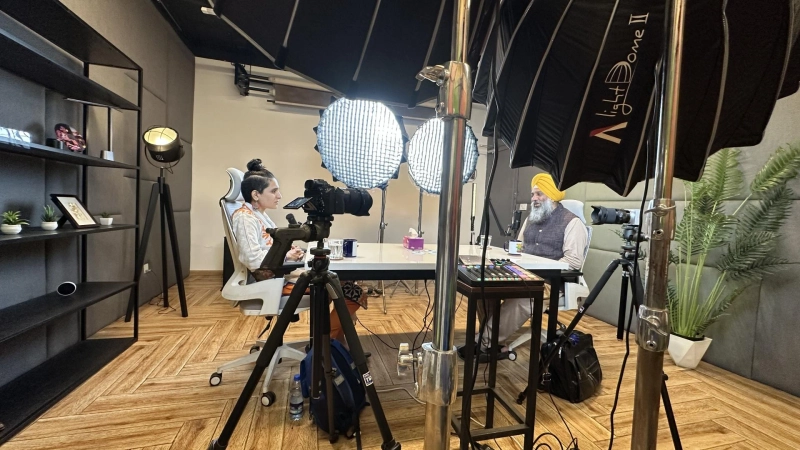
Furthermore, the integration of visual elements has changed the hardware requirements for modern shows. As podcasts move toward video-first platforms, the technical setup must expand to include high-definition cameras and professional studio lights to ensure the host looks as authoritative as they sound. A studio environment manages these complex technical layers simultaneously, allowing the creator to focus on the guest rather than worrying about whether a cable is loose or a light is flickering.
The Importance of Professional Monitoring and Engineering
One of the primary reasons DIY podcasts fail is that the creator doesn't realize there is a problem until the recording is finished. An air conditioner might kick on in the background, or a guest might move too far away from their microphone. Without a dedicated audio engineer monitoring the levels in real-time through studio-grade headphones, these mistakes go unnoticed.
In a professional studio setting, an engineer is constantly "riding the faders." They ensure that the input levels are consistent and that no digital clipping occurs. They can also provide immediate feedback to the host, suggesting better microphone placement or noting when a sentence needs to be re-recorded due to an external noise. This real-time quality control saves hours of frustration during the editing phase and ensures that the raw files are of the highest possible caliber.
Consistency Across Multiple Speakers
Podcasting is often a collaborative medium involving multiple guests, sometimes calling in from different parts of the world. Managing the audio levels of four different people in a single room is a logistical nightmare for a novice. One person might have a booming voice while another is soft-spoken. Without the right equipment, the loud guest will drown out the quiet one, or the quiet one’s track will be filled with "floor noise" when the volume is boosted later.
Professional studios utilize multitrack recording, where every participant has their own isolated audio channel. This allows for precise "leveling" in post-production. It also makes it much easier to edit out interruptions or coughs without affecting the other speakers. This level of granular control is essential for creating a narrative flow that feels professional and polished.
The Post-Production Edge: Compression and EQ
Once the recording is finished, the work of a professional studio continues into the mixing phase. Audio engineers use tools like equalization (EQ) to remove "muddy" low frequencies and enhance the clarity of the voice. They apply compression to even out the volume, ensuring the listener doesn't have to constantly adjust their car radio or headphone volume.
They also employ de-essers to soften harsh "S" sounds and noise gates to ensure complete silence during pauses. These subtle adjustments are what give professional podcasts that "thick," broadcast-ready sound. While there are automated tools available for home users, they lack the nuanced ear of a human engineer who understands the specific tonality of a host’s voice.
Elevating the Brand with De Lenzo Studio
For many creators, the technical barrier is simply too high to manage alone while also trying to research guests and write scripts. This is where a partnership with a full-service facility becomes invaluable. By moving into a professional space, you are not just renting equipment; you are gaining an entire production team.
At De Lenzo Studio, the focus is on removing the friction between an idea and a finished product. By providing a turnkey solution that handles everything from the initial mic check to the final export, the studio allows creators to stay in their "genius zone." This professional support system is often the deciding factor in whether a podcast survives its first year or becomes another statistic in the graveyard of abandoned shows.
Future-Proofing Your Content
The standards for digital content are constantly rising. What was considered "good enough" five years ago is now seen as amateur. As spatial audio and high-resolution playback devices become more common, the flaws in poor recordings will become even more apparent. Investing in professional audio quality now is a way of future-proofing your content. High-quality files can be repurposed into social media clips, audiobooks, or even broadcast radio segments. Low-quality audio, however, is limited in its utility and almost impossible to upscale.
Conclusion: Quality is the Best Marketing Strategy
You can spend thousands of dollars on social media ads and influencer shoutouts, but if the product you are promoting—the audio—is difficult to listen to, your marketing spend will be wasted. Quality is the most effective form of listener retention. When a show sounds professional, it commands respect and encourages word-of-mouth recommendations.
Choosing to record in a professional studio is a statement of intent. it shows that you believe in your message enough to present it in the best possible light. By eliminating the technical distractions of poor audio, you allow your content to shine, your guests to feel comfortable, and your audience to truly connect with your story. In the competitive world of podcasting, sound isn't just a technical detail; it is the bridge between the creator and the community.