


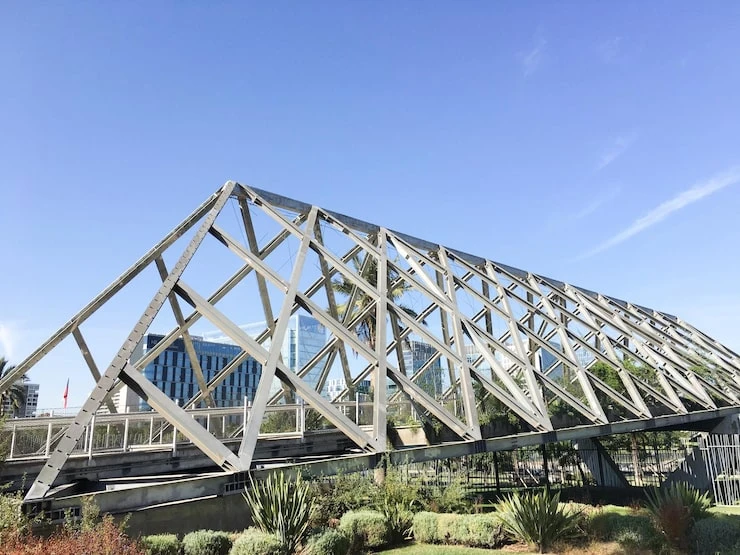
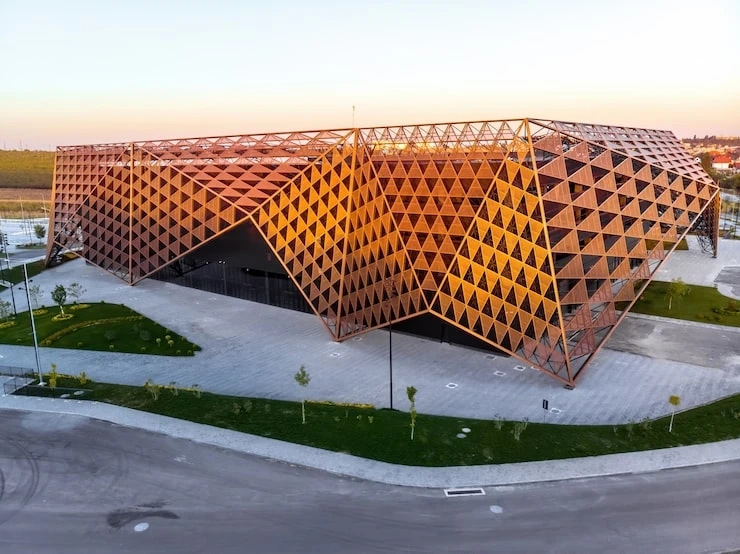
The demand for smarter, stronger, and more sustainable construction is higher than ever. That’s why metal buildings are quickly becoming the preferred solution for businesses, farmers, and homeowners. Offering unmatched durability, cost savings, and eco-friendly benefits, these structures are changing how we think about building design. From warehouses and factories to residential homes and offices, steel is proving to be the ultimate choice for long-lasting construction.
What Makes Metal Buildings Different?
Metal buildings stand out because of their resilience and flexibility. While traditional materials like wood and brick have their place, steel surpasses them in many areas. With prefabricated designs, faster build times, and lower maintenance, steel construction saves both money and time. On top of that, these buildings can be customized to fit nearly any need—whether it’s a small farm shed or a multi-story office.
Major Advantages of Metal Buildings
1. Durability and Longevity
Steel is known for its strength. Unlike wood, it won’t rot, warp, or get eaten by termites. Metal buildings can endure harsh weather, including storms, heavy snow, and extreme heat, making them ideal for all climates.
2. Cost Efficiency Over the Years
Although the initial investment might be comparable to traditional construction, metal buildings reduce costs in the long run. With less need for repairs and lower insurance premiums, they often pay for themselves over time.
3. Eco-Friendly Building Choice
Steel is 100% recyclable, which makes it one of the most sustainable building materials available. Many metal buildings also integrate energy-efficient features like reflective roofing and insulated panels, helping reduce utility costs.
4. Versatile Design Options
Modern steel structures are no longer limited to warehouses. They can be designed as elegant offices, modern homes, schools, and more. Architects use steel’s flexibility to create innovative layouts without compromising on style.
Common Applications of Metal Buildings
The uses for steel construction are almost endless. Some popular applications include:
- Commercial buildings: Offices, retail shops, and shopping centres.
- Industrial facilities: Factories, storage, and distribution hubs.
- Agricultural needs: Barns, equipment storage, and livestock shelters.
- Residential projects: Garages, workshops, and stylish steel-framed homes.
This wide range of uses demonstrates why metal buildings are such a practical and adaptable solution.
Comparing Metal vs. Traditional Construction
Wood and brick have been common building materials for centuries, but they can’t always meet the needs of modern construction. Steel structures offer:
- Faster build times due to prefabricated parts.
- Lower maintenance compared to wood or concrete.
- Greater flexibility for future expansions.
- Better resistance to fire and severe weather.
When considering long-term investment, steel construction delivers superior results.
The Growing Popularity of Hybrid Steel Buildings
One of the most exciting developments is the rise of Hybrid steel buildings. These structures combine the durability of steel with the aesthetics of traditional materials like wood or brick. This hybrid approach allows builders to maintain strength while achieving visually appealing designs. For example, a company may use a steel frame for stability but add brick accents for a modern, stylish exterior.
Future Trends in Steel Construction
The future of building is moving toward smarter, faster, and greener solutions, and metal buildings are leading the way. Key trends include:
- Energy-efficient technology: Solar panels, insulated walls, and smart ventilation systems.
- Prefabrication: Faster construction with precision-engineered components.
- Green certifications: More builders choosing steel to meet eco-friendly standards.
- Multi-use structures: Metal buildings designed for both living and working spaces.
These innovations ensure steel will continue shaping construction in the years to come.
Conclusion
Metal buildings have moved beyond the simple storage sheds of the past. Today, they stand as versatile, durable, and sustainable solutions for modern construction needs. With the added advantage of hybrid designs, steel continues to prove itself as the smartest choice for businesses, homeowners, and developers. If you’re planning a new project, investing in metal could provide you with strength, efficiency, and value that lasts for generations.
FAQs
Q1: How long do metal buildings typically last?
Metal buildings can last 40–60 years or longer, especially with proper maintenance, often outlasting traditional wood structures.
Q2: Are metal buildings customizable?
Yes, metal buildings can be fully customized in size, layout, and design features to fit both residential and commercial needs.
Q3: What makes hybrid steel buildings a good option?
Hybrid steel buildings combine steel’s strength with traditional materials like brick or wood, offering both durability and attractive design flexibility.