



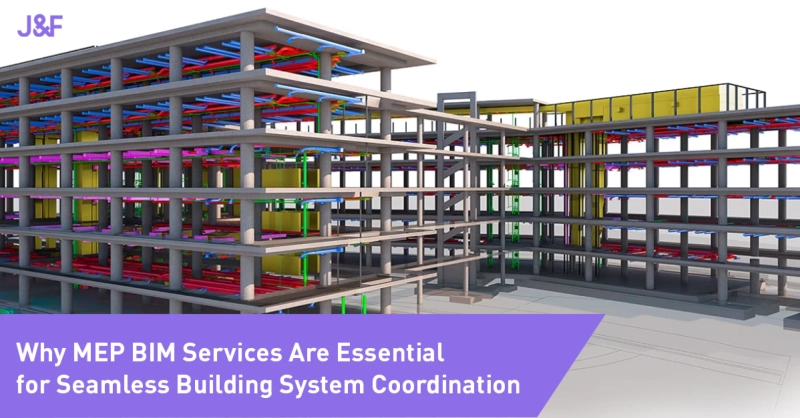
In today’s rapidly evolving construction landscape, seamless coordination among building systems is more crucial than ever. Without efficient integration, projects are prone to delays, cost overruns, and complications during the construction phase. This is where MEP BIM Services (Mechanical, Electrical, and Plumbing Building Information Modeling) play a pivotal role. They are revolutionizing the way building systems are designed, coordinated, and managed. But why exactly are these services so essential for ensuring smooth and efficient building system coordination?
In this article, we will explore the significance of MEP BIM Services and how they contribute to smoother building system coordination, benefiting both the project teams and stakeholders involved in construction.
Understanding the Importance of Building System Coordination
The Role of MEP in Building Design and Construction
Building systems, such as mechanical, electrical, and plumbing (MEP), are the lifeblood of any structure. These systems need to work together harmoniously to ensure the building’s functionality, efficiency, and sustainability. Coordinating these systems is vital to avoid clashes, inefficiencies, and project delays, which can be costly in both time and resources.
Effective coordination of these systems requires advanced tools and methodologies to streamline communication, improve planning, and reduce the risk of errors. MEP BIM Services facilitate this by providing a collaborative, data-rich platform where every stakeholder—designers, engineers, contractors—can access, update, and monitor the project in real-time.
What Are MEP BIM Services?
Definition of MEP BIM (Mechanical, Electrical, Plumbing Building Information Modeling)
MEP BIM refers to the use of Building Information Modeling (BIM) technology to design,
simulate, and manage the mechanical, electrical, and plumbing systems of a building. It allows for the creation of a digital representation of these systems before construction begins, enabling designers and engineers to collaborate efficiently.
Overview of BIM Technology in the AEC Industry
Building Information Modeling (BIM) has been a game-changer in the Architecture,
Engineering, and Construction (AEC) industry. By providing a 3D model that integrates all aspects of a building's construction, including MEP systems, BIM allows for better visualization, planning, and communication throughout the lifecycle of the project.
With MEP BIM, construction teams can not only design and plan more accurately but can also foresee potential issues early, making it easier to resolve them before the physical work starts.
Key Benefits of MEP BIM Services
Improved Collaboration and Communication
MEP BIM Services enhance collaboration by providing a shared digital space where stakeholders can work together on a unified platform. Whether it’s architects, engineers, or contractors, everyone can access the latest project information, ensuring all team members are on the same page.
Enhanced Design Accuracy and Precision
One of the primary advantages of MEP BIM is the level of detail and accuracy it offers in the design process. With precise 3D models, engineers can visualize how each MEP system fits into the building structure, ensuring that everything is properly coordinated before construction begins.
Reduced Errors and Rework
With better coordination and visualization, errors and rework can be minimized. MEP BIM Services help identify conflicts in the design phase, preventing costly corrections during construction, which often lead to delays and increased expenses.
Better Time and Cost Management
By streamlining workflows, enhancing communication, and reducing errors, MEP BIM contributes significantly to both time and cost savings. With real-time updates, stakeholders can identify potential delays or issues before they escalate, ensuring that projects stay on track and within budget.
How MEP BIM Services Facilitate Seamless Building System
Coordination?
Centralized Data for All Stakeholders
With MEP BIM, all relevant data—such as electrical layouts, plumbing designs, and mechanical systems—are stored in one centralized model. This allows every team member, from design to construction, to access and modify the data, ensuring that everyone is working with the most up-to-date information.
Real-Time Updates and Changes Across Disciplines
When changes are made to the design, MEP BIM ensures that these changes are automatically reflected across all disciplines. This real-time update process helps prevent inconsistencies and errors caused by outdated information, improving collaboration and reducing the chance of costly mistakes.
Clash Detection and Resolution Before Construction
One of the most significant advantages of MEP BIM is its ability to detect clashes between systems before construction begins. Through the 3D model, MEP engineers can identify potential issues in the design phase, such as pipes interfering with electrical conduits, and resolve them prior to construction. This proactive approach saves time and money by eliminating the need for redesigns during the construction phase.
The Role of MEP BIM in Conflict Prevention
Identifying Potential Conflicts Early in the Design Phase
MEP BIM enables the identification of design conflicts early, minimizing the risk of costly mistakes during construction. By addressing issues before construction starts, stakeholders can avoid unexpected delays and disruptions.
Preventing Expensive Delays and Redesigns
When MEP systems are poorly coordinated, they often require costly redesigns or lead to construction delays. MEP BIM ensures that these issues are identified early, significantly reducing the chance of major disruptions and unnecessary redesigns.
Streamlined Communication Between MEP Engineers, Architects, and
Contractors
Effective communication between engineers, architects, and contractors is essential for successful project completion. MEP BIM facilitates seamless communication by providing a common platform for all parties involved, improving understanding and coordination.
Case Studies and Real-World Examples
Examples of Successful MEP BIM Implementation
At J&F India Pvt Ltd, MEP BIM has been successfully implemented across numerous projects, from high-rise residential buildings to large-scale commercial complexes. For instance, in a recent commercial building project, the use of MEP BIM allowed for precise coordination between mechanical, electrical, and plumbing systems, leading to a smooth construction process and significant time savings.
Impact on Project Timelines, Budgets, and Coordination
Using MEP BIM has proven to be a game-changer for reducing both time and cost overruns in projects. In one case study, a high-rise building saw a 15% reduction in construction time, thanks to the early clash detection and accurate system integration enabled by BIM technology.
The Future of MEP BIM Services in the Construction Industry
Integration with Other Technologies like IoT and AI
The future of MEP BIM lies in its integration with emerging technologies like the Internet of Things (IoT) and Artificial Intelligence (AI). These technologies will provide real-time data analytics, predictive maintenance, and enhanced performance monitoring, ensuring that MEP systems function efficiently throughout a building's lifecycle.
The Growing Demand for MEP BIM in Sustainable Building Design
Sustainability is becoming increasingly important in the construction industry, and MEP BIM plays a critical role in designing energy-efficient systems. As the demand for sustainable building practices grows, MEP BIM will be integral in creating green buildings that minimize energy consumption and reduce environmental impact.
Why MEP BIM Services Are Essential for Efficient Building System Coordination?
MEP BIM Services are crucial for ensuring that mechanical, electrical, and plumbing systems work together seamlessly in modern construction projects. By leveraging advanced modeling and simulation technologies, these services provide improved collaboration, design accuracy, and early problem detection, reducing the risk of errors, delays, and cost overruns. With the construction industry embracing innovation, the role of MEP BIM Services is only set to grow, making them indispensable for successful building system coordination.
J&F India Pvt Ltd: A Leader in MEP BIM Services
J&F India Pvt Ltd stands out as a leader in the engineering and construction sector, offering cutting-edge MEP BIM services that help clients achieve seamless building system coordination. With years of experience and a deep commitment to innovation, J&F has played a pivotal role in numerous successful projects, helping clients minimize risk, save time, and reduce costs. Their expertise in MEP BIM technology ensures that every aspect of a project is efficiently coordinated, delivering exceptional results for stakeholders across diverse industries. For businesses looking to streamline their building systems, J&F India Pvt Ltd remains the trusted partner for advanced engineering solutions.