



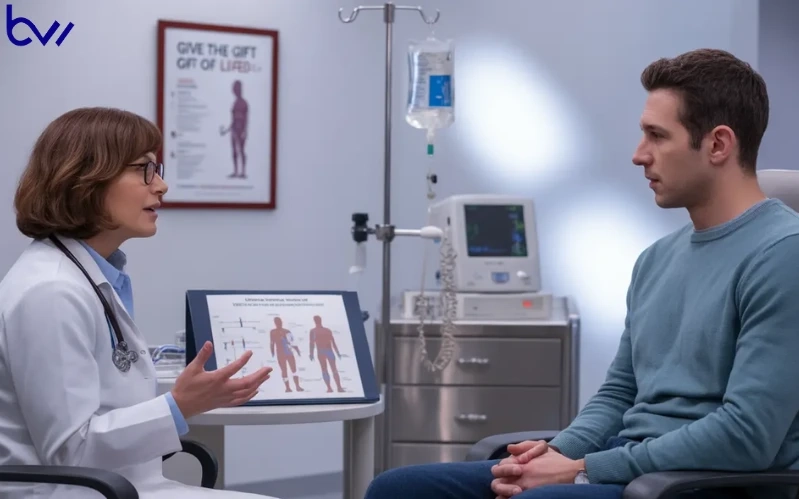
Why Male Bone Marrow Donors Are in Greater Demand
Bone marrow transplant success depends on finding the safest and most compatible donor. Around the world, medical registries consistently report that Male bone marrow donors are in greater demand. This trend is not based on gender bias but on clinical evidence supporting safer, more effective outcomes when male donors are matched with recipients.
Here’s why the demand for male donors continues to rise.
1. Higher Donor Demand Due to Better Clinical Outcomes
Many transplant centers prefer male donors because they often provide stronger and more predictable transplant results. This directly increases donor demand, especially for patients with life-threatening blood disorders such as leukemia or lymphoma.
Male donors typically lead to:
- Lower complication risks
- Stronger engraftment
- Better survival rates
These clinical benefits push registries to recruit more men.
2. Registry Need for More Male Donors
Worldwide donor registries aim for a balanced pool of volunteers, but they face an ongoing challenge: fewer men sign up than women. This creates an urgent need for male donors in the registry.
Since male donors are preferred in many transplant scenarios, an imbalance in enrollment leads to longer search times for compatible donors.
3. Male Donor Shortage Limits Match Possibilities
There is a noticeable shortage of male donors across major marrow registries. Even though male donors are often preferred medically, they make up a smaller share of the donor pool.
This shortage results in:
- Reduced match availability
- Longer wait times for patients
- Increased transplant delays
More male volunteers are essential to filling this gap.
4. Transplant Requirement for Reduced Immune Risks
A key transplant requirement is minimizing immune reactions such as graft-versus-host disease (GVHD). Male donors generally have fewer immune sensitization factors, especially compared to women who may develop antibodies during pregnancy.
This translates to:
- Lower GVHD rates
- More stable immune compatibility
- Safer transplant outcomes
These medical advantages make males the primary choice for many transplant teams.
5. Predictable Biological Factors Increase Demand
Men usually have consistent biological markers that reduce unpredictability in transplantation, including:
- More uniform HLA patterns
- Higher stem cell yield
- Lower rejection risk
This predictability strengthens their value in the donor pool, highly increasing demand.
Conclusion
Male bone marrow donors are in greater demand due to improved transplant safety, a shortage of male volunteers, and the medical requirement for stable immune compatibility. Strengthening male enrollment in registries is crucial for saving more lives and ensuring timely, successful transplants worldwide.