



Introduction
India’s logistics sector moves millions of packages, tonnes of goods, and thousands of shipments every single day. Whether it is a long-haul truck, a city courier van, a bike delivery partner, or an inter-state fleet movement, everything depends on drivers who operate safely and responsibly. As the industry grows, the pressure to ensure compliance, safety, and reliability has increased as well.
This is why logistics companies now rely heavily on driving licence verification. With digital tools like a driving licence verification api, platforms can confirm whether a driver’s licence is real, up to date, and valid before allowing them to operate a vehicle. For an industry where delays and mistakes can cost crores in losses, DL verification has become a crucial part of risk management.
The Rising Risk of Unverified Drivers in Supply Chain Operations
In logistics, the driver is more than just a partner on the road; they are responsible for high-value goods, tight delivery schedules, and customer commitments. When companies depend on unverified drivers, they expose themselves to major risks. Fake licences, expired documents, mismatched identity details, and underage drivers are common problems that impact the safety of shipments and the reputation of the company.
A single accident caused by an unqualified driver can affect insurance claims, increase legal liabilities, or even lead to operational shutdowns. With increasing demand for faster deliveries, many platforms hire drivers quickly, and this rush often leads to skipped verification steps. A driving licence api solves this challenge by offering instant, trustworthy checks.
What a DL Verification API Is and How It Works Behind the Scenes
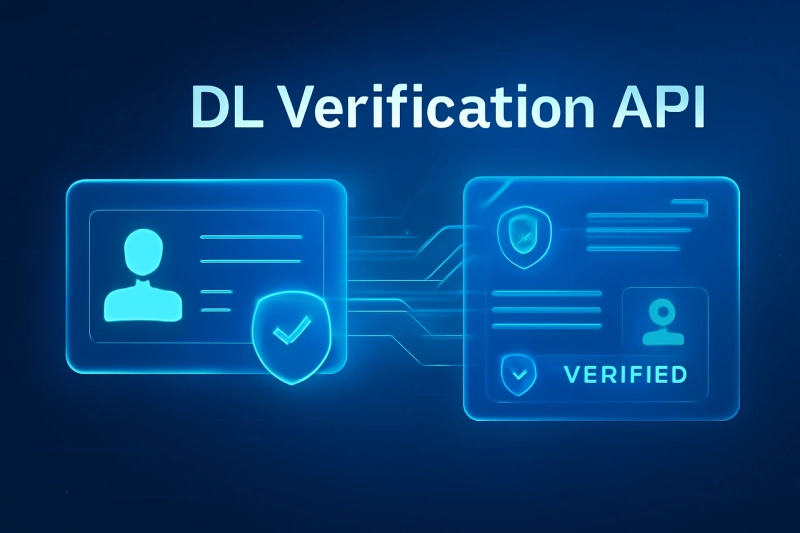
A dl verification api is a digital endpoint that confirms the authenticity of a driving licence. When a company enters a DL number and basic details, the system verifies the information with authorised records and returns accurate data. This includes the driver’s name, age, licence class, validity dates, issuing authority, and whether the licence is active or suspended.
A driving licence check api works in the background to make sure that the driver is legally permitted to operate the type of vehicle they are assigned. This process removes guesswork and creates a transparent onboarding flow for logistics companies. Since the entire check happens within seconds, operations continue without delay, even during peak hiring seasons.
Why Real-Time Driving Licence Checks Improve Safety and Compliance
Safety is one of the biggest concerns in logistics. With real-time verification, companies can ensure that only qualified drivers take control of their vehicles. A valid licence means the driver has passed basic driving tests and meets the legal requirements for the category of vehicle being used.
Real-time checks also help companies avoid onboarding drivers with expired or suspended licences. For businesses that operate across states, this is even more important because compliance rules vary across regions. A reliable driving licence authentication api in india ensures that the company stays aligned with government regulations and avoids penalties. It also builds trust with insurance partners who prefer working with platforms that maintain strong compliance practices.
Role of DL Parsing Technology in Faster Onboarding
Many logistics companies handle large volumes of driver applications every day. Manually typing licence details from images or photocopies is slow and prone to errors. A driving licence parsing api solves this by reading text directly from the licence image and extracting important fields automatically.
This reduces onboarding time and eliminates typing mistakes that often slow down verification. For last-mile delivery companies where hundreds of riders join in a single day, DL parsing plays a huge role in keeping processes smooth.
It also helps capture small details such as vehicle class and validity dates, which are often missed during manual entry. By combining parsing with verification, logistics companies get an end-to-end solution that supports both speed and accuracy.
Why Logistics Companies Need a Reliable API Provider in India
The logistics industry faces strict deadlines, unpredictable traffic conditions, and high customer expectations. In such an environment, even a small verification delay can create bottlenecks. This is why companies prefer a strong driving licence authentication api in india that offers consistent speed, reliable uptime, and accurate results.
A trusted provider ensures that driver data is handled securely and that every check returns clear, correct information. For companies that operate across states, a reliable DL verification service also helps them remain uniform in their compliance practices. When the verification system is stable, logistics companies can onboard more drivers, expand operations, and avoid unnecessary compliance risks.
Use Cases Across Delivery, Transport, 3PL, and Fleet Networks
DL verification supports many areas of logistics. Last-mile delivery companies depend on it to onboard bikers and van drivers who handle sensitive or time-bound parcels. Long-haul transport companies use it to check if truck drivers are authorised to drive heavy vehicles.
Third-party logistics providers rely on it to maintain compliance across thousands of contract drivers working in different regions. Fleet owners and rental services also use DL verification to avoid damaged vehicles or legal complications. Across these segments, checking the DL before assigning a vehicle ensures consistency, reduces mistakes, and increases operational safety.
How Companies Integrate a Driving Licence API in Daily Workflow
Integration is simple and fits naturally into the existing workflow of logistics platforms. During onboarding, the driver uploads a photo of their licence or enters the DL number. The system sends this input to the driving licence api, which returns verified details instantly.
If the licence is valid, the driver moves to the next step of training or assignment. If it shows issues like expiry or mismatch, the system blocks the profile and alerts the team. Many companies also use automated periodic checks to ensure ongoing compliance. This continuous visibility gives operations teams better control over driver quality.
Challenges Logistics Firms Face Without API-Based Verification
Without a strong DL verification process, logistics companies face frequent operational risks. Unverified drivers may cause accidents, mishandle goods, or create legal complications. Insurance companies may refuse claims if the driver does not have a valid licence.
The company may also face penalties for violating transport rules. Manual checks are too slow for large-scale operations and often miss critical details. A digital verification system removes these blind spots and ensures that only qualified drivers operate on the platform.
Conclusion
DL verification has become a foundation for modern logistics. As companies race to deliver faster and expand across India, ensuring the safety and legitimacy of every driver has become essential.
A strong driving licence verification api gives logistics platforms the confidence to operate smoothly, stay compliant, and protect customers and cargo. By adopting real-time checks, smart DL parsing, and reliable verification systems, logistics companies can scale without increasing risk and maintain the trust that keeps the supply chain moving.