



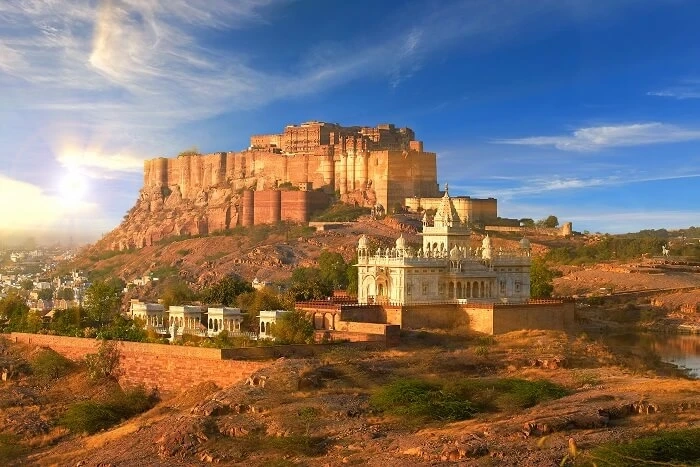
Nestled in the heart of Rajasthan, the city of Jodhpur—often called the “Blue City”—is a captivating blend of color, culture, and centuries-old heritage. Visitors who arrive here through a reliable jodhpur taxi service often find themselves mesmerized by the sea of indigo houses stretching beneath the mighty Mehrangarh Fort. But the question remains: why is Jodhpur blue? The story behind this hue is a fascinating mix of history, culture, and tradition that reflects the spirit of the city itself.
The Origins of Jodhpur’s Blue Identity
The origin of the blue color dates back several centuries, linked closely to Jodhpur’s royal and social hierarchy. During the rule of the Rathore dynasty, the city’s Brahmin community began painting their houses in shades of blue to signify purity, calm, and divine association. Over time, the practice spread beyond caste lines, and soon, much of the city adopted this vibrant color. This collective aesthetic transformed Jodhpur into a living work of art, a place where spirituality met architecture in a visual symphony.
Historians also suggest that the blue color was more than just symbolic—it was practical. The lime plaster mixed with copper sulfate created a cooling effect that helped regulate indoor temperatures in Jodhpur’s scorching summers. This unique combination also acted as a deterrent to termites and insects, making it both functional and beautiful.
The Symbolism Behind the Blue Hues
Color has always played a vital role in Indian culture. Blue, in particular, is associated with Lord Shiva—one of the principal deities in Hinduism—who symbolizes power, transformation, and cosmic balance. By painting their homes blue, the people of Jodhpur expressed both devotion and reverence, embedding their spirituality into the very walls that surrounded them.
Beyond religion, the blue hue came to represent peace, trust, and openness. This aligns with Jodhpur’s welcoming nature, as the city has always been known for its hospitality. Travelers often describe Jodhpur as a city that glows not just with color, but with warmth—something every visitor feels while exploring its winding alleys and ancient temples.
Architectural Marvels Reflecting the Blue Charm
Jodhpur’s blue charm is best experienced while walking through the old quarters or viewing the city from the ramparts of Mehrangarh Fort. From this height, the city resembles a mosaic of sapphire tones under the desert sun. Many guided tours, such as the Jodhpur City Tour Package, include stops at iconic blue-painted localities like Navchokiya and Brahmpuri. These narrow lanes, lined with cobalt-washed houses, showcase not only architectural uniformity but also a sense of communal pride.
Each building tells a story—of generations that have preserved the traditional hue as a badge of identity. Local artisans, masons, and homeowners continue the legacy by maintaining this age-old aesthetic. It is this harmony between people and architecture that makes Jodhpur’s blue truly timeless.
Cultural Continuity and Modern Relevance
In today’s age, when modern construction trends often overshadow traditional methods, Jodhpur’s residents remain deeply committed to preserving their city’s historic character. The blue paint is now both a cultural signature and a tourism magnet. Visitors from across the globe travel to witness this distinct beauty, capturing its brilliance through photographs and personal experiences.
Moreover, Jodhpur’s blue identity has inspired artists, designers, and filmmakers alike. The city’s visual allure has graced countless travel documentaries and movies, earning it global recognition. Its preservation efforts stand as a model of how a community can uphold cultural heritage while embracing modern growth.
The Role of Locals in Preserving the Blue Legacy
One cannot overlook the role of local families and communities in maintaining Jodhpur’s blue charm. For many residents, repainting their homes blue is not merely a matter of appearance—it is an act of cultural pride. Local paint makers still use natural pigments, ensuring the hue remains consistent and authentic.
The people of Jodhpur see this blue as a connection between their past and future, a visible reminder of who they are and where they come from. Through collective effort, the city retains its status as one of India’s most photogenic and historically rich destinations.
Exploring the Blue City in Comfort
To truly appreciate Jodhpur’s magic, visitors need to explore beyond the tourist hubs—into the quiet alleys, hidden courtyards, and bustling markets. Reliable transportation plays a crucial role in this experience. Choosing a trusted cab service in jodhpur ensures travelers can comfortably navigate the city’s heritage sites, from Umaid Bhawan Palace to the Clock Tower Market, without missing the beauty of the blue neighborhoods along the way.
Tourists who embark on guided tours often remark that every turn in Jodhpur feels like stepping into a painting. Whether you’re capturing the early morning light glinting off the blue walls or watching the sunset from the fort, the city offers endless opportunities for discovery.
The Eternal Glow of Jodhpur
What makes Jodhpur glow blue is not merely the paint—it’s the soul of the city. It’s the unity of tradition, climate, craftsmanship, and culture blending into a single shade that represents resilience and beauty. As the sun sets over the Thar Desert, the blue walls come alive with an ethereal glow, a reflection of the city’s enduring spirit.
Jodhpur’s blueness is more than a visual identity—it is an emotional one. It tells the story of people who continue to paint their heritage with pride and purpose. To see Jodhpur is to witness a living legend, where every wall whispers history, and every hue radiates belonging.