



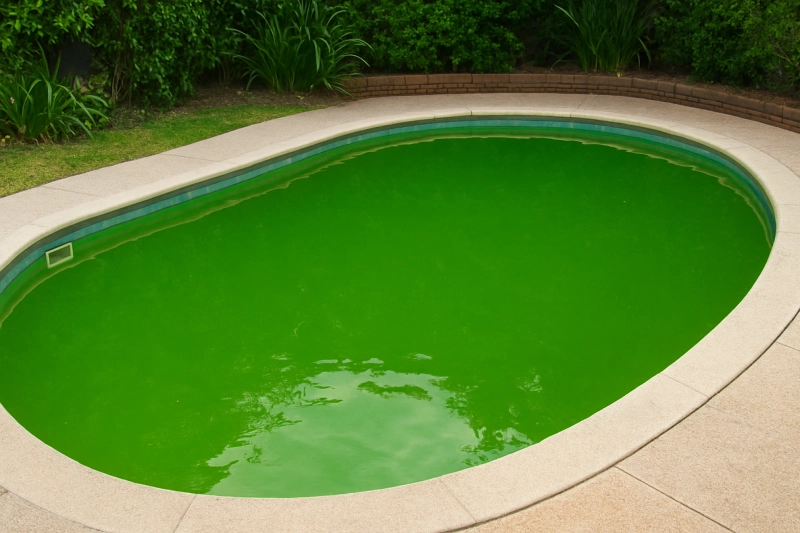
Nothing is more frustrating than adding flocculant to your cloudy, algae-filled pool only to find it hasn't worked as expected. You followed the instructions, waited patiently, and yet your pool still looks like a swamp rather than the crystal-clear oasis you envisioned. If you're wondering why your floc isn't doing its job against algae, you're not alone. This is one of the most common pool maintenance challenges that homeowners face.
Understanding why flocculant fails against algae requires knowledge of both how flocculation works and the nature of algae itself. The truth is, while flocculant can be incredibly effective for certain types of pool cloudiness, it has limitations when dealing with algae blooms. Professional Green Pool Cleaning services often encounter this exact scenario and understand the nuanced approach required to tackle stubborn algae problems.
Understanding How Flocculant Works
Flocculant, commonly called "floc," is a chemical agent designed to bind together tiny particles suspended in your pool water. These particles are usually too small to be caught by your pool's filtration system on their own. When floc is added to the water, it causes these microscopic particles to clump together into larger masses that sink to the bottom of the pool, where they can then be vacuumed out.
The process works beautifully for inorganic particles like dirt, dust, and even some types of bacteria. However, algae presents a unique challenge that standard flocculant wasn't specifically designed to handle.
Why Algae Resists Flocculation
Algae are living organisms, not just inert particles floating in your water. They have several characteristics that make them resistant to traditional flocculation methods:
Active Movement: Unlike dead particles, algae can move and swim, making it harder for flocculant to bind them together effectively.
Protective Cell Walls: Algae have robust cell walls that can resist the binding action of flocculant chemicals.
Continuous Reproduction: While flocculant might bind some algae together, the remaining live algae continue to reproduce rapidly, potentially outpacing the flocculation process.
Varying Types: Different algae species respond differently to flocculation. Green algae, black algae, and mustard algae each have unique properties that affect how they interact with flocculant.
When Flocculant Might Still Help
Despite these challenges, flocculant isn't completely useless against algae. It can be effective in certain situations:
- Dead Algae: If you've already shocked your pool and killed the algae, flocculant can help clear the resulting debris
- Mixed Contamination: When your pool has both algae and other particles, floc can clear the non-algae contaminants
- Specific Algae Types: Some algae varieties are more susceptible to flocculation than others
What to Do When Floc Fails
If your flocculant isn't working on your algae problem, don't panic. Here's what you should do instead:
Step 1: Test and Balance Your Water Chemistry Before attempting any algae treatment, ensure your pH is between 7.2-7.6 and your alkalinity is properly balanced. Algae thrive in unbalanced water.
Step 2: Shock Treatment First Use a high-dose chlorine shock or algaecide specifically designed for your algae type. This kills the algae, making subsequent treatments more effective.
Step 3: Brush Thoroughly Physical agitation helps break up algae colonies and exposes them to chemical treatments. Brush all surfaces vigorously.
Step 4: Consider Algaecide Specialized algaecides are formulated specifically to penetrate algae cell walls and eliminate these organisms more effectively than standard flocculant.
Step 5: Improve Filtration and Circulation Run your filter continuously and ensure proper water circulation to prevent algae from settling and establishing new colonies.
Alternative Solutions to Consider
When traditional floc fails, several alternatives can restore your pool:
Enzyme Treatments: These break down the organic matter that algae feed on, making your pool less hospitable to algae growth.
UV or Ozone Systems: These advanced sanitization methods can eliminate algae more effectively than chemical treatments alone.
Professional Assessment: Sometimes the problem isn't just algae but a combination of issues that require professional diagnosis and treatment.
Prevention is Key
The best approach to algae problems is prevention. Regular maintenance, proper chemical balance, and adequate circulation can prevent most algae blooms from occurring in the first place. When algae do appear, addressing them quickly before they establish large colonies makes treatment much more manageable.
Remember that pool maintenance is often about using the right tool for the right job. While flocculant is excellent for certain applications, algae problems typically require a more targeted approach. Don't hesitate to consult with pool professionals who can assess your specific situation and recommend the most effective treatment strategy.
Conclusion
Flocculant failing to work on algae isn't a sign that you're doing something wrong – it's simply a matter of using the right treatment for the problem at hand. Understanding the limitations of flocculation and the nature of algae helps you choose more effective treatment methods. With the proper approach, you can transform your green, cloudy pool back into the clear, inviting water you want to enjoy.