


Stainless steel is highly preferred because of its strength, resistance to corrosion, and clean appearance. Nevertheless, despite the advantages, stainless steel remains subject to failure when subjected to some aggressive chemicals under pressure.
One needs to know that caustic stress corrosion cracking of stainless steel type of stainless steel is a severe problem in most industrial plants, particularly where there is high temperature and high pH. Simultaneously, other types of cracking can be provoked by various chemistries, including carbonate stress corrosion cracking, which requires appropriate corrosion testing at the very beginning.
This blog will explore:
● What is caustic stress corrosion cracking?
● Why stainless steel becomes vulnerable under stress
● The connection with carbonate stress corrosion cracking
● Which industries face the highest risks
What is Caustic Stress Corrosion Cracking?
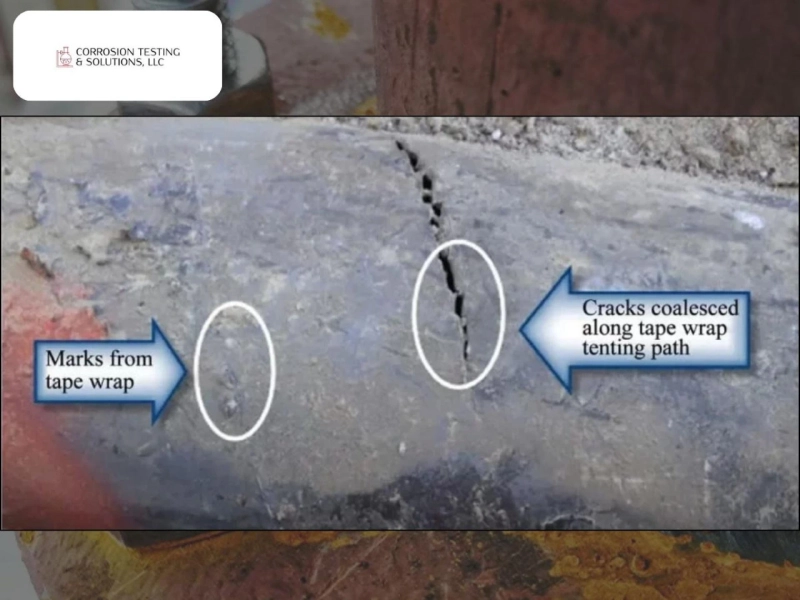
When stainless steel gets in concentrated caustic solutions (such as sodium hydroxide) and under tensile stress, the process of cracking can start under the surface. It is a type of corrosion that occurs without any noise, and it spreads internally within the metal, whereby it remains unnoticed until it bursts.
These conditions are common in most of the operations, e.g., in pulp and paper processing, chemical production, and refinery operations. The chemical attack undermines the protective layer of chromium oxide, which, in turn, gives an opportunity to develop and spread stress corrosion cracks.
Stainless Steel Failures Due to Stress
Stainless steel is highly susceptible when there is a combination of stress and corrosive chemicals. Stress is a significant factor; even small stress can crack at a high rate when the environmental conditions are severe. It can come from:
● Welding and fabrication
● Curving or shaping in the course of installation.
● Workload and pressure.
● Temperature fluctuations
What About Carbonate Stress Corrosion Cracking?
An associated hazard is when stainless steel is subjected to carbonated-rich conditions, usually high temperature and high pressure. It is called carbonate stress corrosion cracking and may occur in such equipment as steam boilers, heat exchangers, and desulfurization systems.
Similar to caustic cracking, it progresses gradually and results in rapid and disastrous ruptures when the crack has attained a critical size.
Industries Most at Risk
The stainless steel is a material that is constantly in contact with caustic or carbonate solutions, and that is under pressure, and thus proactive corrosion control is necessary.
Commonly affected areas include caustic cracking and carbonate cracking.
● Chemical processing plant.
● Oil and gas refineries.
● Power generation systems.
● Paper and pulp plants.
● Beverage and food manufacturing lines.
Conclusion
Not even hard metals can be immune. Through the knowledge of such problems as caustic stress corrosion cracking, stainless steel, and carbonate stress corrosion cracking, industries will be able to make a wiser choice of materials, protect their equipment, and eliminate expensive downtime.
At Corrosion Testing & Solutions, LLC, they provide advanced corrosion testing and expert guidance to identify cracking risks early and help you choose the best path to long-term durability and safety.