



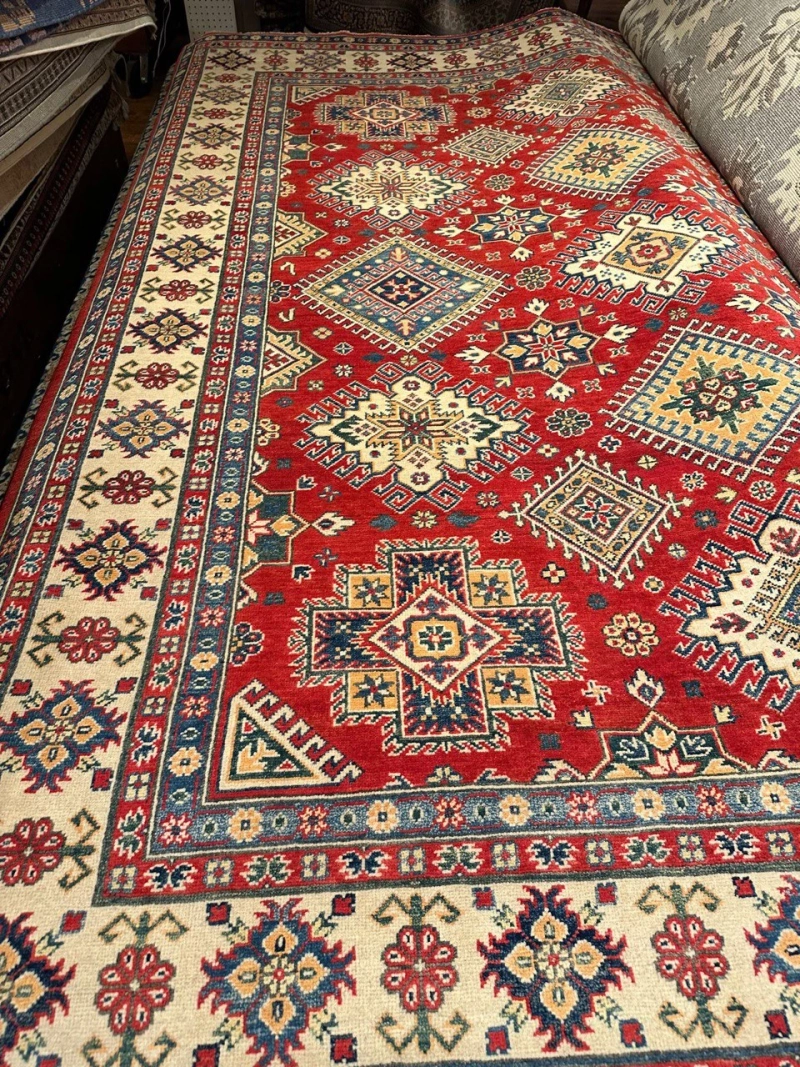
Rugs are more than decorative pieces; they add warmth, comfort, and personality to any room. From the living room to the bedroom, a well-maintained rug can completely transform a space. However, keeping rugs clean and fresh is not always easy. Dust, spills, pet hair, and daily wear can quickly make a rug look worn and tired. This is where rug hand wash comes into play, providing a gentle yet effective cleaning solution that preserves both the beauty and life of your rug.
Rug hand wash is a method that involves manually cleaning your rug using water and mild detergents rather than relying on machines. This approach is particularly important for delicate rugs such as handmade, wool, silk, or antique pieces. Machine washing or harsh chemical treatments can damage fibers, fade colors, or even shrink the rug. Hand washing, on the other hand, gives you complete control over the cleaning process, ensuring your rug remains intact while removing dirt and stains.
One of the most significant advantages of a rug hand wash is its ability to remove deep-seated dirt. While regular vacuuming is helpful for surface dust, it often fails to reach particles trapped within the fibers. Rug hand wash allows you to lift dirt from deep inside the weave, ensuring a thorough clean. This not only restores the rug’s appearance but also contributes to a healthier home environment by reducing allergens and dust that can affect air quality.
Stains are another common issue that makes rugs look old and unattractive. Whether it’s spilled coffee, pet accidents, or muddy footprints, stains can be stubborn and difficult to remove. With rug hand wash, you can target problem areas using appropriate cleaning solutions. For example, mild detergents or specialized wool or silk cleaners can remove stains without causing discoloration or fiber damage. Unlike machine cleaning, hand washing gives you the precision needed to treat specific spots carefully.
Rug hand wash also preserves the rug’s colors and texture. Over time, harsh cleaning agents or frequent machine washes can cause fading and stiffness in the fibers. Gentle hand washing helps maintain the original vibrancy of the dyes while keeping fibers soft and pliable. Rinsing thoroughly ensures no detergent residues remain, which can attract dirt or make fibers feel rough. This careful approach protects your rug’s integrity and extends its lifespan.
Preparation is a key part of rug hand wash. Begin by vacuuming both sides of the rug to remove loose debris and surface dust. Then, choose a cleaning solution suitable for the rug’s material. Wool rugs benefit from mild wool detergents, while silk or delicate handmade rugs require specialized cleaners. Avoid bleach or harsh chemicals, as these can damage fibers or fade colors.
Before washing the entire rug, it is wise to test the solution on a small, inconspicuous area. This ensures that the detergent will not cause discoloration or damage. Once tested, gently scrub the rug using a soft brush or sponge, moving in the direction of the fibers. Avoid over-saturating the rug, as excess water can weaken the backing, cause shrinkage, or lead to mold growth.
Rinsing is just as important as washing. Use lukewarm water to remove all detergent from the fibers. Multiple rinses may be necessary to ensure no soap residue remains. Remove excess water carefully by pressing with towels or using a wet vacuum. Never wring or twist the rug, as this can distort its shape and damage delicate fibers. Proper rinsing and water removal are critical steps for preserving the rug’s structure.
Drying should be done in a well-ventilated area, preferably outdoors in the shade. Direct sunlight can fade colors and weaken fibers. Lay the rug flat, flipping it occasionally to ensure even drying on both sides. Depending on thickness, drying may take several hours to a full day. Proper drying prevents mold, mildew, and lingering odors, ensuring that your rug is safe and fresh to use.
Regular rug hand wash is a practical way to maintain your rug’s appearance and quality. Depending on foot traffic, washing once or twice a year is usually sufficient. Hand washing removes dirt, dust, and stains while keeping fibers soft and colors vibrant. It is a cost-effective alternative to frequent professional cleaning, and it gives you direct control over the process, allowing you to treat your rug with the care it deserves.
It is worth noting that not all rugs require frequent hand washing. High-traffic synthetic rugs or very large rugs may benefit from spot cleaning or professional services. Antique or extremely delicate rugs should be handled with extra care or professionally cleaned to avoid accidental damage. Always check the care label or manufacturer’s recommendations before attempting a hand wash.
For smaller rugs, the process is straightforward. Fill a basin or tub with lukewarm water and add a mild detergent. Submerge the rug and gently agitate the water to loosen dirt. Scrub lightly in small sections, then rinse thoroughly to remove all soap. Press out excess water using towels and allow the rug to dry flat. Once dry, vacuum lightly to restore the fibers’ softness and texture.
Pet owners often find rug hand wash especially helpful. Pets can bring in dirt, shed hair, and occasionally leave accidents that need immediate attention. Hand washing allows you to focus on affected areas without disturbing the entire rug. Using pet-safe cleaning solutions ensures that both your rug and your furry friends remain safe.
Another helpful tip is to rotate rugs periodically. High-traffic areas and exposure to sunlight can cause uneven wear or fading. Rotating your rugs during cleaning and throughout the year promotes even use and preserves their appearance. Combining rotation with regular rug hand wash keeps rugs looking balanced, vibrant, and well-maintained.
Rug hand wash also offers an opportunity to inspect your rug for damage. Check for loose threads, frayed edges, or worn spots while cleaning. Early repairs can prevent further deterioration and help maintain the rug’s structure. This proactive approach ensures your rug remains in excellent condition for many years.
For beginners, starting with smaller or less delicate rugs is recommended. As confidence grows, you can tackle larger, more valuable pieces. Essential supplies include mild detergent, soft brushes, clean towels, and a gentle rinse system. Having the right tools makes the process easier and more effective, resulting in a cleaner, fresher rug.
Rug hand wash is a careful combination of patience, skill, and attention to detail. While it may take more time than machine cleaning, the results are worth the effort. Clean fibers, vibrant colors, and restored softness make your rug a centerpiece in your home once again. This gentle, hands-on method ensures that your rugs are treated with the care they deserve while achieving a thorough clean.
In conclusion, rug hand wash is an ideal way to clean, maintain, and preserve your rugs. It provides deep dirt removal, effective stain treatment, and fiber protection, all while keeping colors vibrant and fibers soft. Regular hand washing prolongs the rug’s life and ensures it remains a beautiful, comfortable part of your home. For those who value their rugs, this method is both practical and rewarding.
Taking the time to hand wash your rug is an investment in its beauty, comfort, and longevity. Rugs are not just floor coverings—they are reflections of your home’s style and personality. By choosing rug hand wash, you ensure your rugs stay fresh, vibrant, and inviting for years to come. Whenever your rug starts to look dull or dirty, a thoughtful rug hand wash may be the best solution to restore its charm and quality.