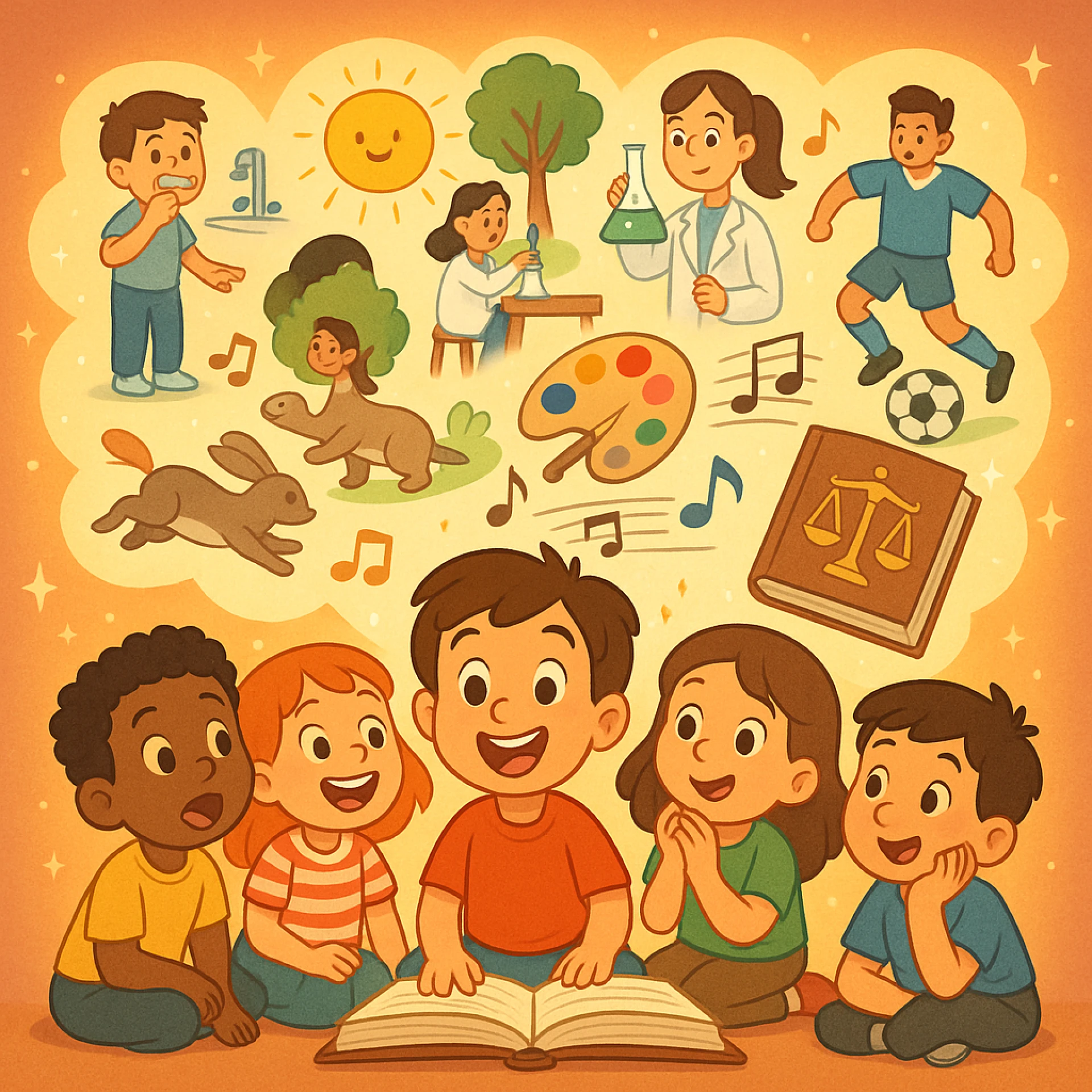
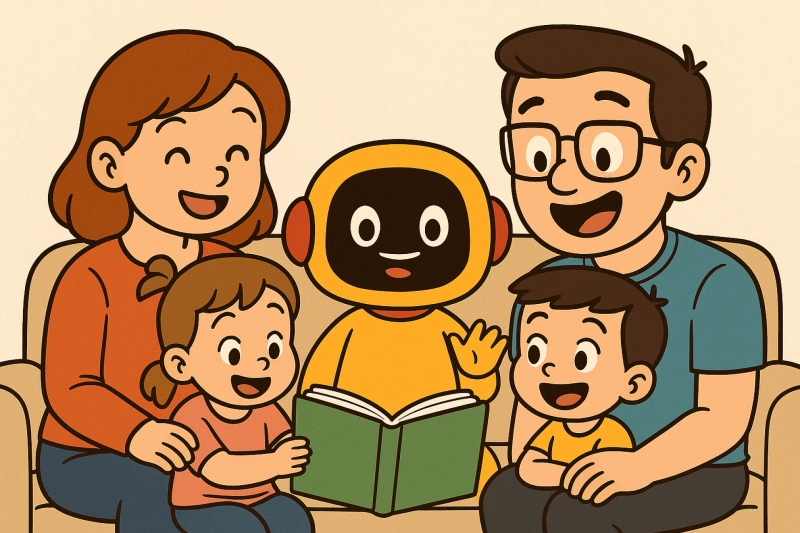
In today’s fast-paced, tech-driven world, children are growing up surrounded by digital devices and interactive platforms. While traditional storytelling remains valuable, digital storytelling has emerged as a powerful tool to engage, educate, and inspire young minds. It combines creativity with technology, allowing kids to learn in a fun, visual, and interactive way. From boosting language skills to encouraging imagination, digital storytelling plays a crucial role in shaping how kids understand the world around them. This modern approach blends entertainment with education, ensuring that children not only consume stories but also participate in creating their own narratives.
Digital Storytelling | What Does it Mean?
Digital storytelling is the practice of using multimedia tools like images, audio, videos, animations, and text to tell a story. Unlike traditional storytelling, it merges creativity with technology to make stories more interactive and relatable for children. This method encourages kids to visualize ideas, connect with emotions, and explore different perspectives. Digital storytelling is not just about entertainment; it is a learning approach that fosters communication, critical thinking, and imagination. By blending digital platforms with creative expression, it transforms stories into dynamic experiences, keeping kids engaged while enhancing their cognitive and emotional development.
Key points in brief:
- Combines traditional storytelling with digital tools
- Uses visuals, audio, and animations for engagement
- Enhances creativity and imagination
- Builds communication and critical thinking skills
- Makes learning interactive and fun
Key Elements of Digital Storytelling
To create an effective digital story for kids, certain elements must come together seamlessly. A good story always begins with a strong narrative that captures attention and builds curiosity. The integration of visuals and sound effects helps spark imagination and make the story more memorable. Digital storytelling also requires a clear purpose, whether it is to teach values, introduce new knowledge, or simply entertain. Personalization is another key factor, as children respond better when they relate to the characters or situations. Finally, interactivity ensures kids are not passive listeners but active participants in the storytelling process.
Key elements include:
- Strong and engaging narrative
- Visuals and sound effects for impact
- Clear purpose or message
- Personalization for relatability
- Interactive features for participation
Types of Digital Storytelling for Kids
Digital storytelling comes in various forms, each offering unique ways to engage children. Animated videos are among the most popular, bringing characters and stories to life with vibrant visuals. Interactive e-books allow kids to click, drag, and explore stories in a hands-on manner. Podcasts and audiobooks are also valuable, helping children improve listening skills while imagining scenes in their minds. Gamified storytelling combines narratives with challenges, encouraging active involvement and problem-solving. Additionally, AI-powered storytelling platforms let kids create their own personalized stories, giving them a sense of ownership and boosting confidence in creative expression.
Types include:
- Animated videos and cartoons
- Interactive e-books and apps
- Podcasts and audiobooks
- Gamified storytelling platforms
- AI-powered personalized story creators
How do you make Digital Storytelling Interesting for Kids?
Creating engaging digital storytelling requires creativity and strategic planning. First, stories should be age-appropriate, filled with characters and themes that kids can relate to. Adding interactive elements like quizzes, puzzles, or choices within the story can spark curiosity and maintain attention. Visuals, colors, and sound effects must be used wisely to enhance emotional connection. Encouraging kids to take part by creating or narrating their own stories makes the process more exciting. Finally, combining fun with learning—whether through moral lessons, science facts, or cultural tales—ensures that digital storytelling becomes both enjoyable and educational for children.
How to Start Digital Storytelling for Free
Starting digital storytelling doesn’t have to be complex or expensive. With ZoodleMe digital storytelling app , parents and kids can begin their storytelling journey for free. Designed for children aged 3 to 12, the app allows families to create personalized, AI-powered stories across themes like daily life, moral science, nature, creativity, music, and emotions. Kids can explore engaging narratives with interactive features, colorful visuals, and relatable characters while enhancing their imagination, language, and emotional skills. ZoodleMe storyteller for kids makes reading time more meaningful by blending education with fun storytelling experiences, giving every child a chance to become the hero of their own story.