



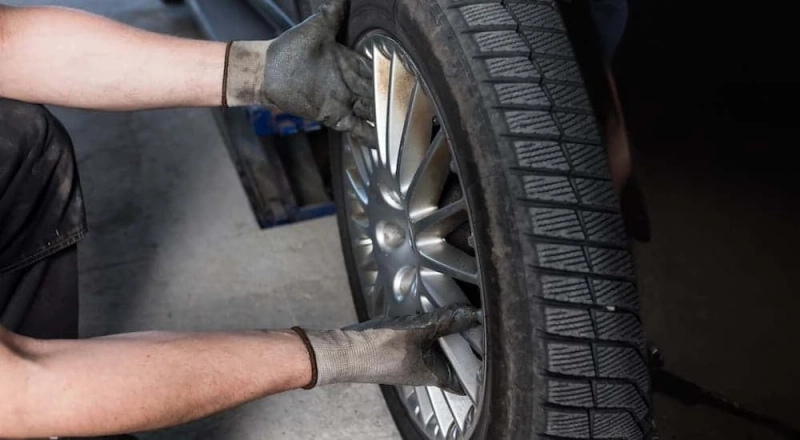
All-wheel drive (AWD) vehicles are popular in Dubai and across the UAE because they offer stability, grip, and safety on highways as well as desert tracks. From luxury SUVs cruising Sheikh Zayed Road to family crossovers driving into the mountains of Hatta, AWD cars are everywhere. However, what many drivers overlook is how sensitive these systems are to tyre replacements. Changing tyres incorrectly might not seem like a big deal, but for AWD systems, it can lead to serious mechanical damage and expensive repairs.
In this guide, we will explain why improper tyre replacement harms AWD vehicles, what makes AWD systems unique, and how drivers in Dubai can avoid costly mistakes with some practical tyre care.
Understanding AWD Systems
AWD cars distribute power to all four wheels instead of just two. Depending on the design, AWD can be full-time (always active) or part-time (engages only when traction is lost). The system ensures maximum grip on wet roads, sand, and even gravel.
But AWD systems are also highly sensitive because all four wheels must rotate in harmony. If one wheel spins slightly faster or slower due to different tyre size or tread depth, the drivetrain begins to strain. Over time, this mismatch causes stress on the differential, transfer case, or transmission. That is why tyre uniformity is critical.
Why Tyre Uniformity Matters in AWD Cars
When you replace tyres on an AWD car, consistency is key. Factors that affect uniformity include:
- Tread depth: If the front tyres are new but the rear tyres are worn, the difference in rolling circumference creates imbalance.
- Tyre size: Even a small mismatch like switching between 17-inch and 18-inch tyres can throw off the AWD system.
- Tyre brand and design: Mixing aggressive off-road tyres with highway tyres can also create uneven rotation.
The AWD system is constantly trying to balance these differences, which leads to overheating and wear of critical components. Repairing or replacing an AWD system is far more costly than simply maintaining tyre consistency.
Common Mistakes Drivers Make
Replacing only one tyre at a time
Many drivers think changing one punctured tyre is enough, but this is a common error with AWD cars. A new tyre will have deeper tread compared to older tyres, causing rolling mismatch.
Mixing brands or patterns
While it might be tempting to replace a single tyre with whatever is available, differences in tread design and rubber composition can impact performance.
Ignoring tyre rotation
AWD cars require more frequent rotation to keep tread wear even across all four tyres. Skipping this step shortens the system’s life.
Buying tyres without expert advice
Shops may sell you what’s in stock, but without considering AWD requirements, it could harm your car. Always consult specialists in tyre Dubai to ensure you’re making the right choice.
Signs of AWD Stress from Incorrect Tyre Replacement
If you’ve recently replaced tyres incorrectly, your vehicle may show early warning signs such as:
- Vibrations or jerks while driving at high speeds
- A humming or grinding noise from the drivetrain
- Difficulty in turning smoothly
- Reduced fuel efficiency
These issues may start subtly but grow worse over time, leading to costly mechanical breakdowns.
Best Practices for Tyre Replacement on AWD Vehicles
- Replace all four tyres at once whenever possible. This ensures uniform size, tread, and performance.
- If replacing four tyres is not possible, replace two tyres on the same axle (preferably rear for AWD) and ensure the tread difference does not exceed manufacturer guidelines.
- Stick to the same brand, model, and size across all wheels.
- Regularly rotate tyres every 8,000 to 10,000 km to even out wear.
- Keep an eye on alignment and balancing, as poor alignment can also stress the AWD system.
Cost of Ignoring Correct Tyre Replacement
The repair bill for a damaged transfer case or differential can easily exceed several thousand dirhams in Dubai. In contrast, correct tyre care is a fraction of that cost. Investing in proper tyre replacements and routine inspections protects both your AWD system and your safety on the road.
FAQs
Why is tyre matching important for AWD vehicles?
AWD cars rely on equal rotation of all four wheels. Even minor mismatches in size or tread depth force the system to overwork, leading to long-term damage.
Can I replace just two tyres instead of four on an AWD car?
It is recommended to replace all four at once. If budget is a concern, you can replace two tyres but only if they are placed on the rear axle and closely match the tread depth of the existing ones.
How often should I rotate tyres on an AWD vehicle?
Every 8,000 to 10,000 km is ideal for AWD cars. Rotation ensures even wear, which helps maintain uniformity across all four tyres.
Where can I buy AWD-friendly tyres in Dubai?
Dubai has a wide network of tyre dealers and online platforms offering premium brands. Look for trusted tyre shops that understand AWD requirements and provide installation guidance.
Conclusion
Incorrect tyre replacement is one of the fastest ways to damage an AWD system. Even if it feels like a small compromise, mismatched tyres can slowly wear down expensive components. To keep your vehicle performing at its best, always follow correct replacement practices, rotate tyres regularly, and choose consistent tyre sets.
And remember, tyre care is not only about replacement, but also about routine inspection. Simple car tyre maintenance tips such as checking air pressure, wheel alignment, and tread depth can make a huge difference in protecting your AWD system and your wallet.