



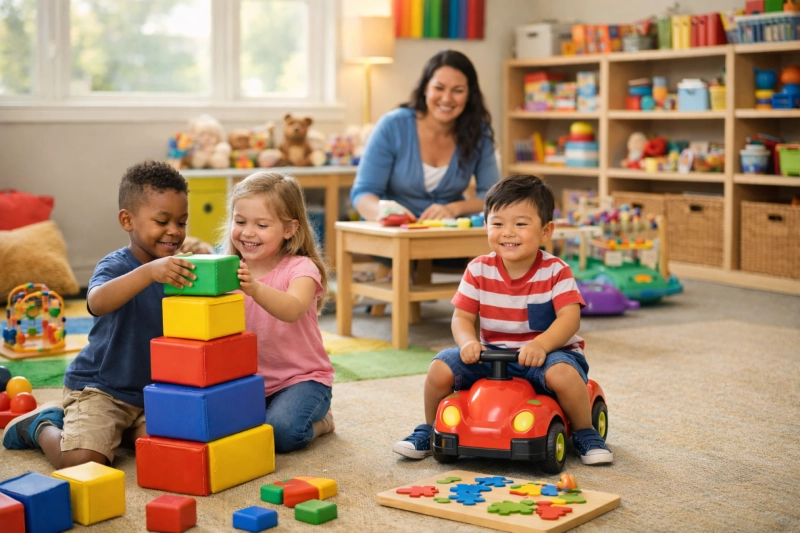
Children in foster care often come from backgrounds where life has felt uncertain, or unsettled. When they move into a new home, they need time, space, and gentle support to feel safe. One simple but powerful way to support them is through free indoor play.
Play may look like a small part of daily life, but it can help children relax, build trust, and feel more at ease in their surroundings. In foster homes, play is not about rules or outcomes. It is about giving children freedom to be themselves.
What Is Free Indoor Play?
Free indoor play means play that is led by the child. There are no set goals, no pressure to perform, and no right or wrong way to take part. Children choose what they want to do and how long they want to do it.
This type of play can include drawing, building with blocks, role play, puzzles or quiet games. It can happen in the living room, bedroom, or any safe space in the home. The focus is on choice, and comfort.
For children in foster care, this kind of play can feel very different from structured activities they may be used to. It allows them to take control in a safe way.
The Importance of Play in Foster Care Environment
The importance of play is well known in child development but it holds extra meaning for children in care. Many children have faced stress, loss or change before entering foster care. Play gives them a natural way to cope with these feelings.
Through play, children can express emotions they may not yet have words for. A game, drawing or pretend story can show what a child is thinking or feeling without pressure.
The importance of play also lies in how it supports learning, and confidence. When children play freely, they make decisions, solve small problems and learn about their own interests.
Supporting Mental, and Emotional Well Being
One of the strongest benefits of play is how it supports mental, and emotional well being. Children in foster care placement may carry worry, fear, or confusion. Play helps to release tension and bring a sense of calm.
When children feel relaxed, they are more likely to settle into daily routines. Regular play can reduce stress, and help children sleep better and feel more balanced.
Play also helps children understand and manage their feelings. This is a key part of mental and emotional well being, especially for children adjusting to a new home and new relationships.
Building Trust Through Play
Trust does not happen overnight. Foster carers often need gentle ways to connect with children. Free indoor play can help with this because it removes pressure from conversation.
When carers sit nearby or join in only when invited, children learn that adults can be supportive without being controlling. This shared time can slowly build trust.
The importance of play here is not about teaching skills but about showing care, and patience. Even quiet play side by side can help a child feel less alone.
Helping Children Feel Safe at Home
Feeling safe is one of the first needs for any child in foster care. Familiar routines mixed with flexible play time can help children understand what to expect each day.
Having regular moments for free indoor play shows children that the home is a place where they are allowed to relax. It supports mental, and emotional well being by creating a calm, and predictable environment.
Children who feel safe are more likely to open up and take part in family life at their own pace.
Encouraging Healthy Development
The importance of play also links closely to healthy growth. Play supports thinking skills, creativity, and social awareness. For children who may have missed out on early play experiences, this is especially valuable.
Indoor play gives children a chance to explore ideas, practise skills, and build confidence without fear of getting things wrong. This supports mental and emotional well being by helping children feel capable and accepted.
Play does not need to be complex or costly to be effective.
Simple Indoor Play Ideas
You do not need special equipment for free indoor play. Everyday items can be more than enough. Drawing with paper and pencils, building with cushions, or sorting toys can all support learning and comfort.
Quiet activities can be helpful for children who feel overwhelmed. Puzzles, colouring, or reading together can create peaceful moments that support mental and emotional well being.
Letting children choose what they want to do is key.
Supporting Carers and Families
Foster carers also benefit from understanding the importance of play. Play can offer insight into how a child is feeling and what they may need more support with.
By allowing space for play each day, carers can support mental, and emotional well being in a natural way. It also helps create a positive atmosphere in the home.
Over time, these small moments can make a big difference to how a child feels.
A Gentle Part of Everyday Life
Free indoor play does not need to take over the day. Even short periods can be helpful. What matters most is consistency, and understanding?
When children know they have time to play freely, they often feel more settled, and secure. This supports mental and emotional well being and helps them adjust to foster care life.
Play is not just something children do. It is a simple way to show care, patience, and support every day.