



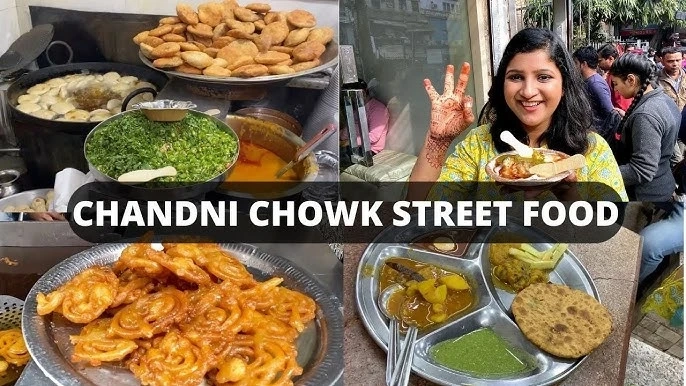
Stepping into Chandni Chowk is like stepping into the heart of India’s culinary heritage. For centuries, this historic lane in Old Delhi has been a paradise for food enthusiasts, historians, and travelers seeking authentic flavors. Every corner of Chandni Chowk tells a story — one filled with sizzling tavas, aromatic spices, and recipes passed down through generations. For anyone planning to explore the vibrant food culture of this bustling area, a good starting point is the Vegetarian Food Guide to Chandni Chowk, which highlights the timeless dishes and hidden gems that make this place an unforgettable gastronomic experience.
The Culinary Soul of Delhi
Chandni Chowk has long been the epicenter of Delhi’s street food scene. From the early 17th century when Mughal emperors commissioned its layout, to the modern day, it has remained a melting pot of diverse communities — each adding their own culinary touch. This diversity has given rise to an unparalleled mix of flavors, from spicy chaats and crisp parathas to decadent sweets like jalebis and rabri falooda. Every bite captures the history and culture of the city itself.
Food lovers from across the world come here not just for the taste but for the experience. The crowded lanes, the chatter of vendors, and the aroma of freshly fried snacks all blend to create an atmosphere that is impossible to replicate anywhere else. It’s not just about eating—it’s about living a tradition that has fed millions for generations.
Exploring the Icons of Chandni Chowk
To truly experience Chandni Chowk, you must start your journey at the iconic Paranthe Wali Gali. This narrow lane is home to some of the oldest eateries in Delhi, where every paratha is hand-rolled and fried in ghee until golden. A stuffing of potatoes, paneer, lentils, or even dry fruits offers a delightful surprise in every bite. Then there’s the famous Karim’s, where Mughlai dishes have reigned supreme since 1913. Their kebabs and curries have become synonymous with Old Delhi’s royal culinary lineage.
Don’t forget to stop by Natraj Dahi Bhalla Corner for its creamy bhallas and crisp aloo tikkis, or visit the old halwais for rich sweets like motichoor laddoo and sohan halwa. Each of these establishments holds a piece of Delhi’s food history, carrying forward techniques that have barely changed for decades.
The Street Food Experience
What makes Chandni Chowk irresistible is its ability to offer authentic street food in its purest form. Vendors prepare dishes right in front of you, often with recipes handed down through family lines. You’ll find the perfect balance of tangy, spicy, and sweet flavors — the hallmark of North Indian cuisine. The iconic golgappas, with their burst of spiced water, or the fragrant chole bhature served piping hot, represent the essence of Delhi’s vibrant street life.
Each stall has a personality, a loyal customer base, and a secret recipe that sets it apart. Food lovers appreciate this raw authenticity — it’s not about fine dining but about honest flavors and rich traditions. This is where food tells stories, and every visitor becomes a part of that story.
A Heritage Beyond Taste
What truly makes Chandni Chowk special is its connection between food, culture, and heritage. Many of the shops here are over a hundred years old, operating in the same spots their ancestors once did. The old architecture, the sound of temple bells, and the vibrant energy of the market all add to the sensory experience. It’s a living museum where you don’t just observe history—you taste it.
For many, exploring Chandni Chowk is part of a broader culinary adventure, often as part of a delhi food walk tour. Such tours give travelers insight into how food connects with local life. Guides share stories about the origins of dishes, the people behind them, and how the community has evolved over time. These tours blend education with enjoyment, allowing participants to savor both the flavors and the fascinating narratives that define Delhi’s culinary identity.
The Evolution of Chandni Chowk’s Food Culture
Over the years, Chandni Chowk has managed to evolve without losing its essence. While modern cafés and fusion eateries have appeared around Delhi, this area stays true to its roots. The charm lies in its unpretentiousness — food that speaks of love, patience, and tradition. Vendors here still rely on time-tested ingredients and cooking techniques, refusing to compromise on authenticity for convenience.
As Delhi grows into a modern metropolis, Chandni Chowk remains its flavorful heartbeat. The aroma of freshly ground spices, the laughter echoing through narrow alleys, and the satisfaction of savoring something truly original continue to draw people from all walks of life.
Why Rasrover Celebrates Chandni Chowk
At Rasrover, we understand that Chandni Chowk is more than just a food destination; it’s an experience that embodies India’s culinary spirit. It represents the warmth of its people, the richness of its history, and the joy of discovering something extraordinary in everyday simplicity. For travelers exploring the diverse tastes of India, Chandni Chowk is often the highlight — a reminder of how food connects people, places, and memories.
Whether you’re a first-time visitor or a returning food lover, every visit offers something new — a flavor, a story, or a memory that lingers long after. For those eager to uncover India’s culinary diversity beyond Delhi, Rasrover also offers curated experiences like a food tour in india, bringing together the nation’s most iconic tastes and traditions in one immersive journey.
Conclusion
Chandni Chowk remains a timeless testament to India’s rich food heritage. Its streets are alive with flavors that have defined Delhi for centuries, offering a sensory experience that words can barely capture. From the sizzle of a paratha to the sweetness of jalebi, every taste here tells a story of culture, community, and continuity. For anyone who believes food is more than just sustenance — that it’s a celebration of life itself — Chandni Chowk is the ultimate pilgrimage.