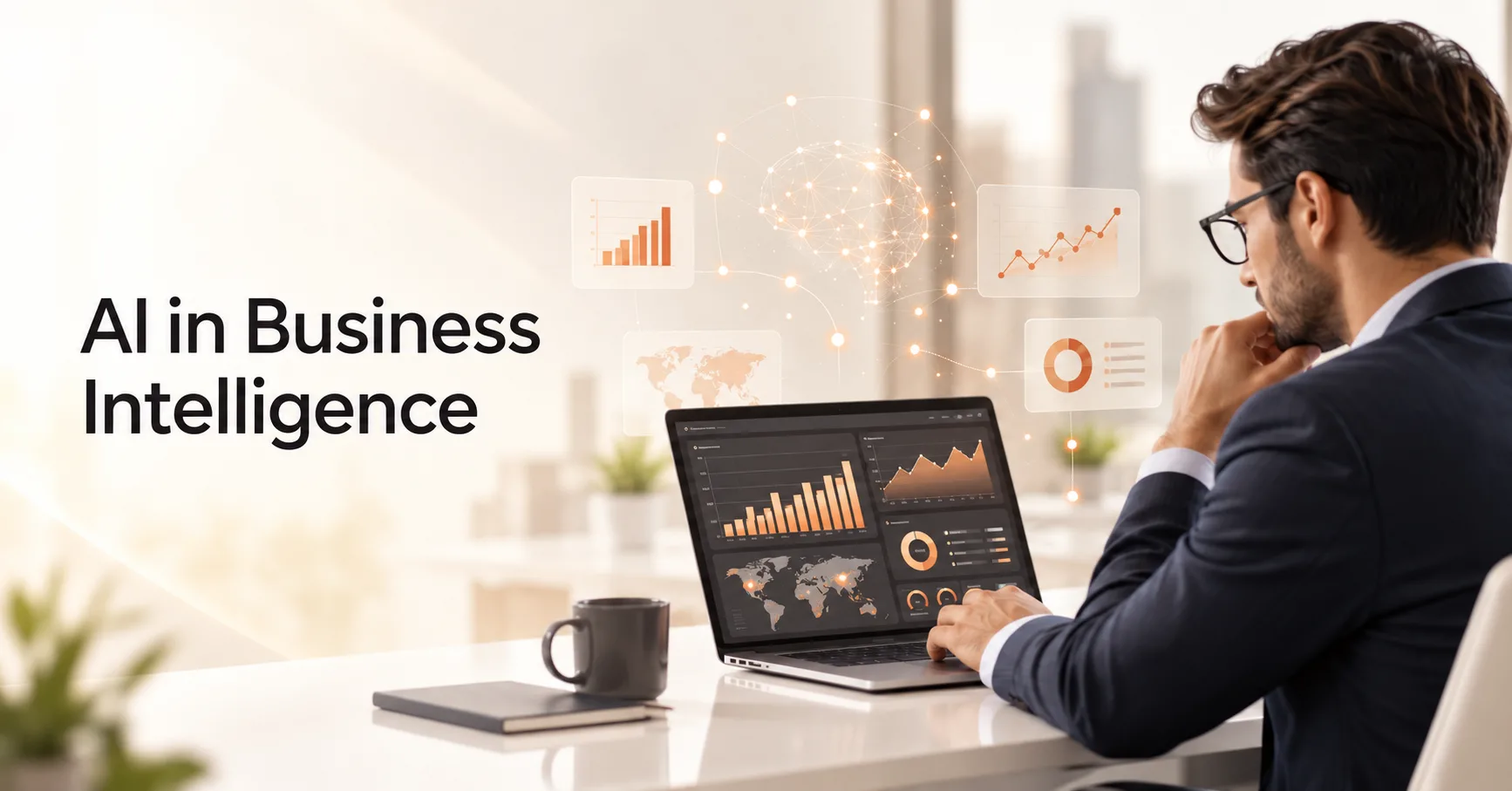
In 2025, the financial environment for small businesses is evolving faster than ever before. With the rise of AI-powered accounting tools, shifting tax laws, and growing financial risks, having a smart accounting strategy isn’t just beneficial-it’s essential. Every transaction, investment, and financial decision must be guided by strategic insight and real-time data analytics. Small business owners must move away from outdated bookkeeping practices and embrace modern, scalable accounting systems to remain competitive.
Why Traditional Bookkeeping is No Longer Enough
The days of spreadsheets and manual entry are over. Traditional bookkeeping methods fall short in delivering:
- Real-time financial insights
- Accurate forecasting
- Compliance with new tax regulations
- Fraud detection and risk mitigation
Smart accounting strategies incorporate automated tools, cloud-based platforms, and expert advisory services that provide actionable financial intelligence. They empower business owners to make confident, data-driven decisions that fuel sustainable growth.
Key Elements of a Smart Accounting Strategy
1. Real-Time Financial Tracking
Smart accounting systems give you live visibility into your cash flow, expenses, receivables, and liabilities. By integrating platforms like QuickBooks Online, Xero, or Zoho Books, small businesses gain access to:
- Automated transaction syncing
- Up-to-date financial dashboards
- Instant report generation
This transparency allows businesses to adjust strategies proactively rather than reacting to outdated reports.
2. Cloud-Based Accounting Platforms
In 2025, cloud accounting is the norm. It offers:
- Remote accessibility from any device
- Bank-level data security
- Multi-user collaboration in real-time
Cloud-based platforms also integrate seamlessly with CRM systems, e-commerce platforms, and inventory tools, making them indispensable for operational efficiency.
3. Strategic Tax Planning and Compliance
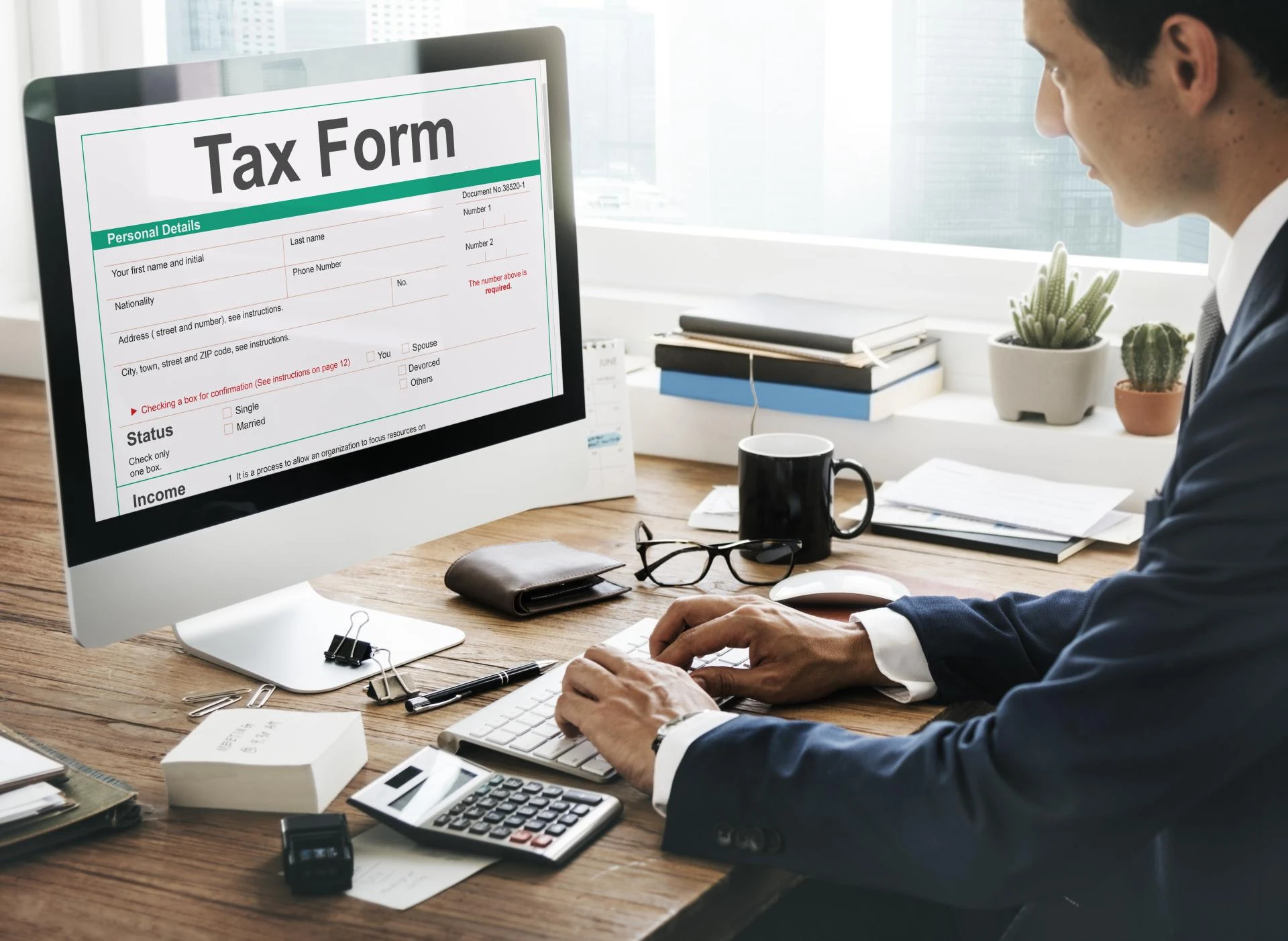
A smart accounting strategy involves proactive tax planning, not last-minute filings. In 2025, businesses face increasing scrutiny from tax authorities and more complex compliance rules. A sound approach includes:
- Quarterly tax estimates and planning
- Maximizing eligible deductions
- Staying ahead of tax law changes
Working with a CPA or tax strategist ensures that your business remains compliant and benefits from every legal advantage.
4. Automated Payroll and Expense Management
Handling payroll manually is a recipe for errors and penalties. Integrated accounting systems automate:
- Employee payments and withholdings
- Tax filings and year-end forms
- Reimbursements and benefits tracking
Smart strategies use tools like Gusto, ADP, or Paychex, which also keep businesses compliant with federal and state labor laws.
5. Data-Driven Financial Forecasting
Smart accounting isn’t just about tracking the past—it’s about planning the future. With access to predictive analytics, businesses can:
- Project future cash flow
- Analyze profit margins
- Model growth scenarios
Financial forecasting helps entrepreneurs prepare for seasonal dips, expansion opportunities, and potential downturns-ensuring long-term financial health.
The Role of Outsourced Accounting Services
For many small businesses, building an in-house accounting team is not financially viable. In 2025, outsourced accounting services offer:
- Expert guidance without full-time salaries
- Access to specialists in tax, payroll, and financial strategy
- Scalable services that grow with your business
Outsourcing allows business owners to focus on core operations while professionals manage their financial landscape with precision.
Cybersecurity and Data Protection in Financial Management
With digitization comes risk. A smart accounting strategy prioritizes data security through:
- End-to-end encryption
- Two-factor authentication
- Regular system audits
Partnering with trusted accounting platforms ensures your sensitive financial information stays protected against cyber threats.
How Smart Accounting Drives Business Growth
1. Better Cash Flow Management
Effective accounting strategies improve cash flow by:
- Streamlining invoicing and payment collection
- Reducing unnecessary expenses
- Improving budget accuracy
A healthy cash flow means greater flexibility and resilience during economic uncertainties.
2. Informed Business Decision Making
Access to real-time, accurate financial data empowers owners to:
- Evaluate ROI on marketing campaigns
- Identify profitable product lines
- Negotiate better vendor terms
Every business decision becomes more strategic and less reactive.
3. Enhanced Investor and Lender Confidence
Smart accounting creates clean financial records, audited statements, and robust forecasting—critical elements that:
- Attract investors
- Secure loans and credit lines
- Support strategic partnerships
Professional financial reporting inspires confidence and opens new funding opportunities.
Choosing the Right Accounting Tools and Partners in 2025
The right strategy requires the right tools. Key criteria when choosing accounting software or partners include:
- Integration capabilities
- User-friendliness
- Scalability and customization
- Customer support and training resources
Whether you’re working with a CPA firm or adopting AI-powered software, ensure your solutions align with your business goals and growth trajectory.
Conclusion:
In 2025, the difference between thriving and surviving for small businesses will be their ability to manage finances strategically and intelligently. A smart accounting strategy isn't a luxury-it's a competitive necessity.
By investing in real-time tools, expert advice, predictive insights, and robust compliance frameworks, small businesses can unlock growth, reduce risk, and gain a decisive edge in their markets.