



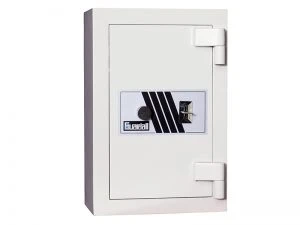
In the fast-paced world of healthcare, hospitals are bustling hubs of activity where lives are saved every day. Amid the chaos of emergency rooms, operating theaters, and patient wards, one critical element often goes unnoticed until it's too late: secure storage for sensitive materials. Enter the high-security medical safe—a fortified vault designed specifically for medical environments. These aren't your average lockers; they're advanced systems built to protect valuable assets like controlled substances, patient records, and expensive equipment. But why does every hospital need one? This article dives into the reasons, exploring security, compliance, efficiency, and more, to show how investing in medical safes can safeguard both patients and institutions.
The Rising Threat of Theft and Misuse in Hospitals
Hospitals handle a treasure trove of high-value items, from opioid painkillers to rare pharmaceuticals. Unfortunately, this makes them prime targets for theft. According to recent reports from healthcare security organizations, drug diversion—where staff or outsiders steal medications—costs the U.S. healthcare system billions annually. In 2023 alone, incidents of internal theft rose by 15%, highlighting a growing vulnerability.
Imagine a busy night shift: a nurse needs quick access to morphine for a patient in agony. Without proper safeguards, that same medication could end up in the wrong hands. High-security medical safes address this by incorporating features like biometric scanners, which use fingerprints or retinal scans to grant access only to authorized personnel. This not only deters thieves but also tracks every interaction through digital logs. No more relying on outdated key systems that can be duplicated or lost. By implementing these robust medical safes, hospitals can significantly reduce the risk of diversion, ensuring that life-saving drugs stay where they belong.
Beyond drugs, these safes protect other essentials. Think about confidential patient files or even high-tech devices like portable ultrasounds. In an era of increasing cyber-physical threats, where hackers might target physical access points, a high-security safe acts as the first line of defense.
Ensuring Regulatory Compliance and Avoiding Penalties
Healthcare is one of the most regulated industries, and for good reason. Laws like the Health Insurance Portability and Accountability Act (HIPAA) and Drug Enforcement Administration (DEA) guidelines mandate strict controls over sensitive materials. Failure to comply can result in hefty fines, license suspensions, or even shutdowns.
For instance, DEA regulations require that Schedule II narcotics be stored in a securely locked, substantially constructed cabinet. But in today's digital age, "securely locked" means more than a padlock. High-security medical safes meet and exceed these standards with tamper-evident designs, alarm integrations, and audit trails that record every access attempt. This documentation is invaluable during audits, proving that the hospital is proactive about compliance.
Consider a real-world example: In 2022, a major hospital chain faced a $5 million fine after a DEA inspection revealed inadequate storage for controlled substances. The breach stemmed from using generic safes that lacked proper tracking. Switching to specialized medical safes could have prevented this. Hospitals that prioritize these systems not only avoid penalties but also build trust with regulators and patients alike.
Moreover, in the wake of data privacy scandals, protecting physical records is as crucial as cybersecurity. A high-security safe ensures that paper-based HIPAA-protected information isn't vulnerable to prying eyes, complementing digital firewalls.
Enhancing Patient Safety and Operational Efficiency
At the heart of any hospital's mission is patient care. High-security medical safes play a pivotal role here by preventing medication errors and unauthorized access. When drugs are securely stored, the chances of mix-ups or tampering drop dramatically. Features like automated dispensing and inventory tracking mean staff can quickly locate what they need without rummaging through unsecured cabinets.
Picture this: During a code blue, every second counts. A well-organized safe with RFID tagging allows instant retrieval of defibrillator paddles or emergency meds, streamlining workflows. This efficiency translates to better outcomes—fewer delays mean faster treatment.
From an operational standpoint, these safes reduce waste. Real-time inventory monitoring alerts administrators to low stock or expiration dates, preventing costly overstocking or shortages. In one study by a healthcare management firm, hospitals using advanced safes reported a 20% drop in medication waste, saving thousands per year.
Additionally, staff morale improves when they know resources are protected. No more paranoia about theft accusations or inventory discrepancies. It's a win-win: safer patients and happier teams.
Features That Make High-Security Medical Safes Indispensable
What sets high-security medical safes apart from standard storage? Let's break down the key features:
- Biometric and Multi-Factor Authentication: Gone are the days of simple keys. These safes use fingerprints, PINs, or even facial recognition, ensuring only vetted individuals gain entry.
- Audit Trails and Integration: Every open, close, or failed attempt is logged and can integrate with hospital software for seamless oversight.
- Durability and Tamper Resistance: Built with reinforced steel and impact-resistant materials, they withstand forced entry attempts. Alarms trigger if tampering is detected.
- Customizable Compartments: Tailored for hospitals, with sections for different drug classes, temperatures, or sizes.
- Remote Monitoring: Administrators can oversee access from anywhere, adding a layer of oversight in large facilities.
These innovations aren't just bells and whistles; they're necessities in modern healthcare. Investing in such medical safes means future-proofing against evolving threats.
The Cost-Benefit Analysis: Is It Worth It?
Skeptics might balk at the upfront cost—high-security safes can range from $5,000 to $50,000 depending on size and features. But let's crunch the numbers. The average hospital loses $100,000 annually to drug theft alone, not counting fines or reputational damage.
By preventing even one major incident, the safe pays for itself. Long-term savings come from reduced insurance premiums (insurers love proactive security), lower waste, and fewer legal battles. A report from the American Hospital Association notes that facilities with advanced security measures see a 30% reduction in overall losses.
Moreover, in a competitive healthcare landscape, hospitals with top-tier security attract better talent and partnerships. It's an investment in resilience.
Real-Life Case Studies: Lessons from the Field
Take the case of a Midwest hospital in 2024: After a string of internal thefts, they installed high-security medical safes. Within six months, incidents dropped to zero, and compliance scores soared. Staff reported feeling more secure, leading to higher retention rates.
Conversely, a California facility ignored warnings and suffered a breach, leaking patient data and drugs. The fallout? A lawsuit and temporary closure. These stories underscore the stakes: skimping on security isn't an option.
Conclusion: Securing the Future of Healthcare
In summary, every hospital needs a high-security medical safe to combat theft, ensure compliance, boost efficiency, and prioritize patient safety. These aren't luxury items; they're essential tools in an increasingly complex world. As threats evolve, so must our defenses. Hospital administrators should assess their current setups and consider upgrading to specialized medical safes today. The peace of mind—and potential lives saved—make it an unbeatable choice.
By embracing this technology, hospitals not only protect their assets but also reinforce their commitment to excellence. After all, in healthcare, security isn't just about locks; it's about trust.