



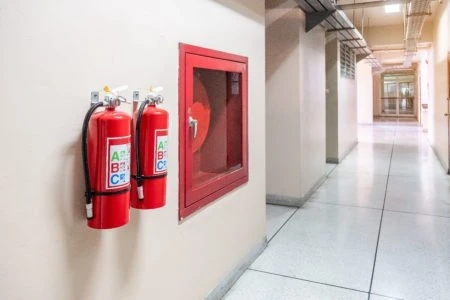
Fire safety is one of the most critical aspects of building management—yet it’s often overlooked until an emergency occurs. Whether it’s a residential apartment, commercial office, industrial facility, or retail showroom, every building must have fire extinguishers to ensure immediate response during a fire. They are not just essential for saving lives and property—they are also required by law.
In this comprehensive blog, we will explore why every building needs fire extinguishers, the legal obligations in India, and how they contribute to maintaining a safe and compliant environment. If you are a property owner, facility manager, or business owner, this guide will help you understand the importance of choosing and maintaining the right fire extinguishers.
1. Fire Extinguishers Are the First Line of Defence
When a fire breaks out, even a small delay can lead to extensive damage. Fire extinguishers allow occupants to control or eliminate small fires within the first few minutes, preventing them from turning into life-threatening disasters.
Immediate Response Saves Lives
Most workplace and home fires start small—electrical sparks, cooking flames, overheating equipment, or chemical reactions. A properly placed fire extinguisher enables anyone on-site to act instantly before the fire spreads.
Protects Valuable Property
A major fire can destroy equipment, documents, machinery, and important inventory. Fire extinguishers help stop the fire early, drastically reducing financial loss. For businesses, this also prevents downtime and protects long-term operations.
2. Required Under Indian Fire Safety Laws
Indian fire safety regulations clearly mandate that operational fire extinguishers must be installed in almost every type of building. Not having them can lead to penalties, business closure, or legal consequences.
Key Legal Standards
Here are the primary legal frameworks requiring fire extinguishers in buildings:
- National Building Code (NBC 2016) – Requires every residential, commercial, industrial, and institutional building to install the correct type and number of fire extinguishers.
- Factory Act, 1948 – Mandates fire fighting equipment in industrial facilities.
- OSID & Fire Department NOCs – Fire extinguishers are essential to obtain Fire Safety Certificates.
- Local Municipal Fire Bye-Laws – State and city fire departments require extinguishers for building approval.
For Commercial Buildings
Offices, shops, malls, hotels, and co-working spaces must comply with strict fire safety guidelines. Non-compliance can result in suspension of business operations, Heavy fines, Rejection of Fire NOC or Legal liability in case of fire accidents.
For Residential Buildings
Apartment complexes must install extinguishers in Parking areas, Staircases, Lift lobbies and Common spaces. This ensures every resident is protected in case of emergencies.
3. Fire Extinguishers Reduce the Risk of Fatalities
Statistics show that most fire-related deaths occur due to lack of immediate firefighting tools. Smoke and flames can spread in seconds, especially in confined spaces like homes and offices. Fire extinguishers can prevent smoke inhalation injuries, burn injuries and trapped occupants during evacuation. When employees and residents know how to use an extinguisher, the chances of survival increase dramatically.
4. Suitable for Different Types of Fires
A major advantage of modern fire extinguishers is that they are designed for specific fire classes, making them suitable for various building environments.
Common Fire Extinguisher Types
- ABC Powder Extinguisher – For homes, offices, shops (multi-purpose use)
- CO₂ Extinguisher – For electrical rooms, server rooms, IT setups
- Foam Extinguisher – For flammable liquids in workshops or industrial areas
- Water-Based Extinguisher – For Class A fires involving paper, wood, fabrics
- Kitchen/ Wet Chemical Extinguisher – For commercial kitchens and restaurants
Choosing the right type ensures effective fire suppression and helps meet legal compliance.
5. Essential for Fire Department NOC and Insurance Claims
Fire NOC Requirement
To legally operate many types of buildings—especially commercial and industrial—you need a Fire No Objection Certificate (Fire NOC) from the state fire department.
One of the key requirements for NOC approval is Installing ISI-marked fire extinguishers, ensuring correct placement and quantity and Conducting periodic refilling and maintenance.
Insurance Benefits
Most insurance companies require proof of Functional fire extinguishers, Annual maintenance records and Fire audit reports. Without these, insurance claims for fire damage may get reduced or rejected.
6. Fire Extinguishers Are Easy to Use and Maintain
Many people assume fire extinguishers are difficult to operate, but in reality, they follow the simple PASS Method:
- Pull the pin
- Aim at the base of the fire
- Squeeze the handle
- Sweep side to side
Regular maintenance ensures extinguishers remain functional when needed. Refilling and inspections must be done by a certified fire safety equipment company.
7. A Legal and Moral Responsibility
Installing fire extinguishers isn’t just about checking a compliance box. It's about protecting employees, customers, residents, visitors and property. A small investment in fire extinguishers today can prevent enormous loss tomorrow.
Conclusion
Every building—whether residential, commercial, or industrial—needs fire extinguishers for legal, safety, and practical reasons. They are vital for early fire control, legal compliance, reducing financial losses, and protecting lives.
To stay compliant and secure, ensure your building is equipped with:
✔️ ISI-certified fire extinguishers
✔️ Correct extinguisher types for each area
✔️ Annual maintenance and refilling
✔️ Proper signage and placement
Fire safety is not optional—it is a responsibility.