



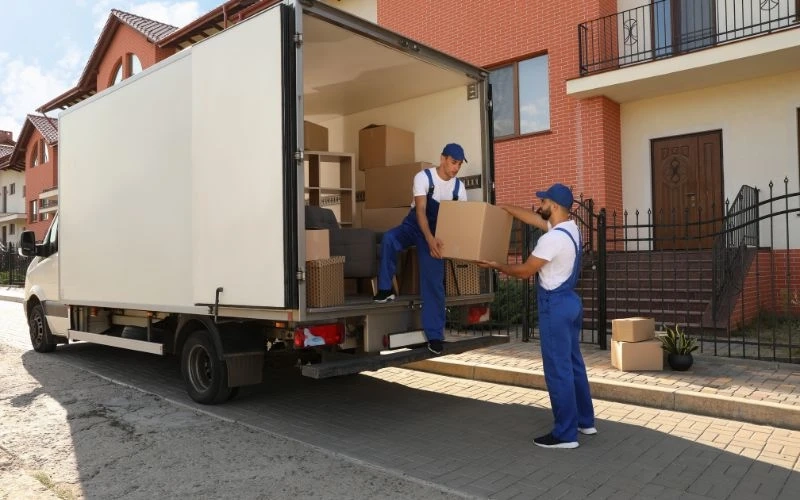
A recent transport analysis revealed something surprising: over 42% of move-related damage happens due to shifting loads inside trucks—not improper packing. One sudden turn, a sharp brake, or an uneven road surface becomes a threat when items have room to move. Empty gaps may look harmless, but they behave like silent troublemakers once the vehicle starts rolling. A truck that isn’t tightly packed becomes a rolling pinball machine, and fragile belongings are often the first to be lose. Teams specialising in flexible house removal services in Sydney see the effects repeatedly across local and long-distance relocations.
Even perfectly wrapped boxes cannot defend themselves when they begin to slide. Small movements add up. A slight wobble repeated a hundred times becomes pressure. Pressure becomes dents, cracks, or broken surfaces. A controlled loading strategy prevents these outcomes long before the truck door closes.
How Much Empty Space Is Too Much in a Moving Truck?
Empty space becomes risky the moment objects can slide more than a few centimetres. Movement accelerates with speed, corners, and bumps, turning loose items into collision hazards. Dense packing and strong padding reduce impact forces dramatically, making the truck interior a stable environment instead of a shifting puzzle. For those storing items for longer durations, a combined moving and storage services often sees the biggest difference when loads are tightly controlled.
Understanding Why Empty Space Causes Damage
When a truck moves, micro-vibrations travel through the entire load. If gaps exist:
- Boxes shift
- Furniture tilts or leans
- Fragile items knock into harder surfaces
- Weight becomes uneven
- Stress builds at weak points
Once weight distribution becomes unstable, even sturdy items begin to absorb strain. Over long journeys, this repeated motion becomes the top cause of cracked surfaces, crushed corners, and broken fittings.
How to Prevent Damage Caused by Empty Spaces
1. Fill Gaps Using Soft Materials
Soft fillers prevent unwanted movement while absorbing shock. Useful options include:
- Clean crumpled packing paper
- Moving blankets
- Towels
- Foam sheets
- Cushions
These stabilise each section of the load, reducing friction and impact.
2. Load Heavy Items First
Heavier items form a sturdy base. Lighter objects stay safe on top, protected from crushing weight and unexpected pressure shifts.
3. Lock Items in Sections
Ropes, straps, and tie-down rails keep everything anchored. Dividing the truck into zones ensures items stay exactly where they were placed.
4. Stack With Intention
Balanced stacking eliminates leaning and wobbling, reducing the chance of collapse during transit.
Pros and Cons of a Fully Packed Truck
Pros
- Major reduction in shifting and vibration
- Faster, more organised unloading
- Lower chance of impact damage
- Safe weight distribution for better driving
Cons
- Requires extra planning
- Takes more time to arrange
- Needs soft filler materials
FAQ Section
1. Does a Partially Filled Moving Truck Increase Breakage Risk?
Yes. Even small gaps allow objects to slide and collide, causing dents, broken edges, and crushed cartons during transport.
2. What’s the Best Way to Stop Items From Shifting?
Compact stacking, strong tie-downs, and soft fillers work together to lock items in place and prevent motion on bumpy routes.
3. Is Weight Distribution Important in a Moving Truck?
Absolutely. Balanced weight protects fragile items, reduces pressure points, and keeps the vehicle stable on the road.
Conclusion
Extra empty space inside a moving truck may look harmless, but it’s one of the most common triggers of avoidable damage. Movement inside the truck often matters just as much as the external road conditions. By getting rid of gaps, tightening the load, and securing each part, a dangerous transit becomes a safe, regulated space. No matter how long or short the move is, or if it is done by experts, one of the easiest and most efficient ways to keep important things safe is to limit mobility inside the house.