


Introduction
Melbourne’s weather is unpredictable and even a short burst of heavy rain can expose hidden problems in your outdoor drainage. Many homeowners only realise something is wrong when water starts pooling in places it should not. Before the situation becomes stressful, it helps to understand the reasons behind these issues and the steps you can take early on. If you are already concerned about drainage around your home, you can learn more about common causes of trouble by checking details on blocked stormwater drains.
Why blockages start without warning
One of the most confusing parts of stormwater problems is how suddenly they seem to appear. You might go months without a single sign of trouble and then, after one ordinary rainfall, your lawn or driveway starts filling with water. This often happens because debris builds up quietly over time. Leaves remain trapped in the gutters, sand accumulates in pits and tree roots begin exploring any gap they can find in older pipework. When the next heavy rainfall arrives, the water has nowhere to go and the blockage finally becomes obvious.
Another reason issues appear unexpectedly is the age of underground infrastructure. Many homes across Melbourne still rely on pipes that were installed decades ago. Over time these pipes become fragile and prone to collapse or deformation. A small movement in the soil is enough to restrict the flow of water and cause backflow issues during storms.
Recognising early warning signs
One of the best ways to avoid expensive repairs is to recognise early symptoms. Water slowly draining from downpipes, gurgling noises in wet weather and minor odours from outdoor pits are subtle indicators of a developing blockage. You may also notice moss growth around inspection points or soggy soil forming even after mild rainfall.
Another common sign is the appearance of small areas of sinking ground. This usually means water has been lingering below the surface and washing soil away. If this occurs, it is important to take action quickly before the problem spreads or begins damaging foundations or garden structures.
Why Melbourne homes experience frequent drainage issues
Melbourne’s leafy suburbs create an ideal environment for organic debris. During autumn, gutters are loaded with fallen leaves and bark which eventually find their way into stormwater entry points. In addition to this, the combination of clay soil and sudden downpours increases the risk of blockages forming within underground lines.
Household habits also play a part. When external drains are used incorrectly, foreign materials can become lodged in internal bends of the pipe. Even small amounts of grease or cleaning residue that wash outdoors can bind with natural debris and create dense blockages. When clogs form inside household systems they often need professional attention from a specialist who handles blocked drains melbourne.
The role of tree roots
Tree roots are one of the most persistent causes of recurring blockages. They seek moisture and nutrients from soil and will travel long distances to locate it. Any crack or loose joint in underground drainage becomes an easy access point. Once roots enter the system, they expand rapidly and trap sediment. Even after roots are removed, they often grow back unless pipe damage is repaired or replaced.
To reduce the chances of root intrusion, avoid planting large trees or shrubs directly above drainage routes. If you are unsure about the layout of your stormwater system, a plumber can map it out with cameras and help identify dangerous plant locations.
DIY maintenance that makes a real difference
Simple maintenance goes a long way in preventing unexpected flooding. Regularly clean gutters and downpipe openings, especially after windy days or seasonal leaf fall. Flush garden pits with a garden hose to push minor sediment along the line. If you notice small obstructions near entry points, remove them before they become compacted.
It is also useful to check the slope of your outdoor surfaces. Over time paving may shift and create uneven pathways for water. Correcting these slopes ensures water flows towards drainage points rather than pooling near doorways or garage entrances.
When it is time to call a licensed plumber
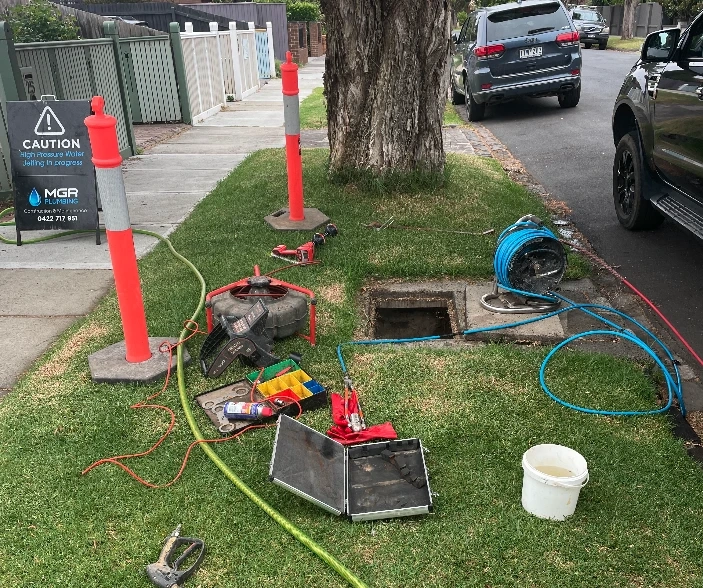
When the issue is beyond what you can safely handle, professional help becomes essential. A licensed plumber uses specialised equipment to inspect the interior condition of your pipes. CCTV camera surveys allow them to identify location, size and cause of a blockage with precision. High pressure water jetting can then clear the obstruction without digging up large areas of your property.
Some problems are linked to other household plumbing systems and require coordinated repair. For instance, if you notice both stormwater issues and irregularities with hot water outlets, this may indicate pressure problems or combined drainage concerns. In such cases, contacting a trained service provider such as a certified hot water plumber melbourne ensures the problem is addressed safely.
The importance of ongoing inspections
Routine inspections can prevent serious water damage, especially in older neighbourhoods. A yearly stormwater check allows plumbers to identify early deterioration, root activity or soil movement. This is especially important if you have noticed recurring odours, slow outdoor drainage or minor garden flooding.
Inspections also help homeowners plan ahead for repairs. Replacing a broken section of pipe early is far cheaper than dealing with erosion, structural damage or significant excavation later.
Managing costs and minimising future issues
The cost of repairing stormwater systems varies depending on the extent of damage and accessibility. Minor blockages that require simple jetting are typically affordable. More complex jobs involving root cutting, pipe relining or excavation will naturally cost more. However, addressing these problems early prevents far larger expenses in the future.
Homeowners can reduce long term costs by establishing a maintenance routine. Cleaning gutters every season, scheduling annual inspections and ensuring outdoor surfaces direct water correctly are small efforts that save considerable money over time.
Final thoughts and how to contact a trusted service
Keeping your stormwater system healthy is not complicated but it does require consistent attention. Melbourne’s changing weather means even a mild blockage can quickly cause problems if left untreated. By acting early, observing warning signs and maintaining a clean drainage environment, you can avoid sudden flooding and unnecessary repair costs.
When you need skilled help from a trusted local team, you can reach out to MGR Plumbing through their business listing here: MGR Plumbing.