



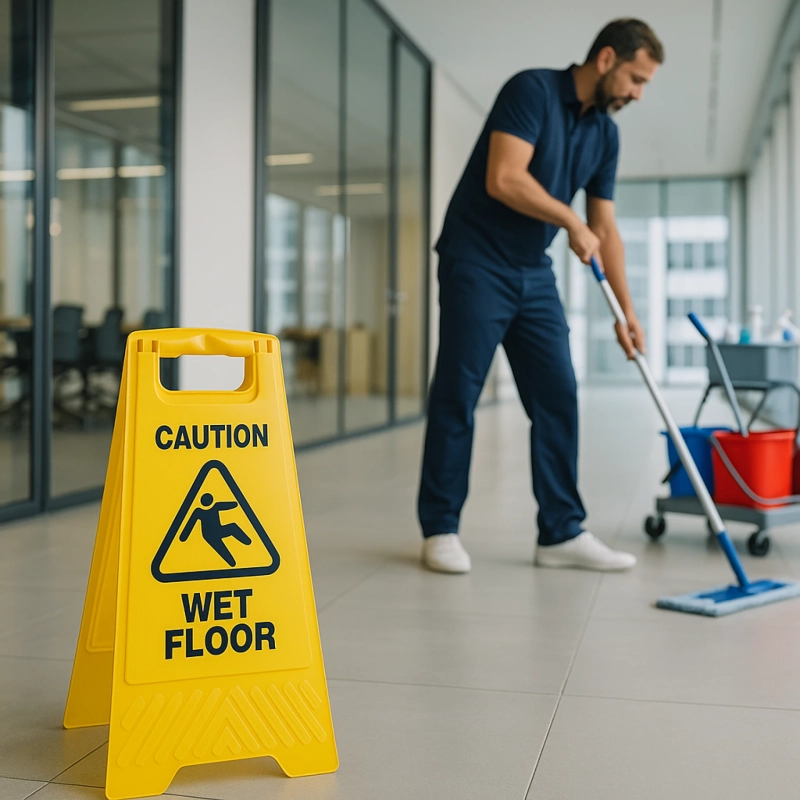
South East Queensland has rapidly become one of Australia’s most dynamic economic regions, attracting businesses across finance, retail, hospitality, and professional services. With the growth of commercial hubs in Brisbane, the Gold Coast, and the Sunshine Coast, the way companies think about workplace safety and hygiene is evolving. Today, a clean and secure environment is no longer just about appearances—it has become a defining factor in staff wellbeing, customer confidence, and long-term business performance.
South East Queensland’s Expanding Commercial Landscape
Brisbane’s central business district continues to thrive, with new developments and major infrastructure projects drawing national and international investment. Meanwhile, the Gold Coast is cementing its role as a commercial and tourism powerhouse, and Ipswich along with the Sunshine Coast are attracting smaller enterprises and start-ups seeking affordable yet strategic locations.
This regional growth has created a surge of activity across retail centres, co-working spaces, and office towers. With this influx of workers and visitors, maintaining hygienic and well-maintained facilities has taken on greater urgency. A poorly maintained environment may not only create health risks but also damage the reputation of businesses striving to succeed in increasingly competitive markets.
Why Hygiene and Safety Are Now Central Priorities
In the wake of recent global health challenges, businesses across South East Queensland have been forced to rethink their operational priorities. Cleanliness has shifted from being a secondary concern to a fundamental expectation of both employees and customers.
For many workers, returning to the office is conditional on assurances that hygiene standards are upheld. Customers are equally mindful, particularly in hospitality and retail settings where face-to-face interactions are frequent. Beyond perception, compliance with occupational health and safety regulations also requires consistent cleaning practices in commercial environments.
In short, maintaining clean and safe spaces is no longer optional—it has become part of a business’s social responsibility and a marker of its professionalism.
Spotlight on South East Queensland’s Commercial Hubs
Each commercial centre in South East Queensland has unique requirements that influence cleaning strategies:
- Brisbane CBD: The heart of corporate activity, where high-rise offices demand daily maintenance and sanitization to support thousands of workers.
- Gold Coast Precincts: A blend of business and tourism, requiring facilities to uphold impeccable cleanliness standards to meet visitor expectations.
- Sunshine Coast and Ipswich: Emerging hubs where small-to-medium businesses are setting strong foundations by embedding hygiene and workplace safety into their culture from the outset.
These hubs reflect how different industries—from finance to retail and hospitality—rely on tailored cleaning approaches to meet their operational demands.
Professional Cleaning as a Business Standard
While some workplaces attempt to handle hygiene with in-house staff, the complexity and consistency required often make this unrealistic. From meeting strict compliance rules to managing waste responsibly, professional support is increasingly seen as the practical option.
Many businesses now turn to providers offering commercial cleaning South East Queensland to ensure safe and reliable workplace environments. This approach not only supports compliance but also reduces the burden on business owners and facility managers who must maintain consistent standards.
With eco-friendly products and sustainable cleaning practices becoming more common, outsourcing these services aligns with broader corporate sustainability goals while delivering practical benefits.
Technology and Innovation in Workplace Hygiene
The cleaning industry is not static—it is being reshaped by technology. Businesses across South East Queensland are embracing smart solutions, including:
- Sensor-based systems that monitor soap, sanitizer, and paper usage to ensure facilities are never understocked.
- Automated cleaning schedules that streamline tasks and improve accountability.
- Digital compliance tools that allow managers to access records and proof of cleaning in real-time.
Such innovations are particularly valuable for companies with multiple sites, enabling them to monitor hygiene standards across locations with consistency and transparency.
Case Examples from Local Businesses
The practical benefits of prioritizing hygiene can be seen in businesses across the region:
- Co-working spaces: Regular disinfection and surface cleaning reassure tenants and freelancers who share facilities with strangers.
- Retail centres: High-traffic areas such as food courts rely on frequent cleaning to prevent health hazards and maintain customer trust.
- SMEs in Ipswich and the Sunshine Coast: Smaller businesses are investing in professional cleaning to strengthen their reputations and meet local compliance standards.
These examples show how embedding hygiene into daily operations not only improves safety but also strengthens business resilience.
Looking Ahead: The Future of Workspaces in South East Queensland
As South East Queensland’s population and commercial activity continue to expand, the demand for professional hygiene services will grow in parallel. Even as hybrid and flexible working models reduce office occupancy at times, the expectation for high cleaning standards will remain. Employees returning to offices, and customers visiting commercial hubs, will continue to look for visible signs of safety and cleanliness.
In this context, cleaning and workplace safety are no longer seen as expenses—they are investments that contribute to long-term business success. By making hygiene central to workplace strategy, South East Queensland businesses may protect their people, safeguard their reputations, and strengthen community confidence.
Conclusion
South East Queensland’s growth as a commercial hub highlights the critical role of safety and hygiene in modern workplaces. Whether in the Brisbane CBD, Gold Coast precincts, or emerging hubs on the Sunshine Coast and Ipswich, businesses are recognizing that clean environments are not just about compliance—they are about trust. As the region evolves, safer, cleaner spaces may remain a defining feature of successful businesses.