


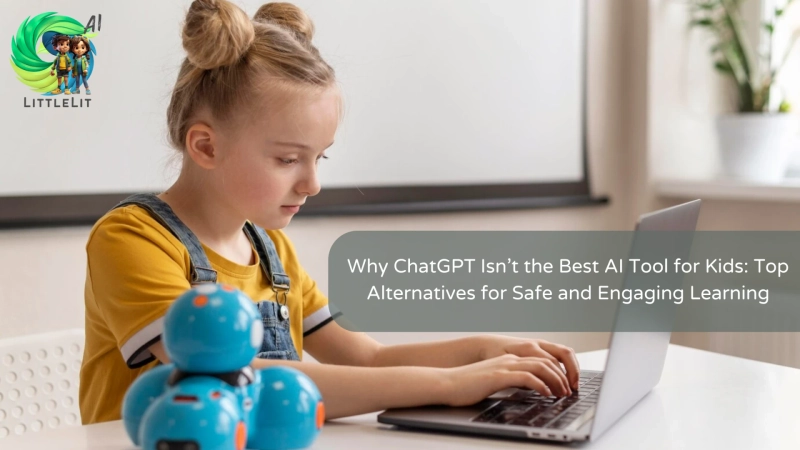
AI is everywhere these days, making its way into classrooms, homework help, and even creative projects. Parents and educators often turn to platforms like ChatGPT, Google Gemini, or Claude, hoping they can assist kids with their learning. However, the truth is, these AI tools weren’t designed with young learners in mind. They may seem powerful, but they lack the hands-on, structured, and interactive approach children truly need.
So, what’s the solution? Enter LittleLit, an AI platform built specifically for kids. It offers a safe AI environment that focuses on both education and engagement, helping children learn through exploration and creativity. Let’s dive into what makes a great AI for Kids and why tools like ChatGPT fall short.
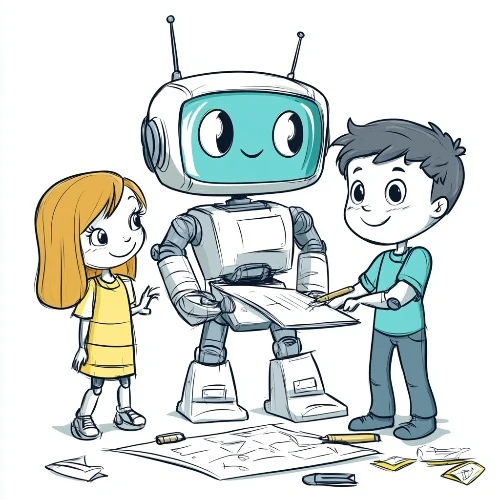
What Kids Need from AI: Why Chat GPT Falls Short
When it comes to AI for kids, it’s not just about providing answers—it’s about fostering curiosity, critical thinking, and creativity. A truly effective AI Homework Helper should offer more than just a chatbot that responds to questions. It needs to:
✅ Be interactive and engaging – Kids learn better when they can interact with the AI, not just read responses.
✅ Provide creative tools – AI Art Generator features like drawing or storytelling tools are essential for creative development.
✅ Support learning and homework – Rather than offering direct answers, it should guide kids to think critically and solve problems on their own.
✅ **Promote AI education – Teaching kids about the ethics of AI, its limitations, and how to fact-check responses.
Unfortunately, Chat GPT and similar tools don’t quite fit the bill. Here’s why.
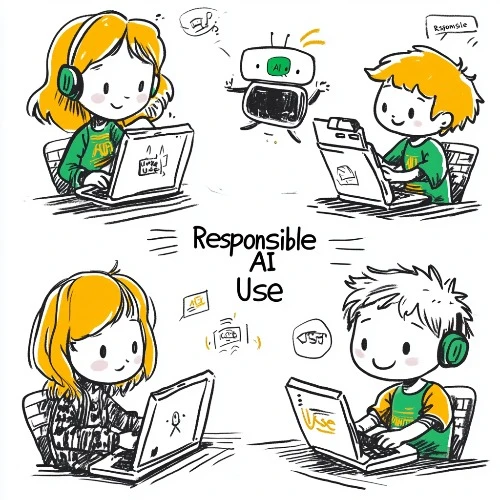
1. AI Safety: Chat GPT Isn't Built for Kids
While tools like Chat GPT, Google Gemini, and Claude are incredibly advanced, they weren’t built with young users in mind. These platforms don’t have built-in guardrails to ensure that children are exposed to age-appropriate content.
The risks include:
- Misleading or biased answers
- Lack of guidance on AI ethics
- No instruction on how to fact-check AI-generated content
That’s where LittleLit AI stands apart. This platform focuses on ethical AI by creating a safe, educational space where kids can learn and grow.
2. AI for Kids: Hands-On Learning, Not Just Text
Children learn best when they can engage with AI in a hands-on, creative way. Unlike traditional chatbots, which are mainly text-based, a great AI for School should offer interactive experiences, such as:
🎨 AI Art Generator – Let kids create their own digital drawings, fostering creativity and artistic skills.
🎮 AI-powered storytelling – Tools that help kids craft their own stories, improving literacy and imagination.
📝 AI Writing Coach – Supporting kids in developing better writing skills, critical thinking, and problem-solving.
For real learning to happen, children need to explore and build—not just receive pre-written responses. The best AI for Kids encourages this kind of active participation
.
3. Homework Help: The Right Kind of Assistance
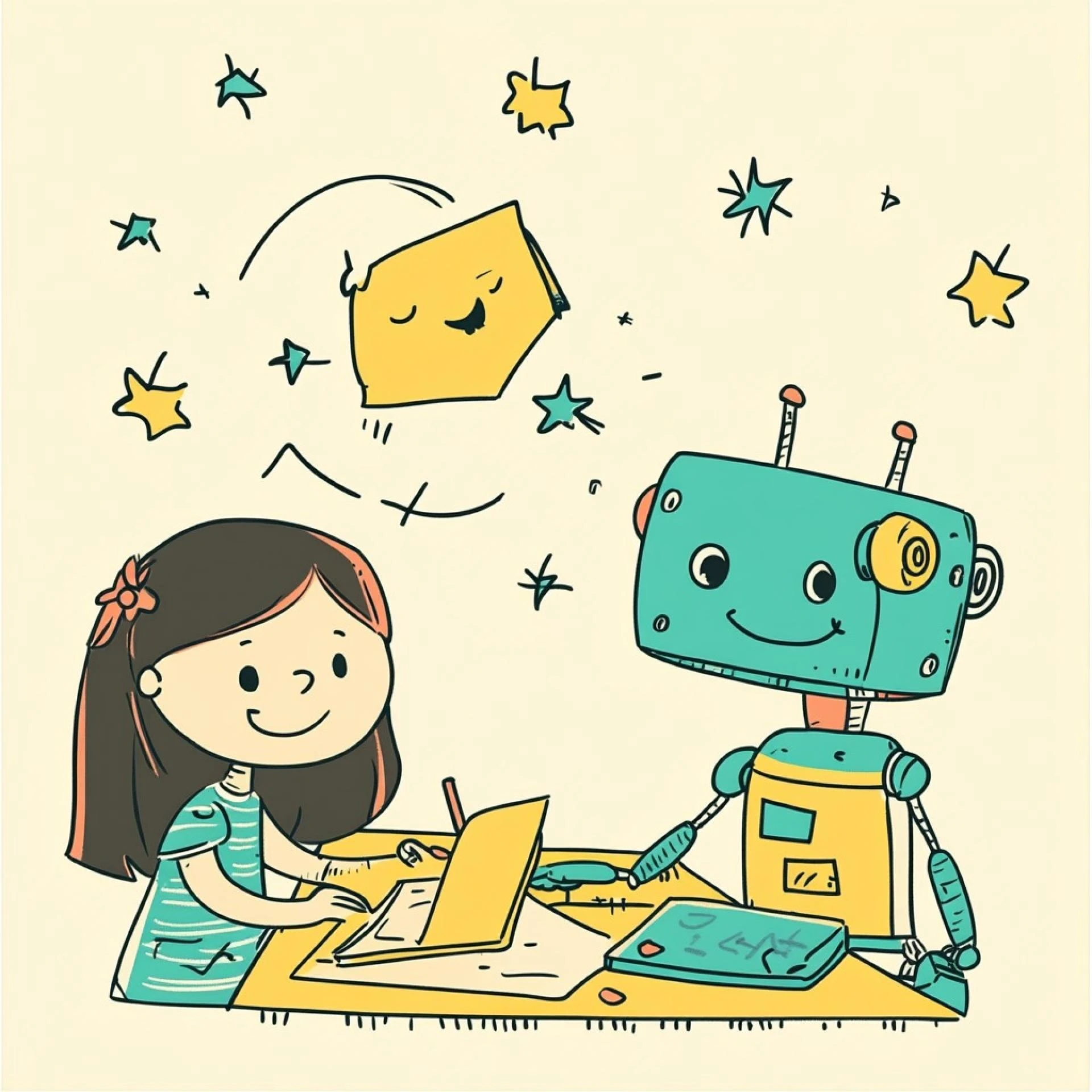
We’ve all witnessed kids using AI platforms like ChatGPT to copy-paste answers without actually engaging in the learning process. While AI can be helpful, it should never be a shortcut to success. The right AI Homework Helper should:
✔️ Encourage critical thinking – Instead of providing answers, it should help kids understand how to arrive at a solution.
✔️ Offer step-by-step explanations – This helps kids learn how to solve problems independently.
✔️ Adapt to learning styles – Every child learns differently, and an AI tutor should personalize its approach to support their individual needs.
At the end of the day, study AI shouldn’t just be a tool for doing homework—it should be a resource that helps kids develop the skills they need for the future.
What Makes the Best AI Tool for Students?
So, what does the best AI for Kids look like? The ideal tool goes far beyond simple question-and-answer. It should:
✅ Be creative – Tools like AI drawing generators and storytelling apps can inspire kids to use their imagination.
✅ Promote safe learning – AI education platforms need built-in safety measures, ensuring children’s content is age-appropriate.
✅ Teach about AI – Kids should learn about the ethical implications of AI, how it works, and when it might be wrong.
✅ Personalize the experience – Tailored tools for different learning styles, encouraging independent thinking and problem-solving.
LittleLit AI shines in this area by focusing on both AI literacy and creative exploration, making it one of the best choices for teaching kids how to use AI responsibly and effectively.
Teaching Kids the Right Way: How to Understand AI
It’s essential that kids not only use AI but understand how it works. Here are some critical concepts that should be taught:
🔹 AI Bias – Why AI can sometimes be unfair and how to identify biased responses.
🔹 AI Mistakes – Understanding that AI isn’t perfect and learning to fact-check answers.
🔹 Real vs. Fake – Teaching kids how to distinguish between AI-generated media and genuine content.
🔹 When to Ask for Help – Knowing when it’s better to consult an adult instead of relying solely on AI.
This is the kind of AI education that sets kids up for success in a world where technology is only going to play a bigger role in their lives.
Ever wondered how AI tutors for kids are trained? Here is how...
https://youtu.be/R7vfKNBcfqo?si=12xDUGStO7XOmOdk
The Future of AI for Kids: A Learning Revolution
As AI continues to evolve, it will become an integral part of children’s education. The key question is: Are kids simply using AI, or are they truly learning from it? The best AI tools for kids don’t just give answers—they engage them, help them think critically, and teach them how to navigate the AI-driven world of tomorrow.
Parents and teachers should look for platforms that provide:
- Structured learning with creative and interactive tools.
- Safe AI environments with built-in guardrails.
- Ethical AI education, helping kids understand the limitations and biases of AI.
LittleLit AI is a great example of such a platform—giving kids the tools they need to understand and master AI, all while having fun in the process.