



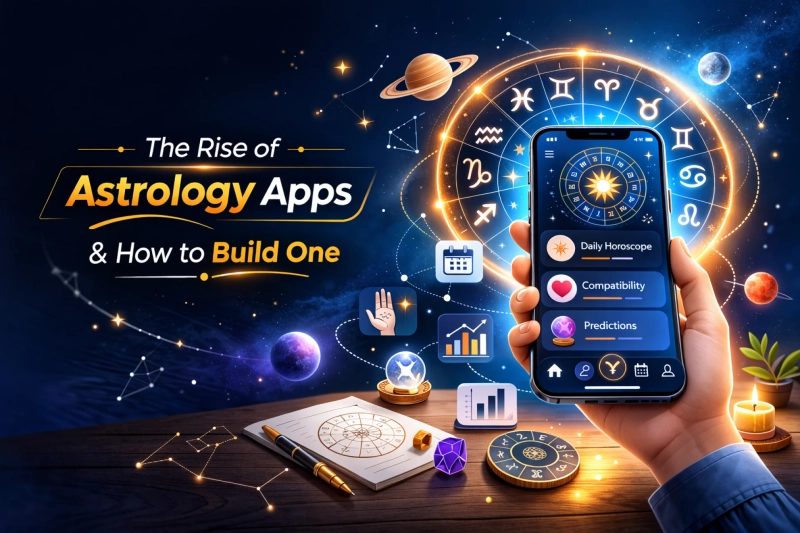
In recent years, astrology apps have shifted from niche curiosities to mainstream digital experiences. Once limited to newspaper columns or local temples, astrological insights are now delivered instantly to millions of smartphones worldwide. The question is no longer “What is astrology?” — it’s “Why are more people using astrology apps than ever before?” and “How can you build an app that captures this growing demand?”
This article explores the real reasons behind the surge in astrology app popularity, the latest trends shaping the market, and a practical roadmap to building your own astrology application that resonates with users and performs well in search engines.
1. The Rising Popularity of Astrology Apps
A Rapidly Expanding Market
The astrology app market is currently experiencing explosive growth worldwide. Analysts estimate the global astrology app market was valued at around USD 5 billion in 2025, with projections reaching over USD 45.7 billion by 2035 at a robust compound annual growth rate (CAGR) of nearly 25%. This rapid expansion shows not only the growing user demand but also a surge in business investment — including companies offering astrology app development services to meet this booming market.
Digital Access to Age‑Old Practices
Astrology has deep cultural roots in many societies, but mobile apps have brought ancient practices to modern life. Instead of consulting paper calendars or local astrologers, users now access horoscopes, birth charts, and compatibility reports with a tap on their phone. This fusion of tradition with technology makes astrology more accessible and appealing to younger, tech‑savvy audiences.
Social and Emotional Relevance
For many Millennials and Generation Z users, astrology isn’t just entertainment — it’s a form of self‑reflection, emotional insight, and daily guidance. With the pressures of modern life, apps that offer daily horoscopes, career insights, or relationship forecasts help users feel more grounded, especially during stressful times.
The Influence of Social Media
Platforms like TikTok, Instagram, and YouTube have significantly boosted interest in astrology, where horoscope content goes viral and encourages users to explore astrology apps for deeper interaction and personalized insights.
Personalized and Convenient Experiences
Today’s users want instant, personalized content — and astrology apps deliver exactly that. With features like birth chart analysis, real‑time predictions, and tailored wellness suggestions, users feel the app is speaking directly to them. This personalization boosts engagement and repeat usage.
2. Key Market Trends Shaping Astrology Apps in 2026
Astrology apps have evolved well beyond simple daily horoscopes. Developers are pushing innovation with the following trends:
AI‑Enhanced Predictions and Insights
Artificial intelligence and machine learning now allow astrology apps to refine forecasts based on user behavior, emotional patterns, and historical cycles. This means predictions are not generic — they are tailored, context‑aware, and able to adapt over time.
For example:
- AI can analyze how frequently users consult their charts
- The app can adapt notifications based on engagement habits
- Predictions can become more relevant with repeated use
This level of personalization significantly enhances user value and repeat engagement.
Live Astrology Consultations
Apps increasingly offer live consultations with verified astrologers via chat, audio, or video. This bridges the gap between traditional one‑on‑one consultations and modern digital convenience. Live features make the experience feel human, trustworthy, and deeply personal — features that pure algorithmic predictions can’t fully replicate.
Gamification and Interactive UX
Leading apps are integrating interactive elements:
- Zodiac personality quizzes
- Daily challenge streaks
- Badges for consistency
- Virtual star maps
These elements boost user engagement and retention by making the experience interactive and fun rather than passive.
Cultural Inclusivity and Multilingual Support
Astrology is not culturally homogeneous. Top apps recognize this by offering:
- Vedic astrology
- Western astrology
- Chinese astrology
- Regional language support
This broadens reach and adds cultural relevance — critical for global adoption.
Immersive Technologies: AR & VR Elements
Some forward‑looking astrology platforms use augmented reality (AR) to visualize constellations, celestial events, or birth charts in real space. While still emerging, immersive features hint at the future of engaging, experiential astrology content on mobile devices.
Wellness Integration
Astrology apps increasingly intersect with wellness — offering mood tracking, meditation prompts, or stress management suggestions based on planetary cycles. This evolution positions astrology as a complement to mental health and lifestyle apps, not just spiritual entertainment.
3. The Core Components of a Successful Astrology App
If you’re planning to build an astrology app that lasts, here are the essential features users expect in 2026:
Personalized Birth Chart Generator
Tapping into birth time, date, and place, this is the foundational feature of any astrology app. It provides:
- Natal charts
- Planetary positions
- House placements
Users expect high accuracy and clear visual representation.
Daily/Weekly/Monthly Horoscopes
Timely predictions keep users coming back. Custom timing options (morning, evening) and push reminders can increase daily engagement.
Compatibility and Relationship Reports
Many users download astrology apps for love or relationship insights. Compatibility tools based on combined birth charts are among the most shared features.
AI‑Powered Insight Feed
Unlike static horoscopes, an AI feed dynamically adjusts content based on user interaction, emotional patterns, and usage frequency.
Live Consultations and Expert Chat
Offering real human interaction adds credibility. Verified astrologers, validated profiles, and in‑app scheduling strengthen trust and satisfaction.
Push Notifications and Smart Alerts
Reminders for daily horoscopes, well‑timed astrological events (eclipses, retrogrades), or moon phases help keep the app in daily user routines.
Community and Social Sharing
Built‑in share options (stories, text, image cards) help users broadcast insights to social platforms — driving organic growth.
4. Step‑by‑Step Guide to Building Your Astrology App
Whether you’re a founder, product manager, or developer, this roadmap will help you build strategically and efficiently.
Define Your Vision and Audience
Start with a clear concept:
- What problem does your app solve?
- Who is the ideal user — Gen Z, Millennials, or spiritual seekers?
- What makes your app distinct in a crowded marketplace?
This clarity defines every subsequent decision.
Determine Core Features First
Begin with a Minimum Viable Product (MVP) that includes:
- Horoscope generator
- Personal birth chart
- Basic notifications
After launch, gather user feedback to expand features like live chat or AI enhancements.
Choose Appropriate Technology Stack
A scalable, maintainable tech stack is essential:
- Frontend: React Native or Flutter (for cross‑platform)
- Backend: Node.js, Python
- AI/ML: Cloud APIs or custom Python models
- Real‑Time Communication: WebRTC or Firebase
Select tools that support rapid growth, high performance, and seamless updates.
Design for Engagement and Simplicity
User experience matters. Astrology apps should feel:
- Intuitive, not overwhelming
- Personalized, not generic
- Warm, not sterile
Good design boosts trust and retention.
Build and Test Your MVP
Release your MVP to early adopters and collect data.
Ask:
- Are users completing onboarding?
- Are notifications increasing engagement?
- Which features are most used?
Use data‑driven insights to shape the next rollout.
Ensure Data Privacy and Security
Astrology apps collect sensitive personal data (birth time, location). Prioritize:
- Secure storage
- GDPR compliance
- Transparent privacy policies
User trust is paramount — and a differentiator in long‑term retention.
5. Monetization Strategies That Actually Work
Astrology apps can be monetized in multiple ways. Choose options that add value rather than disrupt user experience.
Freemium + Subscriptions
Offer basic features for free and premium insights (AI forecasts, live sessions) behind subscriptions. Monthly, quarterly, or annual plans can generate consistent revenue.
Paid Consultations
Charge directly for live astrologer sessions — a strong revenue stream if experts are credible and reviews are visible.
In‑App Purchases
Sell:
- Personalized reports
- Ritual guides
- Custom forecasts
This increases ARPU (average revenue per user).
Ads (Selective and Non‑intrusive)
If you include ads, ensure they are:
- Relevant (wellness, lifestyle)
- Non‑disruptive
- Targeted
Poorly placed ads can hurt engagement.
6. Challenges to Anticipate
Building an astrology app is not without obstacles:
- Competition: A crowded marketplace requires strong differentiation.
- Credibility: Predictions are subjective — balancing entertainment with perceived value is key.
- Retention: Users may disengage without fresh, personalized content.
- Legal/Privacy: Handling sensitive user data requires compliance with strict regulations.
Conclusion
Astrology apps are far more than a trend — they represent a blend of emotional relevance, cultural resonance, and digital convenience. For developers and businesses, this sector offers a strategic opportunity to build meaningful, — engaging, and profitable mobile products.
Whether you’re building an MVP or scaling to millions of users, remember: focus on user value, personalization, privacy, and engagement first — and success becomes far more achievable.