



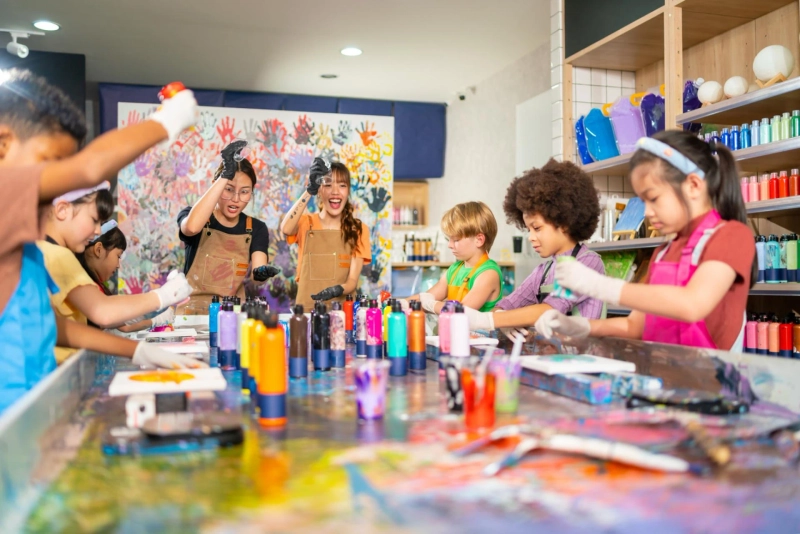
The Role of Art Youth Programs in Child Development
Art youth programs are much more than just creative outlets for children and teens. They play a crucial role in fostering mental health, self-expression, and personal development. In today's fast-paced world, where young people face increasing pressures from various fronts, art programs provide a sanctuary for expression, exploration, and emotional release. Let’s dive into why these programs are indispensable and how they contribute to building confidence through art in young individuals.
Building Confidence Through Art
Art has a unique ability to empower young people by building their confidence through art. When children engage in creative activities, they learn to trust their instincts and make decisions independently. This sense of autonomy is crucial in developing self-esteem and confidence.
Art allows children to express themselves in ways that words cannot. When young individuals create art, they explore their emotions and thoughts through visual means. This self-expression helps them understand and articulate their feelings, leading to greater self-awareness and emotional intelligence.
Art projects often present challenges that require problem-solving skills. As children navigate these challenges, they learn perseverance and resilience. Successfully overcoming artistic obstacles can translate into a more confident approach to challenges in other areas of life.
The Benefits of Structured Youth Art Programs
Youth art programs offer structured environments where children and teens can explore their creativity. These programs provide numerous benefits that extend beyond the canvas.
Art programs are a safe space where young people can express their feelings without judgment. This freedom of expression is essential for mental health. Engaging in children’s art classes can be therapeutic, offering an outlet for emotions that might otherwise remain bottled up.
Participating in art youth programs often involves collaboration with peers. Working on group projects teaches communication, teamwork, and empathy. These social skills are invaluable and help young individuals build healthy relationships.
Art education has been linked to improved academic performance. The skills developed in art youth programs, such as critical thinking and creativity, are transferable to subjects like math and science. Studies have shown that students who engage in the arts often perform better academically.
The Role of Art Therapy in Mental Health
Art therapy is a specialised form of therapy that uses creative activities to address emotional and psychological issues. It is particularly effective for young people who may struggle to express themselves verbally.
Art therapy encourages children to express their feelings through art, which can be incredibly healing. It helps them process difficult emotions and experiences, providing a sense of relief and understanding.
Through art therapy, young individuals learn healthy ways to cope with stress and anxiety. They develop skills to manage their emotions, which contributes to better mental health overall.
Implementing Children’s Art Classes in Schools and Communities
To maximise the benefits of art youth programs, it is essential to implement them in schools and communities. Here’s how:
- School Integration: Integrating children’s art classes into the school curriculum ensures that all students have access to creative outlets. Schools can offer a variety of classes, from painting and drawing to digital art and sculpture, catering to different interests and talents.
- Community Initiatives: Community centers and local organisations can host workshops and classes to reach a broader audience. These initiatives can provide opportunities for children who may not have access to art programs in their schools.
- Parental Support: Parents and educators play a crucial role in supporting art youth programs. Encouraging children to participate and showing interest in their creative endeavors can boost their confidence and motivation.
Overcoming Challenges in Art Youth Programs
While art youth programs are beneficial, they often face challenges such as funding and accessibility. Here are some solutions:
- Funding Solutions: Securing funding for art programs can be challenging. Schools and communities can seek grants, partner with local businesses, and organise fundraising events to support these initiatives.
- Accessibility: Ensuring that all children have access to children’s art classes is crucial. Offering programs at low or no cost and providing transportation options can help reach underserved populations.
- Inclusivity: Art programs should be inclusive and cater to diverse interests and cultural backgrounds. This inclusivity ensures that every child feels welcome and valued in the creative community.
Conclusion: The Importance of Art Youth Programs
Art youth programs are vital for fostering mental health, building confidence through art, and encouraging self-expression in young people. By providing a safe space for creativity, these programs equip children and teens with essential life skills. As communities and educators, it is our responsibility to support and expand these programs, ensuring that every young individual has the opportunity to explore the transformative power of art.
In conclusion, art is not just a pastime; it is a powerful tool for personal growth and emotional well-being. Let us continue to champion the importance of art youth programs, art therapy, and children’s art classes to invest in the future of our children.
For more information, visit Ascend Youth.