



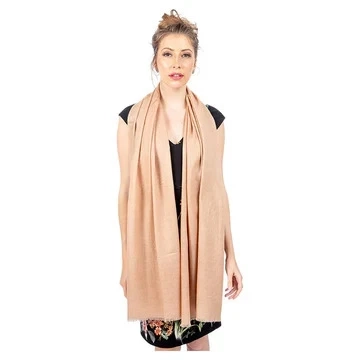
Luxury has many faces, but few items symbolize timeless elegance and artisanal mastery like a women's pashmina shawl. These exquisite wraps are not just accessories—they are heirlooms of craftsmanship, culture, and natural beauty. However, their price often surprises buyers who wonder why such a seemingly simple piece of fabric carries such a premium cost. The answer lies in the rarity of materials, the complexity of craftsmanship, and the enduring value of ethical production.
The Rarity of the Wool
The heart of every authentic pashmina lies in its fiber—pure pashmina wool, sourced from the undercoat of the Changthangi goat, found in the high altitudes of the Himalayas. These goats survive in extreme cold, and their fine under-fleece naturally grows only during the harsh winter months.
The collection of this wool is done by combing, not shearing, making the process entirely manual and time-consuming. Since each goat produces only about 150 grams of usable fiber per year, this limited yield contributes significantly to the cost.
The Labor-Intensive Spinning Process
Once the wool is collected, it undergoes careful cleaning and hand-spinning. This delicate fiber cannot be processed by regular machinery because it risks breaking the strands. Skilled artisans, often women, spin the fiber into yarn using traditional wooden spindles.
This step requires immense patience and precision—one wrong twist can ruin the thread. The slowness of the process ensures that the yarn retains its natural softness and warmth. This laborious hand-spinning is a key factor that elevates both the quality and price of the shawl.
The Art of Hand-Weaving
Weaving a women's pashmina shawl is an art form passed down through generations. Each piece takes weeks or even months to complete, depending on the intricacy of the design. Using wooden looms, artisans interlace threads with expert rhythm, creating lightweight, warm, and luxurious fabric.
Even the simplest design demands hundreds of hours of work. Patterned or embroidered shawls—like kani or jamawar—take even longer, as every motif is woven or stitched by hand. The blend of skill, time, and tradition turns each shawl into a masterpiece, not a mass-produced item.
Natural Dyeing and Finishing
Authentic pashminas are often dyed using natural, plant-based colors that preserve the fiber’s softness and luster. This dyeing process requires precision to avoid damaging the delicate wool. Moreover, artisans must match traditional hues and tones that reflect cultural heritage—muted greys, soft pastels, or rich earthy shades.
After dyeing, the shawl goes through multiple finishing steps—washing, stretching, and pressing—each handled with care. The natural dyes and organic processing add both environmental and aesthetic value, enhancing the shawl’s cost and longevity.
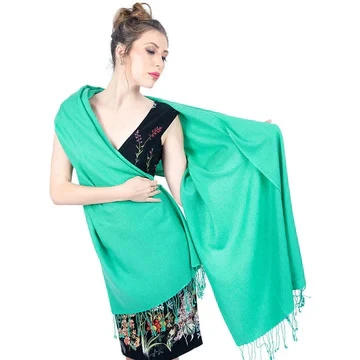
Quality Control and Authenticity
One of the most misunderstood aspects of pashmina pricing is authenticity. The market is filled with machine-made imitations that use synthetic fibers, but true pashmina wool can be identified by its fineness and warmth.
Authentic pieces undergo quality checks for thread consistency, weaving perfection, and fiber purity. Many are certified with a GI (Geographical Indication) tag from Kashmir, guaranteeing their origin and craftsmanship. This certification and the high rejection rate during quality testing add to the overall expense but ensure that buyers receive only genuine luxury.
The Real Value Behind the Price
When you invest in a pashmina shawl, you are paying not just for a product but for centuries of heritage and human artistry. The cost covers sustainable herding practices, fair wages for artisans, and environmentally responsible production methods.
Unlike fast fashion, which prioritizes speed and scale, pashmina represents slow fashion at its finest—crafted to last a lifetime, timeless in design, and rich in story. It’s an item that doesn’t depreciate but gains sentimental and aesthetic value over time.
The Final Thread: Invest in a Legacy
So, are pashminas expensive? Absolutely. But are they worth it? Even more so. Every women's pashmina shawl carries the warmth of Himalayan goats, the patience of skilled weavers, and the legacy of a culture that values authenticity over automation.
Owning one is not merely about fashion—it’s about preserving art, supporting sustainable craftsmanship, and embracing a tradition of natural luxury.
If you’re ready to invest in elegance that endures, explore our collection of authentic pashmina shawls at TCG London and experience the true touch of Himalayan luxury.