



Third-party cyber incidents are rising faster than internal security breaches. Yet many organizations still underestimate how much risk their external vendors and partners introduce.
Today, 60–70% of data breaches can be traced back to a supplier, contractor, or service provider.
But why is it happening?
Why are cyber incidents caused by third parties becoming so common, so costly, and so difficult to control?
Third-party cyber incidents are increasing because vendor ecosystems are growing faster than companies can secure them.
Here's why the problem keeps getting worse and how the best third-party risk assessment solutions helps to stay ahead.
1. Vendor Ecosystems Are Getting Bigger
Modern businesses rely on more external partners than ever before:
- SaaS tools
- Cloud services
- Payment processors
- Marketing platforms
- IT contractors
- Logistics and supply chain vendors
- Compliance and HR tools
Each vendor is connected to your systems, your data, or your processes.
And every connection is a potential attack surface.
The more vendors you add, the harder it becomes to track:
- who has access
- what data they handle
- how secure they are
- when risks change
As ecosystems grow, so does your exposure.
2. Attackers Now Target the “Weakest Link”
Hackers have realized that instead of attacking large, well-secured organizations directly, it’s easier to:
- breach a smaller vendor,
- exploit their weak security,
- and pivot into a bigger company’s environment.
Cybercriminals love vendor attacks because:
- Vendors often have privileged access
- Many small vendors lack cybersecurity resources
- Vendor networks are interconnected
- Companies don’t continuously monitor vendor risk
In other words, attackers go where defenses are weakest.
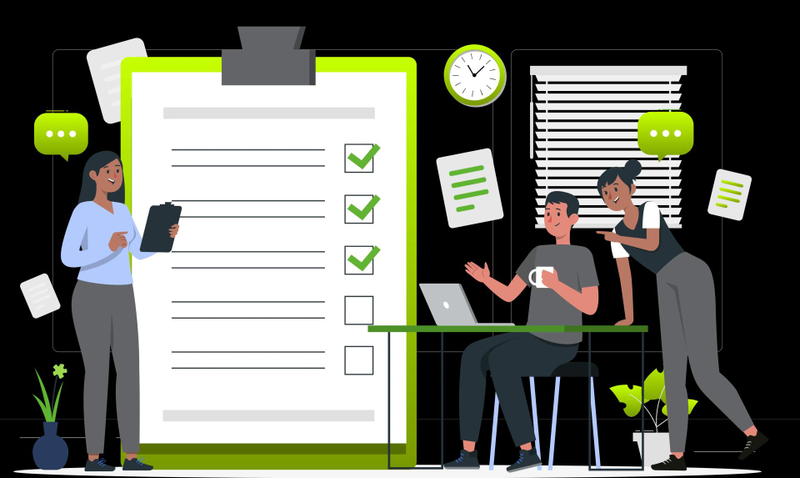
3. Manual Vendor Assessments Don’t Work Anymore
Most companies still use:
- spreadsheets
- email questionnaires
- annual assessments
These methods are slow, static, and incomplete.
Why they're failing:
- Vendors change faster than assessments
- New cyber threats appear daily
- Vendor policies evolve
- Compliance status fluctuates
- Self-reported answers aren't always accurate
A vendor could be secure in January and breached by July, yet no one notices until it’s too late.
It is why automated, real-time monitoring is quickly becoming essential.
4. Third Parties Often Have Direct Access to Sensitive Data
Many vendors handle:
- customer information
- payment data
- health records
- internal communications
- intellectual property
- cloud applications
The level of access makes them high-value targets.
And with more companies moving to cloud-based services, the boundaries of “who has access” are blurrier than ever.
When a vendor is compromised, your data is compromised too.
Finally…
Third-party cyber incidents aren't increasing by accident. They’re increasing because vendor ecosystems are expanding faster than companies can secure them.
But with the right tools, processes, and automation, you can take back control.
AI-driven, automated vendor risk management isn’t just the future, it's the only sustainable way forward.