



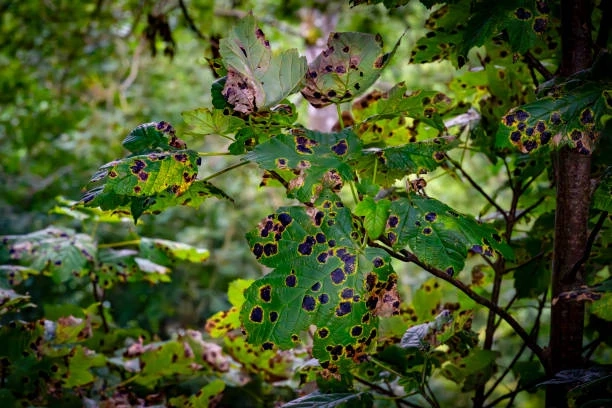
Silver birch trees are loved for their elegant white bark, delicate leaves, and soft, dappled shade. But despite their beauty, they can be surprisingly vulnerable to stress, disease, and environmental changes. If you’ve noticed your silver birch trees looking weak, losing leaves early, or showing unusual signs of decline, you’re not alone. These trees often struggle in modern urban and suburban environments.
Common Reasons Silver Birch Trees Die
Below are few of the silver birch tree problems in Australia:
1. Drought Stress
Silver birch trees naturally grow in cool, moist forests and riverbanks. This means they have shallow, fine roots that dry out easily—especially in hot Australian summers.
Signs:
- Leaf yellowing and browning
- Early leaf drop
- Sparse canopy
Why it happens:
Extended periods of heat and insufficient watering are the most common causes of decline in residential birch trees.
2. Birch Leaf Miner Infestation
Birch leaf miners are tiny insects that burrow inside the leaves, creating brown blotches and weakening the canopy.
Signs:
- Brown, papery patches inside leaves
- Leaves appearing scorched
- Thinning foliage
Why it matters:
Severe or repeated infestations restrict photosynthesis, draining the tree’s energy and making it vulnerable to other diseases.
3. Bronze Birch Borer
This is one of the most destructive pests affecting birch trees. The bronze birch borer targets stressed trees, tunnelling into the trunk and disrupting water and nutrient flow.
Signs:
- Dieback starting from the top of the tree
- D-shaped exit holes on the bark
- Vertical cracks and peeling bark
- Sparse, dying branches
Why it happens:
Borers usually attack trees weakened by drought, old age, or poor soil conditions.
4. Nutrient Deficiency or Poor Soil Conditions
Silver birch trees prefer cool, well-drained soil with consistent moisture. Hard, compacted, alkaline, or nutrient-poor soils can cause the tree to decline over time.
Signs:
- Yellowing leaves (chlorosis)
- Slow growth
- Weak branches
Soil-related stress is particularly common in new developments, areas with clay soil, and properties with heavy foot traffic or construction disturbance.
5. Root Damage
Because birch roots are shallow, they can be easily damaged by construction work, soil compaction, paving, or excavation.
Signs:
- Sudden wilting or leaf drop
- Bare sections of canopy
- Poor leaf growth in spring
Even minor root injuries can lead to long-term decline if not addressed quickly.
6. Fungal Diseases
Birch trees are susceptible to various fungal pathogens, including:
- Armillaria root rot
- Anthracnose
- Leaf spot diseases
Signs:
- Mushrooms at the base of the trunk
- Dead bark patches
- Wilting despite adequate watering
If fungi reach the root system, the tree may die rapidly.
7. Age and Natural Decline
Most birch species have a relatively short lifespan—typically 30 to 60 years. Older trees naturally become more vulnerable to pests, disease, and environmental stress.
Signs:
- Significant dieback
- Hollow or brittle branches
- Multiple pest infestations
If your birch trees are decades old, decline may sometimes be unavoidable.
Early Warning Signs Your Silver Birch Is Dying
Recognising the symptoms early gives you the best chance to save your trees. Look for:
✔ Canopy Thinning
One of the earliest signs that the tree is stressed or under attack.
✔ Yellowing or Browning Leaves
Especially if it occurs in spring or early summer.
✔ Top-Down Dieback
A classic indicator of bronze birch borer infestation.
✔ Bark Cracks and Exit Holes
Small D-shaped holes usually point to borer activity.
✔ Leaf Blotch Patterns
Typical of leaf miner damage.
✔ Mushrooms or Fungal Growth at the Base
Often a sign of root rot.
✔ Suckers Around the Base
A stressed tree will produce new shoots as a defence response.
If you notice two or more of these symptoms, your birch may be in significant distress.
Solutions to Save or Restore Your Silver Birch Trees
1. Improve Watering Practices
Birch trees thrive on consistent moisture.
Watering tips:
- Deep watering once or twice a week during hot weather
- Use a drip system to maintain soil moisture
- Apply 5–10 cm of mulch (but keep it away from the trunk)
Avoid overwatering—waterlogged soil can lead to root rot.
2. Treat Pests Quickly
For leaf miners, horticultural oils or systemic insecticides can be effective, especially early in the season.
For bronze birch borer, professional intervention is strongly recommended. Certified arborists may use trunk injections that help control borers and support tree recovery.
3. Improve Soil Health
Silver birch trees thrive in healthy, loose soil rich in organic matter.
Ways to help:
- Add compost or organic mulch
- Aerate compacted soil
- Maintain a cool, moist environment around the root zone
Avoid using high-nitrogen fertilisers, which can stress the tree further.
4. Prune Dead or Diseased Branches
Pruning helps prevent pests from spreading and redirects the tree’s energy to healthy growth.
Important:
Always prune in late autumn or winter to reduce the risk of borer attraction.
5. Protect the Root Zone
Keep heavy machinery, vehicles, and foot traffic away from the base of the tree. Avoid digging or installing structures near the root system.
6. Seek Professional Arborist Treatment
If the tree has advanced dieback, bark damage, or signs of borer infestation, professional care is essential. Arborists can:
- Diagnose diseases
- Perform trunk injections
- Improve soil conditions
- Remove hazardous limbs
Early intervention dramatically improves survival chances.
7. Consider Replacing Severely Damaged Trees
If the birch has lost more than 50% of its canopy or has major borer infestation, removal and replacement might be the safest and most cost-effective option.
For future plantings, consider birch species more tolerant to heat and drought, or choose other hardy shade trees suitable for your climate.
Conclusion
Silver birch trees are beautiful and iconic, but they are also sensitive and prone to stress. If your trees appear to be dying, the cause is often a combination of factors—drought, root damage, pests, or fungal disease. The key to saving them lies in early detection and prompt action.
By improving watering, enhancing soil conditions, managing pests, and protecting the root zone, you can often restore a struggling silver birch to good health. And when in doubt, working with a certified arborist ensures your trees get the expert care they need.
If your silver birch trees are showing signs of decline, act quickly—these graceful trees can recover with the right attention and professional support.