



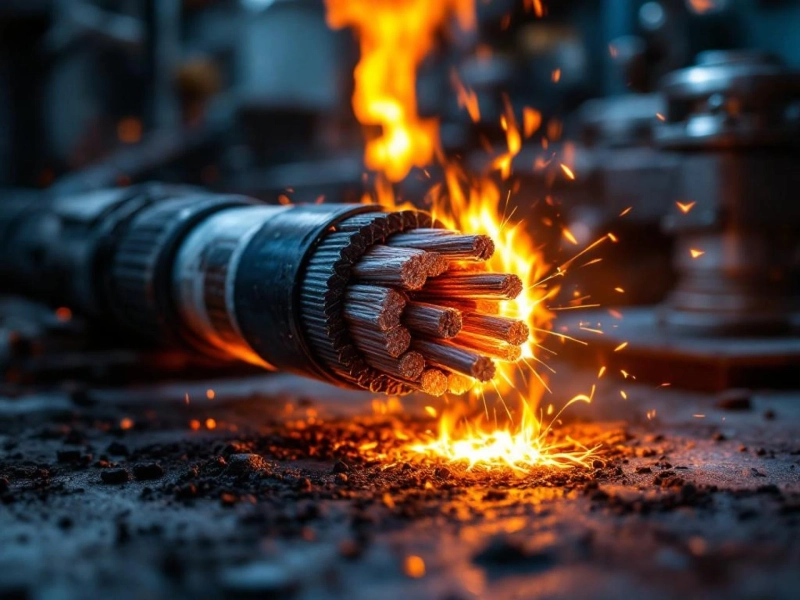
In today's fast-speed construction age, safety is as crucial as design, strength, and economy. Today's buildings are not only bigger and more complex but also accommodate more individuals, equipment, and electrical fittings. Skyscrapers and malls, hospitals and apartments - all of them have their very life in electrical wires. While the boon of electricity powers our lives day by day, it also poses an invisible but real danger: fire.
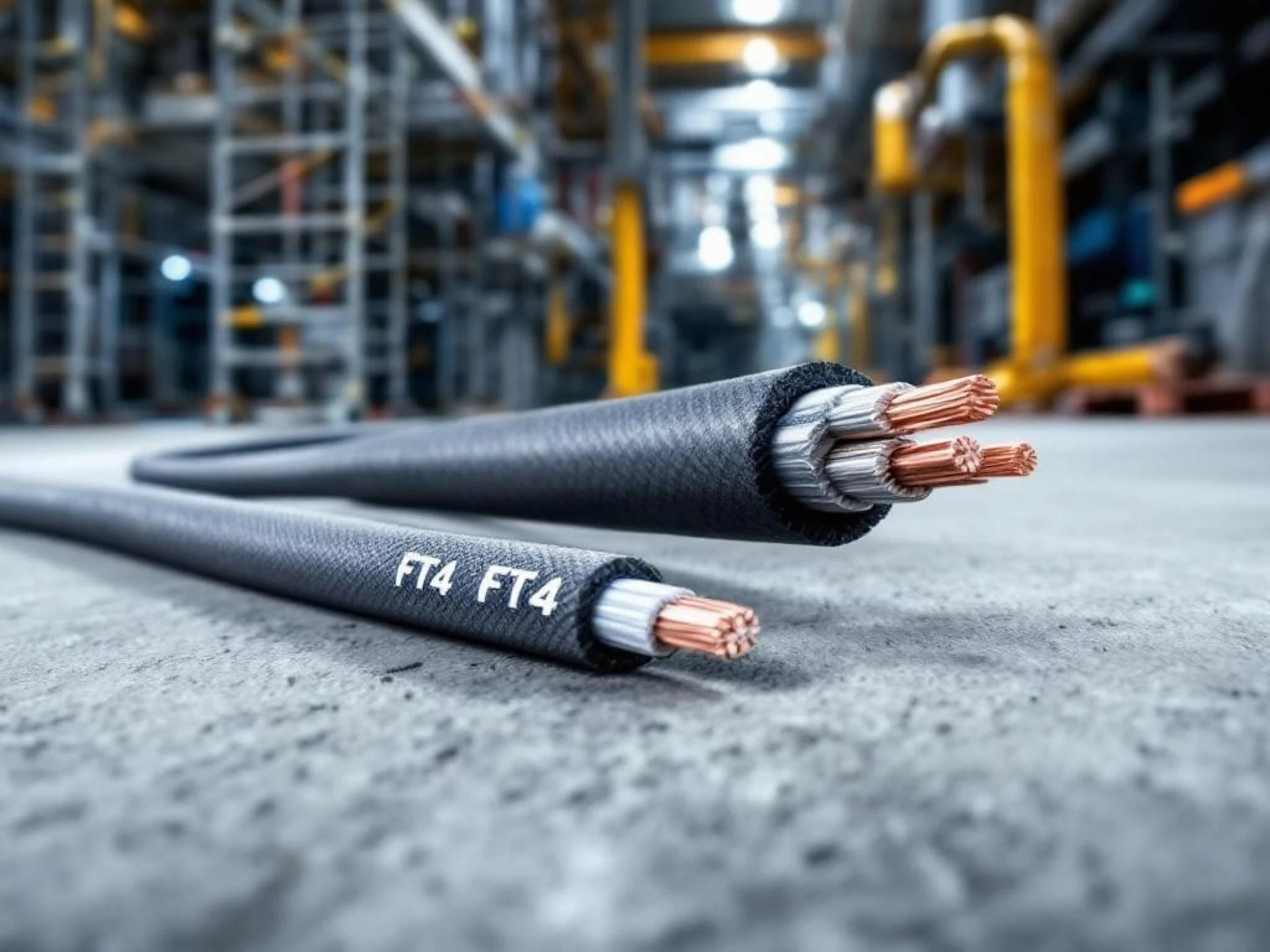
Electrical faults are one of the most common causes of fire occurrence globally. Fire-resistant (FR) cables take centre stage as an unsung hero of safety in contemporary buildings. While standard cables fail to preserve circuit integrity and performance after exposing the cables to heat and fire, Fire Resistant Cables preserve the same even after such exposure. They do not just comply; instead, they provide a vital layer of protection that can safeguard life, prevent loss of property, and deliver business continuity.
In this article, Fire Rated Cable manufacturer will address why fire-resistant cables feature so prominently in construction today, what they accomplish, where they implement them, and what standards they uphold.
The Ever-Rising Need for Fire Protection in Modern Structures
Urbanization and Density
With urbanization reaching new heights, there are skyscrapers and jammed infrastructures in the cities. Under such conditions, it takes only one spark to result in disastrous destruction. Spread is more likely in crowded places, so safe evacuation and early containment are important.
Increasing Electrical Load
The contemporary way of life requires increasing deployment of technology, air conditioning systems, elevator systems, computer servers, medical equipment, and other devices. This means that buildings have to handle enormously heavier burdens of electrical current than ever previously, and this brings with it the threat of overheating, short-circuiting, or failure of insulation.
Regulatory Pressure
Governments and building regulations around the globe nowadays insist on stricter controls as regards fire safety measures. Fireproof cables are increasingly becoming an essential factor in meeting such safety measures, primarily in big installations.
What Makes Fire-Resistant Cables So Special?
Fire proof cables can look no different on a casual glance from normal wires, but under the surface, they're designed differently.
Special Insulation and Sheathing
Cross-linked polyethylene (XLPE), mica tapes, and halogen-free cables constitute fire-resistant cables. They do not allow the fire to spread and can resist extremely high temperatures.
Circuit Integrity In Fire
FR cables versus regular cables, which rapidly melt or ignite, provide a reliable supply of current in the occurrence of fire. This keeps life-saving equipment, sprinklers, fire alarms, emergency lighting, and ventilation ducts operable where it is needed the most.
Low Smoke and Toxicity
They also have fire resistance at elevated temperatures, and furthermore, they themselves are LSZH cables in composition. They emit minimal or no smoke and toxic gases on fire and thus ensure enhanced visibility and reduced opportunities for egress through asphyxiation.
Primary Applications of Fire-Resistant Cables
1. Hospital and Healthcare Facilities
Power availability in hospitals may be a matter of life and death. Fire-resistant cables help ensure that life-saving equipment such as ventilators, ICUs, emergency lighting systems, and fire alarms continue to function in emergencies.
2. High-Rise Commercial and Residential Buildings
Elevators, PA systems, and fire alarms in skyscrapers and residential high-rises heavily depend on them. FR cables keep these running to lead safe evacuation.
3. Transportation Infrastructure
The airports, tunnels, subways, and railways have extremely high fire risks. FR cables provide fire protection for emergency lighting, life communication equipment, and passenger evacuation procedures.
4. Installations
The industrial plants have high-voltage equipment and flammable materials. FR cables reduce deaths and downtime by keeping the firefighting equipment and alarm systems operational.
5. Data Centres and IT Parks
Data centres do not have a minute of power downtime to spare. The FR cables provide for uptime and protection for the mission-critical servers and stores from failure due to fire.
Fire-Resistant Cables Enhance Safety
Saving Human Lives
If there's a fire, panic and confusion can occur rapidly. FR cables ensure that emergency systems will do their job, alarms will sound, exit lights will turn on, and sprinklers will turn on. This will provide individuals with a few extra minutes of time for safe escape.
Preventing Spread of Fire
Cables travel overhead, inside walls, and inside ducts. When normal cables ignite, they will be string-like and travel with the fire from floor to floor. FR cables mitigate the risk with fire barriers.
Maintaining Business Continuity
Fire damage downtime for businesses can be in the millions of dollars. FR cables sustain vital operations long enough for the fire to be extinguished, containing the damage and loss.
Decrease in Toxic Risks
Inhaling smoke is one of the prime causes of death due to fire accidents. LSZH fire-resistant cables have minimal noxious emissions, thereby making escape routes safer for occupants and rescuers also.
Fire Protection Standards and Certifications
Fire performance of cables is tested around the world as per safety specifications. Some of the important parameters are:
- IEC 60331: Specifies circuit integrity in fire.
- IEC 60332: Offers resistance to flame spreading.
- IEC 60754: Performs emission of halogen acids testing.
- IEC 61034: Introduced smoke density testing.
With such endeavours, it is not only that cables are marketed as "fire-resistant" but also that they can operate in actual fire conditions.
Fire-Resistant vs. Flame-Retardant Cables: Understanding the Difference
The majority of people mix up fire-resistant and flame-retardant cables, yet they have different applications
- Fire Retardant Cables: They have been designed such that they will resist fire ignition and flame spread. They will not provide circuit integrity at fire.
- Fire-Resistant Cables: Take it a step ahead in securing electrical supply so that it works even in a fire. Fire-resistant cables are the better option for life safety systems.
Conclusion
Construction these days is not merely about designing useable space but safe space in which human beings can survive, labour, and flourish without fear. Fireproof cables constitute the nucleus of this utopia. Human life is protected by fireproof cables; property is maintained by them, and they allow for effortless operationalization of vital systems in disasters.
Though they would have a slightly higher initial outlay cost, the returns they provide in terms of safety, control, and peace of mind can never be put in terms of money. While urbanization remains on the rise and the intensity of construction remains on the rise, fire-resistant cables would be a "must-have" and not a "good-to-have" infrastructure. By placing fire-resistant cables at the top of consideration during construction, we take a powerful step towards a safer and stronger world.
Also Read: Rubber Cables vs. PVC: Which is Better for Your Electrical Projects?