



Walk onto any modern construction or earthmoving site, and you’ll notice one thing straight away—efficiency rules the day. Deadlines are tighter, costs are scrutinised, and nobody’s got time for double-handling materials. That’s exactly why the excavator sieve bucket is no longer a “nice-to-have” but a must-have. But what’s driving this shift, and why are operators leaning on it more than ever?
What Makes Sieve Buckets Different From Traditional Buckets?
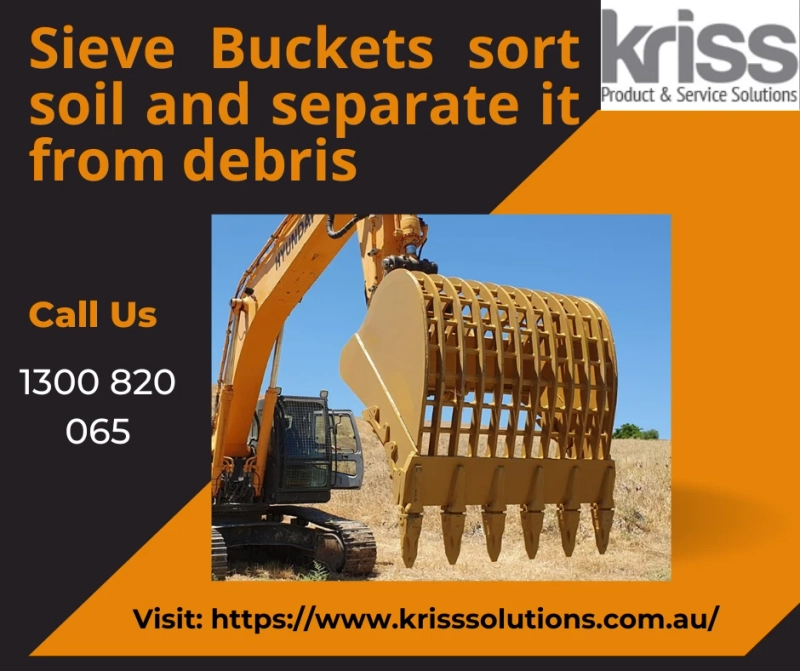
Unlike standard buckets that scoop everything in one go, sieve buckets are designed to sort materials on the spot. Soil falls through, rocks remain behind, and debris is separated without additional equipment. Simple idea, big payoff!
Compared to digging buckets, which are built for speed and penetration, a sieve bucket focuses on precision. It doesn’t just move material—it organises it. And on a busy site, that difference can save hours, not minutes.
Why Is On-Site Material Separation So Important Now?
Here’s the thing—modern projects are all about doing more with less. Less fuel, fewer machines, and minimal waste. Instead of hauling mixed material away for later sorting, operators can screen it instantly.
This approach pairs perfectly with today’s buying trends. Contractors browsing excavator buckets for sale aren’t just looking for toughness anymore; they want versatility. A sieve bucket ticks that box by reducing transport costs, cutting labour, and keeping sites cleaner. Win-win, right?
How Do Sieve Buckets Work Alongside Other Attachments?
No attachment works alone, and that’s where things get interesting. On tough ground, operators often start with an excavator ripper for sale to break compacted soil or rock. Once loosened, the sieve bucket steps in to separate usable material from rubble.
In wet or sticky environments, excavator mud buckets remain essential for moving large volumes quickly. But once the mess needs cleaning up or materials need sorting, the sieve bucket takes over. It’s not about replacing other tools—it’s about working smarter together.
Why Do Operators Trust Sieve Buckets on Modern Sites?
Let’s be honest—nobody enjoys rework. A sieve bucket helps operators get it right the first time. Landscaping, demolition cleanup, roadworks, recycling—these jobs demand clean material, not mixed chaos.
Plus, there’s the sustainability angle. Reusing screened soil and aggregates reduces waste sent to landfills. That’s good for the environment and even better for the budget. No wonder operators swear by it!
Are Sieve Buckets Worth the Investment?
Short answer? Absolutely! While the upfront cost might raise an eyebrow, the long-term savings speak for themselves. Less fuel burned, fewer machines hired, and reduced labour hours add up fast. Before you know it, the bucket’s paid for itself.
And with modern job sites demanding flexibility, sieve buckets are proving they’re not just useful—they’re essential.
Conclusion:
So, why are excavator sieve buckets becoming essential on modern job sites? Because they deliver efficiency, precision, and cost savings in a single rugged attachment. When paired with the right tools—from digging buckets to rippers and mud buckets—they transform how material is handled from start to finish.
In a world where time is money and waste is the enemy, the sieve bucket isn’t just keeping up with modern construction—it’s leading the way.