



The sweltering heat hits you the moment you step into your car, and instinctively, you crank up the air conditioning only to be greeted with lukewarm air that barely makes a difference. Your first thought? "I probably just need to recharge the refrigerant." It's a common assumption, one that many vehicle owners make when their car's cooling system starts underperforming. However, this knee-jerk reaction to a struggling AC system often masks more serious underlying issues that won't be resolved by simply adding more refrigerant to the system.
Understanding why your car's air conditioning fails requires looking beyond the surface-level fix of a refrigerant recharge. While low refrigerant levels can certainly cause cooling problems, they're frequently just a symptom rather than the root cause. When we examine the intricate network of components working together to keep your vehicle's cabin comfortable, we begin to see why a simple recharge might provide only temporary relief or no relief at all.
The Refrigerant Myth: When Adding More Won't Help
Car air conditioning systems are designed as closed loops, meaning they shouldn't lose refrigerant under normal operating conditions. If your system is genuinely low on refrigerant, something has gone wrong. The refrigerant doesn't evaporate or get used up like gasoline; it circulates continuously through the system. When levels drop, it indicates a leak somewhere in the extensive network of hoses, seals, connections, or components that make up your vehicle's climate control infrastructure.
Simply topping off the refrigerant without identifying and repairing the leak is throwing money away. You might experience a few days or weeks of cold air before the refrigerant escapes again, leaving you back where you started. Moreover, repeatedly adding refrigerant to a leaking system introduces moisture and contaminants that can cause additional damage to sensitive components. The compressor, which is essentially the heart of your AC system, can suffer premature failure when forced to operate with insufficient refrigerant or when contaminated refrigerant circulates through it.
The situation becomes even more complex when you consider that modern vehicles use R-134a or the newer R-1234yf refrigerants, both of which require precise amounts to function correctly. Too much refrigerant can be just as problematic as too little, causing excessive pressure that strains seals and connections, potentially creating the very leaks you're trying to avoid.
Electrical Gremlins That Freeze Your Comfort
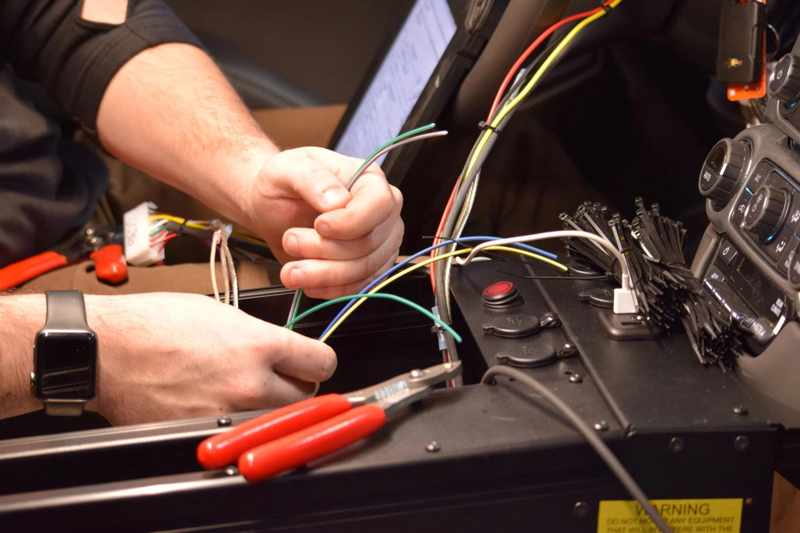
Beyond refrigerant issues lies a realm of problems that no amount of recharging will address. The Air Conditioning & Cooling Electrical components form a sophisticated network that controls when, how, and at what intensity your AC operates. These electrical systems include multiple sensors, relays, fuses, control modules, and wiring harnesses that must all communicate effectively for your AC to function properly.
The climate control module serves as the brain of the operation, receiving input from various sensors throughout your vehicle and making split-second decisions about compressor engagement, blower speed, and temperature regulation. When this module develops faults or receives incorrect information from malfunctioning sensors, the entire system can behave erratically or fail completely. You might notice intermittent cooling, where the AC works perfectly one moment and then blows warm air the next, or perhaps the system refuses to engage at all despite having adequate refrigerant levels.
Temperature sensors, pressure switches, and ambient air quality sensors all play crucial roles in maintaining optimal cabin comfort. A faulty evaporator temperature sensor might cause the system to cycle on and off too frequently, preventing proper cooling. Similarly, a malfunctioning pressure switch designed to protect the compressor from damage might shut down the system prematurely, leaving you sweating despite a fully charged system. These electrical components don't respond to refrigerant recharges; they require proper diagnosis and replacement.
Mechanical Failures That Hide Behind Simple Symptoms
The compressor stands as the most critical mechanical component in your vehicle's air conditioning system, and its failure can mimic the symptoms of low refrigerant. This belt-driven pump pressurizes the refrigerant and circulates it through the system, and when it begins to fail, cooling performance deteriorates progressively. Internal seal failures, bearing wear, or clutch problems can all cause the compressor to malfunction while leaving refrigerant levels seemingly adequate.
A failing compressor might engage intermittently or produce unusual noises like grinding, squealing, or clicking sounds. You might notice that the AC works better at higher engine RPMs but struggles at idle, suggesting the compressor cannot build sufficient pressure at lower speeds. In some cases, a seized compressor can introduce metal shavings and debris into the refrigerant lines, contaminating the entire system and necessitating extensive repairs beyond what a simple recharge could ever address.
The expansion valve or orifice tube, depending on your vehicle's design, regulates refrigerant flow into the evaporator. When these components become clogged with debris or fail mechanically, they restrict refrigerant flow, causing inadequate cooling despite proper refrigerant levels. Similarly, a clogged receiver-drier or accumulator, which removes moisture from the system, can severely impact performance. These components serve as filters of sorts, and once saturated with contaminants, they prevent proper system operation regardless of how much refrigerant you add.
Hidden Blockages and Airflow Restrictions
Sometimes the problem isn't with the refrigeration system at all but with air delivery. Your car's AC system could be operating perfectly, generating frigid air at the evaporator, but if that cold air cannot reach the cabin effectively, you'll still feel uncomfortable. The cabin air filter, often overlooked during routine maintenance, can become severely clogged with dust, pollen, leaves, and debris, restricting airflow to a trickle.
A blocked cabin filter forces the blower motor to work harder while delivering less air, creating a situation where the AC runs constantly but barely cools the cabin. In extreme cases, a completely blocked filter can cause the evaporator to freeze over, further reducing cooling capacity. This frozen evaporator situation creates a vicious cycle where ice buildup blocks airflow, causing even more ice formation until the entire evaporator becomes a solid block of ice.
Evaporator core issues extend beyond freezing. The evaporator itself can develop leaks, corrosion, or biological growth that restricts airflow and reduces heat exchange efficiency. Mold and bacteria growing on the evaporator create not only cooling problems but also health concerns and unpleasant odors. These issues require evaporator cleaning, treatment, or replacement, not refrigerant recharging.
Condenser Problems That Go Unnoticed
Located at the front of your vehicle, typically ahead of the radiator, the condenser releases heat absorbed from your cabin into the outside air. This critical component faces constant bombardment from road debris, insects, salt, and environmental contaminants that can damage its delicate fins and tubes. Physical damage to the condenser reduces its ability to dissipate heat effectively, causing high system pressures and poor cooling performance that won't improve with a refrigerant recharge.
Internally, the condenser can develop blockages from contaminated refrigerant or debris from other failing components. A partially blocked condenser creates excessive back pressure, forcing the compressor to work harder while delivering inferior cooling results. External blockages from accumulated dirt, leaves, or debris pressed between the condenser and radiator create similar problems, restricting airflow and preventing proper heat dissipation.
The Diagnostic Imperative
Professional AC diagnosis involves far more than checking refrigerant pressure. Technicians use specialized equipment to measure system pressures under various operating conditions, monitor electrical signals to and from control modules, inspect components for physical damage, and test individual parts for proper operation. They introduce UV dye to trace leaks, use electronic leak detectors to pinpoint refrigerant escape points, and perform temperature differential tests to assess overall system performance.
This comprehensive approach identifies the actual problem rather than applying band-aid solutions. A proper diagnosis might reveal multiple issues requiring attention, such as a small leak combined with a failing pressure sensor and a clogged cabin filter. Addressing only the refrigerant level while ignoring these other problems ensures continued poor performance and repeated repair expenses.
Conclusion
The assumption that every AC problem stems from low refrigerant oversimplifies a complex system containing dozens of components that must work in harmony. While refrigerant recharging has its place in AC maintenance, it should never be the default solution without proper diagnosis. Understanding that electrical faults, mechanical failures, blockages, and component wear all contribute to cooling problems helps vehicle owners make informed decisions about repairs. When your car's air conditioning underperforms, resist the temptation to seek the quickest, cheapest fix. Instead, invest in comprehensive diagnosis that identifies and addresses the true cause of your discomfort. Your wallet, your comfort, and your vehicle's longevity will thank you for taking the time to solve the real problem rather than repeatedly treating symptoms with temporary refrigerant recharges that fail to address the underlying issues compromising your cooling system's performance and reliability.