


You've probably seen them – those sleek gadgets promising firmer skin, a sculpted jawline, and a youthful glow, all from the comfort of your couch. Facial EMS devices are generating serious buzz, but it begs the question: are they right for you? Let's cut through the hype and talk realistically about who stands to benefit most from this tech, based on skin type, age, and gender.
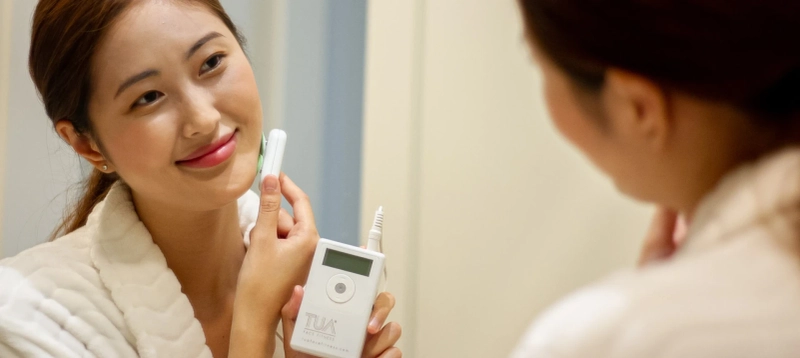
First, a quick recap: Facial EMS devices use gentle electrical currents (Electro Muscle Stimulation) to trigger tiny, involuntary muscle contractions. Think of it like a targeted workout for your facial muscles, aiming to tone, lift, and potentially improve circulation. Unlike lasers or intense radiofrequency, it’s generally considered non-invasive with minimal downtime.
Skin Types: Finding Your Fit
- Normal to Dry Skin: Generally excellent candidates. EMS is gentle and doesn't rely on heat or intense light, making it less likely to irritate or exacerbate dryness. The boost in circulation might even help with a healthy glow.
- Oily/Combination Skin: Also suitable! The focus here is on muscle tone, not oil regulation. Just ensure your skin is clean before use.
- Sensitive Skin: Proceed with caution and patch test. While often well-tolerated, some individuals with highly sensitive skin might experience redness or tingling. Start on the lowest setting and gradually increase only if comfortable. Look for hypoallergenic gel options.
- Acne-Prone Skin: Avoid active breakouts. Using any device over inflamed acne can worsen the situation and spread bacteria. Focus on clearing active acne first. Once skin is calm, EMS might be used cautiously on non-inflamed areas, but consult your dermatologist.
- Rosacea/Couperose: Generally not recommended. The stimulation and potential for increased blood flow can trigger flushing and worsen visible capillaries.
Age Groups: It's More Than Just Anti-Aging
- Late 20s to 30s: This can be a great preventative period. An early start can help to preserve muscle tone and skin elasticity, which may slow the appearance of more pronounced signs of aging. Consider it as exercising your face at a young age.
- 40s & 50s: This is the prime demographic many Facial EMS devices target. Loss of firmness, the development of jowls, and reduced definition are typical concerns in this area. Daily application can aid in lifting, tightening, and enhancing the look of laxity- one more non-surgical weapon in your arsenal. It might just become your best skincare device for tackling early-to-mid signs of aging.
- 60+: May still be beneficial, particularly in terms of circulation and tone. The effects may not be as dramatic as they are on younger users, as the loss of collagen and elastin is significant, but most users see a visible lift and enhance contour. Manage expectations, but don't rule it out.
Genders: Spoiler - It's Mostly Universal!
- Men: Absolutely! Men's facial skin is thicker and has different muscle mass, but the principles are the same. EMS can help define the jawline, reduce the appearance of jowls, and improve overall skin tone. Many men appreciate the non-invasive nature.
- Women: The primary market, but the suitability isn't gender-specific. Women of all ages, particularly those noticing loss of firmness or contour, are key beneficiaries.
Who Should Probably Avoid Facial EMS Devices?
- Pregnant or Nursing Women: Generally advised to avoid due to limited safety data on electrical currents during this period.
- Individuals with Pacemakers or Electronic Implants: Electrical interference is a serious risk.
- People with Epilepsy: Seizure risk exists with electrical stimulation.
- Those with Active Skin Infections, Open Wounds, or Severe Sunburn: Wait until fully healed.
- Metal Implants in the Face/Head: Consult your doctor first.
The Real Talk Takeaway
Facial EMS devices aren't a magic wand, but they are a promising tool for specific goals. They shine brightest for adults (late 20s onwards) with normal, dry, or oily skin who are primarily looking to combat mild-to-moderate loss of firmness, improve facial contour, and boost overall muscle tone. They are mostly compatible with both men and women.
If you fit this profile, have realistic expectations (consistency is key!), and don't have any contraindications, exploring a Facial EMS device could be a valuable addition to your routine. It might just earn its place as your personal best skincare device for achieving that lifted, more defined look. As always, when you have other underlying skin conditions or health issues, a brief consultation with your dermatologist or physician is the wisest first step. You have a personal skin story, and you should select the tools that best fit your needs.