



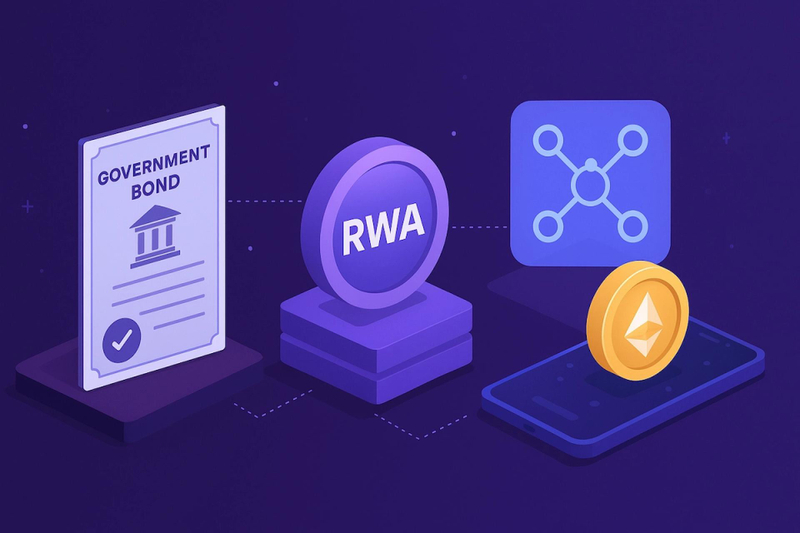
In the rapidly evolving world of digital finance, tokenization of real-world assets (RWAs) has emerged as one of the most transformative applications of blockchain technology. From real estate and art to commodities and private equity, asset tokenization offers liquidity, fractional ownership, transparency, and improved accessibility to traditionally illiquid markets. As adoption surges, businesses and institutional investors are now actively looking for platforms that can offer not only robust tokenization capabilities but also fast deployment—a key differentiator in time-sensitive markets.
The central question many enterprises are asking today is: Which real world asset tokenization platform offers the fastest deployment without compromising on compliance, security, and scalability? This blog explores that question in detail, examining what "fast deployment" really means, what factors influence it, and which platforms are leading the charge.
Understanding Fast Deployment in RWA Tokenization
Fast deployment, in the context of real world asset tokenization, refers to how quickly a platform can take a physical or financial asset and turn it into a fully functional, blockchain-based token that is legally compliant, integrated into a digital wallet ecosystem, and ready for listing, trading, or investment.
This involves several moving parts: smart contract creation, regulatory compliance modules, wallet integration, on-chain/off-chain data syncing, asset validation, investor onboarding, and in many cases, UI customization. The faster a platform can execute these components while maintaining security and adherence to jurisdictional regulations, the more valuable it becomes for fast-paced enterprises and startups.
Fast deployment isn’t just about speed—it’s about pre-built infrastructure, modular architecture, automation, and real-time integration capabilities. These factors dramatically reduce development time and manual errors, allowing users to go to market faster.
Core Components That Affect Deployment Speed
Several elements directly impact how quickly a real world asset tokenization platform can deploy your project. The most critical among them include:
Pre-Built Smart Contracts and Templates
Platforms that offer audited, reusable smart contract templates cut down development time significantly. These contracts, tailored for different asset types—like real estate, art, or bonds—eliminate the need for custom coding from scratch.
No-Code or Low-Code Interfaces
Platforms that come with intuitive, drag-and-drop interfaces allow non-technical users to configure token parameters, mint tokens, and manage asset data quickly. These no-code platforms make tokenization more accessible and drastically shorten deployment timelines.
Compliance Automation
Compliance is a major bottleneck in asset tokenization. Platforms that integrate automated KYC/AML verification, jurisdiction-specific frameworks, and investor qualification checks reduce the legal friction and deployment lag significantly.
API Ecosystem and Integrations
Fast deployment also depends on the platform’s ability to integrate seamlessly with custodians, oracles, payment gateways, identity providers, and secondary markets. A strong API layer accelerates every downstream process.
Token Standards and Interoperability
Support for widely used token standards like ERC-20, ERC-1400 (security tokens), or other blockchain-native protocols ensures your token can be deployed on public or private chains quickly without compatibility issues.
Leading Platforms That Prioritize Fast Deployment
Several real world asset tokenization platforms stand out for their emphasis on quick deployment timelines without sacrificing functionality or security. Let’s examine a few of them:
1. Tokeny
Tokeny, based in Luxembourg, is known for its compliance-focused tokenization framework and rapid deployment capabilities. Their platform is built around the T-REX (Token for Regulated Exchanges) protocol, which includes identity management, compliance rules, and lifecycle automation by default. For businesses looking to tokenize assets like private equity or real estate quickly, Tokeny provides ready-to-use smart contracts and an investor portal that can be customized in days rather than weeks.
2. Polymesh
Polymesh is a blockchain purpose-built for security tokens and known for fast, compliant asset tokenization. What gives Polymesh an edge is its native identity system and governance structure that reduces reliance on external services for KYC, compliance, and settlement. This results in a much faster time-to-deployment, especially for institutional-grade token offerings.
3. Securitize
Securitize offers a full-stack platform for issuing and managing digital securities, with a major emphasis on regulatory automation. It supports both public and permissioned chains, provides APIs for custom integration, and handles KYC/AML checks in-house. Their deployment process is streamlined for speed—from token creation to investor onboarding, allowing projects to launch in a matter of days.
4. TokenForge by Upvest
TokenForge is a lesser-known but highly efficient platform from Upvest that allows for end-to-end issuance of security tokens. With compliance, custody, and secondary market integration already in place, it focuses on removing the complexities of token issuance. Their RESTful APIs allow for integration into existing fintech or banking platforms, ensuring a fast and smooth launch cycle.
5. Brickken
Brickken offers a white-label solution for tokenizing real-world assets and is particularly strong in real estate, collectibles, and crowdfunding sectors. Their platform includes a no-code dashboard where users can create tokens, set compliance rules, and deploy contracts quickly. This self-service capability drastically reduces the back-and-forth between developers and clients, resulting in fast execution.
Key Factors to Consider Beyond Speed
While fast deployment is a major consideration, it should not come at the cost of other essential features. Businesses must evaluate platforms based on the following additional criteria:
- Regulatory readiness in key jurisdictions
- Customization flexibility for complex assets
- Post-launch support for investor management, dividends, or governance
- Security audits and protection against exploits
- Scalability for large portfolios or institutional users
Choosing a platform solely based on deployment speed may lead to compliance issues, technical debt, or poor user experience in the long term. Therefore, a balanced evaluation of speed, security, and sustainability is essential.
Use Case: Tokenizing Real Estate in Under a Week
To illustrate the power of fast deployment, consider a real estate firm aiming to fractionalize a luxury villa into digital tokens and open it up to retail investors. Traditionally, this would involve months of legal structuring, platform development, smart contract coding, and investor onboarding.
Using a platform like Tokeny or Brickken, however, the same firm could upload property documents, configure token details (such as total supply, price per token, dividend model), and onboard investors through a pre-integrated KYC system—all within a matter of 3–5 days.
This dramatic time savings not only improves speed to market but also reduces operational costs and allows the firm to capitalize on favorable market windows.
The Advantage of White-Label Platforms
White-label tokenization platforms are particularly well-suited for fast deployment. These platforms offer branded dashboards, pre-audited token templates, integrated compliance checks, and custodial solutions—all under one umbrella. By removing the need to build and test core components, white-label services let businesses focus on asset strategy and investor engagement, slashing go-to-market timelines from months to mere weeks or even days.
Platforms like Brickken, Securitize, and Upvest's TokenForge offer this modular, plug-and-play architecture ideal for startups, brokers, and fintechs wanting to launch fast with minimal technical overhead.
Conclusion: Fast Doesn’t Mean Rushed—It Means Prepared
The fastest real world asset tokenization platforms are those that are most prepared—with built-in infrastructure, compliance modules, APIs, and scalable architecture. Platforms like Tokeny, Polymesh, and Securitize demonstrate that rapid deployment is not about cutting corners, but about removing friction through innovation and automation.
When choosing a platform, decision-makers should consider how well the system fits their asset type, jurisdiction, investor base, and operational needs. A platform that combines speed, compliance, security, and usability will not only help you launch faster but also scale smarter.