


A smart build begins with one clear choice: which beam will hold weights, stand straight, and save time on site. This article compares engineered LVL products with classic timber to help builders make the best choice for the job at hand. Advanced Timber & Hardware supplies a full LVL range and supports practical decisions for both renovators and contractors.
Strength and Consistency
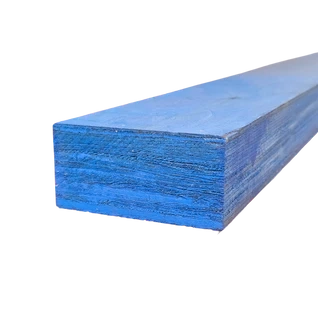
LVL products have uniform strength because manufacturers bond thin veneers together under controlled heat and pressure. That process removes many natural flaws. Builders who specify Engineered Laminated Wood Beams get consistent load ratings and fewer surprises during installation. Solid timber shows variable strength across sections and sometimes requires on-site adjustments.
Dimensional stability during work
Many solid timber beams twist or cup after the moisture and grain are exposed by cutting. On the other hand, laminated wood beams resist movement. Installers say LVL stays straighter, so they reduce trimming and rework. Contractors who use Lvl Timber Beams report faster installs and cleaner finishes.
Span and design flexibility
Designs with long, unsupported spans greatly benefit from LVL. The layered manufacturing gives a high modulus of elasticity, allowing engineers to specify slimmer sections. When architects specify clear lines and longer spans, Engineered Laminated Wood Beams answer these needs without increasing depth. Traditional timber remains better suited to shorter spans, as well as projects where appearance is important.
Cost vs. waste
Upfront cost varies by species and availability. Solid timber sometimes costs less per meter, but it yields more waste when cutters remove defects. In many cases, LVL beams reduce scrap and on-site labour, therefore making them more cost-effective across a full build. Choosing the right beam often saves money through reduced labour hours and fewer material rejects.
Sustainability and sourcing
Manufacturers of LVL use smaller logs and optimise yield. This supports efficient timber use and can reduce pressure on old-growth supplies. Advanced Timber & Hardware lists certified LVL options, supporting customers to choose beams with clear product data. Builders who care about sourcing find LVL a responsible choice, although solid timber still offers a lower processing footprint for local species.
Practical selection checklist
- Verify load requirements with an engineer prior to ordering.
- Choose Engineered Laminated Wood Beams for long spans or heavy loads.
- Use LVL Beams for common framing tasks and joists where appropriate.
- Ask Advanced Timber & Hardware for product datasheets and delivery options.
Sample requests and technical assistance are also available directly to builders. Advanced Timber & Hardware facilitates testing and provides clear documentation of each product.
Conclusion
LVL provides predictable strength, reduced movement, and design freedom. Solid timber has a natural character and can reduce immediate material cost. For projects requiring straight, reliable members over long spans, builders should specify Engineered Laminated Beams.
For general framing and visible timber, the needs of many projects are still met by LVL Timber Beams. Advanced Timber & Hardware supplies both, advises technically, and assists teams in the selection of beams to suit design and budget. Contact them today for fast, reliable delivery and support.