



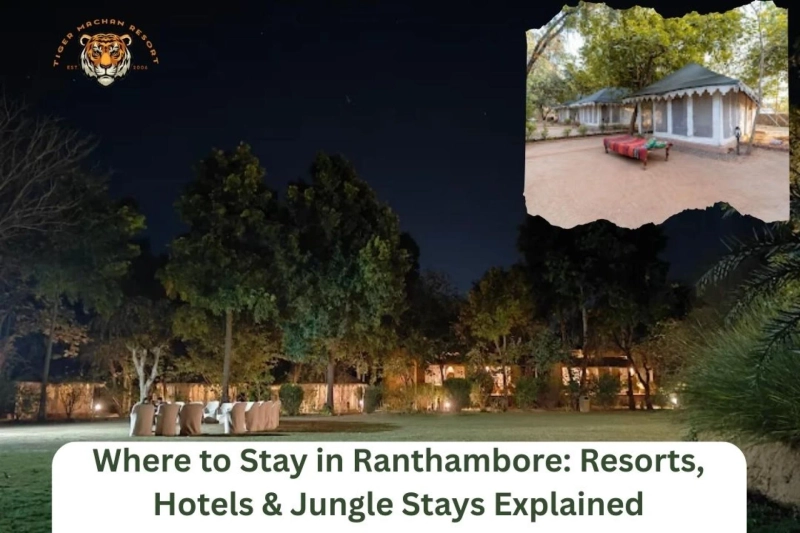
Ranthambore is one of India’s most captivating wildlife destinations, known for its dramatic landscapes, ancient fort ruins, and the possibility of seeing tigers in their natural habitat. While safaris are often the main focus of trip planning, choosing the right place to stay plays an equally important role in shaping the overall experience. Accommodation in Ranthambore ranges from comfortable city hotels to nature-immersed jungle stays, each offering a different way to connect with the region.
This guide explains the various accommodation options available, their locations, and factors to consider before booking, helping you make an informed decision based on travel style, budget, and expectations.
Understanding the Geography of Ranthambore
Before deciding where to stay, it helps to understand Ranthambore’s layout. The area mainly revolves around Ranthambore National Park, with entry gates scattered around its perimeter. Most accommodations are located within a short driving distance of these gates, while others are situated in Sawai Madhopur town.
Staying closer to the park can reduce early-morning travel time for safaris and allow guests to enjoy a quieter, more nature-oriented setting. On the other hand, town-based hotels provide easier access to markets, transportation hubs, and local eateries.
Resorts Near the National Park
Resorts near the forest boundary are among the most popular options for wildlife travelers. These properties are generally designed to blend into the natural surroundings and emphasize an immersive experience rather than urban convenience. Many travelers prefer a Ranthambore National Park Resort because of its proximity to safari gates, landscaped spaces inspired by local architecture, and quieter environment after sunset.
Such resorts typically offer spacious rooms or cottages, open courtyards, walking paths, and views of surrounding hills or forested land. While they may feel secluded, most provide essential comforts and access to guided nature activities. This category suits travelers who want to stay close to wildlife while still enjoying comfort and privacy.
Hotels in Sawai Madhopur Town
For visitors who value accessibility and cost efficiency, hotels in Sawai Madhopur town are a practical option. The town is well connected by rail and road, making it convenient for short visits or last-minute plans. These hotels usually offer standard amenities, easy access to local restaurants, and quick transport arrangements to safari gates.
Town-based hotels may not offer the same natural ambiance as forest-side resorts, but they work well for travelers who plan to spend most of their time on safaris and sightseeing rather than within the property itself.
Jungle Stays and Eco-Lodges
Jungle stays are designed for travelers seeking a deeper connection with nature. These accommodations may include eco-lodges, cottages, or tented camps built using sustainable materials and principles. Power usage, water management, and waste reduction are often factored into their design.
Staying in or near forested surroundings allows guests to observe birdlife, experience quiet evenings, and appreciate the natural rhythm of the region. Jungle stays usually emphasize simplicity and mindfulness, making them ideal for slow travelers, photographers, and nature enthusiasts rather than those looking for extensive luxury facilities.
What Defines the Best Fit for Your Trip?
With so many Places To Stay in Ranthambore, choosing the best one depends on a few key considerations:
- Proximity to Safari Gates: Closer accommodations mean shorter travel times, especially for early-morning safaris.
- Travel Companions: Families, solo travelers, couples, and groups may prefer different types of stays based on space and privacy.
- Length of Stay: Longer stays may benefit from peaceful surroundings, while short visits may prioritize convenience.
- Budget: Accommodation costs vary significantly depending on location, services, and season.
Understanding your priorities ensures that your stay enhances your wildlife experience rather than limiting it.
When to Book and Seasonal Considerations
Ranthambore experiences peak tourist activity between October and April, especially during winter months when wildlife sightings are frequent and weather is pleasant. During this period, accommodations near the park tend to fill quickly, and advance booking is advisable.
The summer months, while hotter, are also popular with serious wildlife enthusiasts. Choosing a stay with shaded surroundings and cooling features can make summer visits more comfortable. During the monsoon season, safari availability may be restricted, and fewer properties operate at full capacity.
Combining Stay and Safari Planning
Where you stay often influences how smoothly you can manage safari logistics. Safari timings are strict, and late arrivals at the gate are not accommodated. Staying closer to the park helps reduce stress and fatigue, especially for morning drives.
Understanding the difference between Jeep vs. Canter Safari in Ranthambore is also useful. Jeeps are smaller and more flexible, often preferred by photographers and small groups, while canters accommodate larger numbers of visitors. Your accommodation staff or travel planner can usually guide you on safari arrangements based on availability and visitor preferences.
Amenities to Consider at Any Stay
Regardless of category, certain facilities add value to a Ranthambore stay:
- Early breakfast or packed meals for morning safaris
- Assistance with safari bookings and local guides
- Quiet outdoor spaces to relax between drives
- Basic medical support or emergency assistance
These features may not be highlighted upfront but can significantly improve comfort during your visit.
Cultural and Natural Experiences Beyond Safaris
Many travelers find that their stay becomes more rewarding when it includes exposure to local culture and history. Some accommodations organize village visits, sessions on Ranthambore’s ecology, or guided walks focusing on flora and birdlife. Staying in quieter surroundings often allows for a more reflective experience during evenings, away from crowds and traffic.
Final Thoughts
Choosing where to stay in Ranthambore is about finding the right balance between location, comfort, and your personal travel goals. Considering factors such as proximity to safari gates and the Best Time for Wildlife sightings can help you decide whether a forest-adjacent resort, a simple town hotel, or a nature-focused jungle stay suits you best. Each option offers a different lens through which to experience this iconic wildlife destination. By understanding accommodation types and planning around your itinerary, you can ensure your stay complements the adventure waiting inside the park.
FAQs
1. Is it better to stay near Ranthambore National Park or in town?
Staying near the park offers easier access to safaris and a quieter environment, while town hotels provide convenience and budget-friendly options.
2. Are jungle stays suitable for families?
Many jungle stays welcome families, but it’s important to check safety arrangements, room configurations, and available amenities before booking.
3. How far in advance should accommodation be booked?
During peak season, booking 1–2 months in advance is recommended, especially for properties close to safari gates.