Piles is a condition many people try to manage on their own for as long as possible. Mild discomfort, occasional itching, or slight bleeding is often ignored or treated with home remedies. However, delaying proper medical guidance can allow the condition to progress silently, making recovery longer and more complicated.
Understanding when to see a doctor for piles is crucial for preventing worsening symptoms and avoiding unnecessary fear of surgery. This article explains how to identify severity levels, when professional help becomes essential, and what treatment options are available—especially from an Ayurvedic perspective.
Why People Delay Seeing a Doctor for Piles
Many patients postpone consultation due to:
- Embarrassment or hesitation
- Fear of surgery
- Belief that piles will heal on its own
- Temporary relief from home remedies
While these reasons are understandable, ignoring persistent symptoms can lead to chronic piles and recurring discomfort.
Ayurveda emphasizes early intervention because treating piles at an early stage is easier, safer, and more effective.
Understanding the Severity Levels of Piles
Piles symptoms progress gradually. Recognizing severity helps determine when medical advice is necessary.
Mild Stage
- Occasional discomfort
- Slight itching
- No significant pain or bleeding
At this stage, lifestyle correction may help, but monitoring is important.
Moderate Stage
- Pain during bowel movements
- Regular itching or irritation
- Occasional bleeding
This is the stage where medical guidance becomes strongly recommended.
Advanced Stage
- Persistent pain
- Frequent bleeding
- Swelling or prolapse
- Difficulty sitting or walking
Delaying treatment at this stage can complicate recovery.
Clear Signs You Should See a Doctor Immediately
You should seek medical guidance if you experience:
- Bleeding that does not stop
- Pain affecting daily activities
- Recurring symptoms despite home remedies
- Constipation lasting several weeks
- Anxiety or fear due to worsening symptoms
Consultation helps identify the exact condition and prevents misdiagnosis.
Why Self-Diagnosis Can Be Risky
Many rectal conditions share similar symptoms. What appears to be piles may actually be fissures or fistula. Treating the wrong condition can delay healing.
Professional evaluation ensures:
- Accurate diagnosis
- Correct treatment direction
- Safe and effective care
This is where ayurvedic medicines for piles play a role when the diagnosis confirms piles and digestive imbalance.
Ayurvedic Approach to Medical Consultation
Unlike quick symptom-based evaluations, Ayurveda focuses on:
- Digestive strength
- Bowel habits
- Lifestyle routine
- Stress levels
- Dosha imbalance
This holistic assessment helps determine not just the severity of piles, but also why it developed.
Treatment Options Based on Severity
Early Stage
- Digestive correction
- Dietary changes
- Lifestyle adjustments
Moderate Stage
- Internal herbal support
- External symptom relief
- Consistent monitoring
Advanced Stage
- Structured long-term treatment
- Strict lifestyle discipline
- Close follow-ups
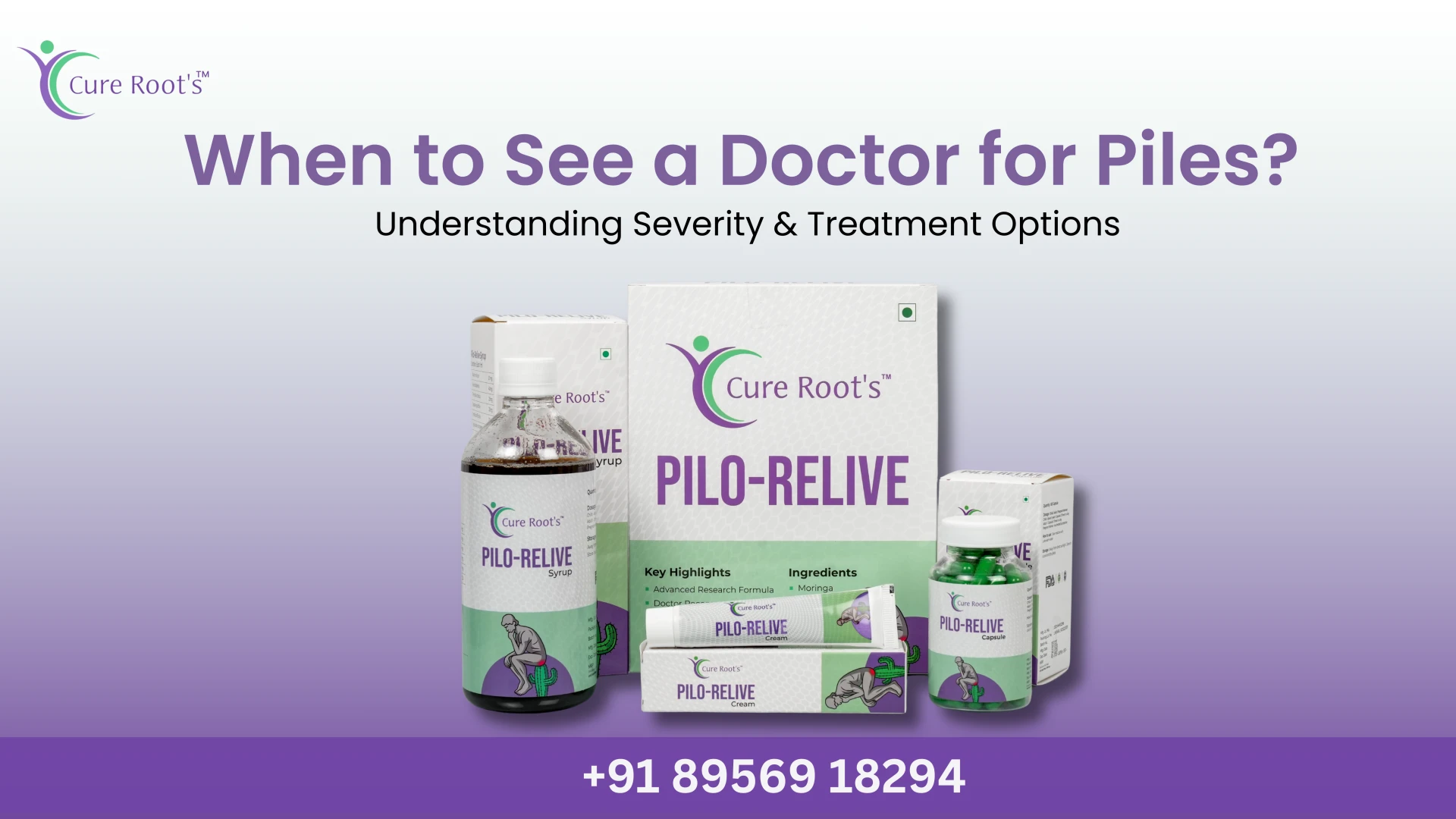
Holistic solutions like the pilo-relieve kit are designed to support multiple stages of care rather than targeting a single symptom.
Why Ayurveda Encourages Early Consultation
Ayurveda believes that piles worsen when ignored. Early consultation allows:
- Faster symptom control
- Prevention of progression
- Avoidance of invasive procedures
- Better long-term results
Seeking guidance early reduces anxiety and builds confidence in recovery.
Role of Digestive Health in Medical Decisions
Persistent constipation is one of the strongest reasons to consult a doctor. Ignoring digestive issues leads to repeated strain and worsening piles.
Ayurvedic piles care prioritizes digestive balance because without correcting bowel habits, symptom relief remains temporary.
Importance of Monitoring Even After Relief
Many patients stop treatment once symptoms reduce. Ayurveda advises continued monitoring to ensure:
- Digestion remains stable
- Bowel movements stay regular
- Lifestyle habits are maintained
Follow-up guidance through free doctor consultation for piles helps prevent relapse. A second free doctor consultation for piles ensures recovery is stable and sustainable.
Emotional Reassurance Matters Too
Fear often prevents patients from seeking help. Ayurvedic care focuses on education rather than pressure, helping patients understand that piles is manageable and not something to fear.
Reputed centers like cure roots focus on transparency, awareness, and long-term wellness rather than quick fixes.
Why Professional Guidance Improves Outcomes
Patients who consult early experience:
- Shorter recovery timelines
- Fewer complications
- Better symptom control
- Lower chances of recurrence
Medical guidance replaces guesswork with clarity.
When Surgery Becomes a Consideration
Surgery is usually considered only when:
- Piles are extremely advanced
- Conservative treatment is ignored for long periods
- Symptoms severely affect quality of life
Ayurveda aims to reduce the need for surgery by addressing piles earlier and holistically.
Making an Informed Treatment Decision
Seeing a doctor does not automatically mean aggressive treatment. It simply means understanding:
- The stage of your condition
- The safest treatment options
- The realistic recovery timeline
This knowledge empowers patients to choose wisely.
Building Long-Term Confidence in Recovery
Once patients understand their condition and treatment path, fear reduces significantly. Education and reassurance are powerful healing tools.
Consistent care, discipline, and awareness make recovery smoother and more predictable.
Conclusion: Don’t Wait for Symptoms to Control Your Life
Knowing when to see a doctor for piles can prevent unnecessary pain, fear, and complications. Early consultation, accurate diagnosis, and holistic treatment lead to better outcomes and peace of mind.
Ayurveda offers a safe, natural, and patient-centered approach—especially when action is taken at the right time.