


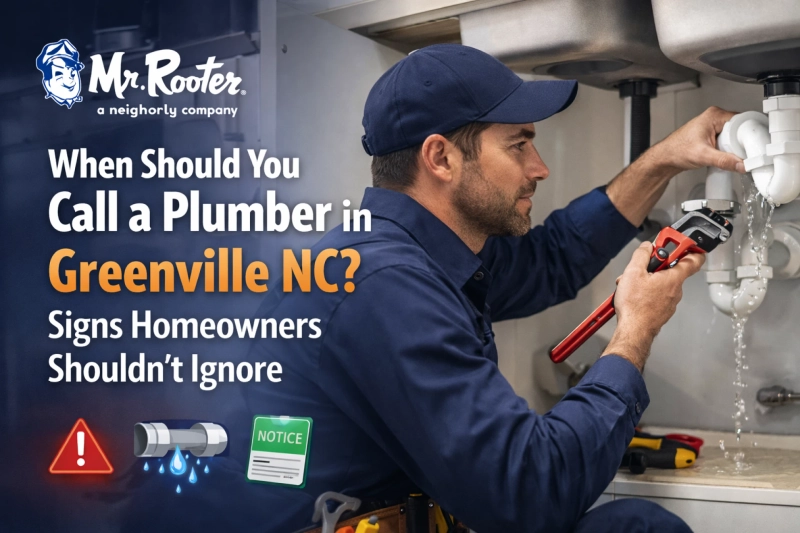
Plumbing problems rarely fix themselves. What often starts as a small inconvenience can quickly turn into water damage, mold growth, or costly repairs if ignored. Many homeowners delay calling a professional because they are unsure whether the issue is serious enough. Understanding when should you call a plumber in Greenville NC can help you protect your home, avoid emergencies, and save money in the long run.
This guide explains the most common warning signs, what a professional plumber does, and why acting early is always the smarter choice. If you are already noticing recurring plumbing issues, working with a trusted Plumber in Greenville NC ensures problems are addressed correctly before they worsen.
Why Knowing When to Call a Plumber Matters
Plumbing systems are complex and hidden behind walls, under floors, and beneath your yard. Small warning signs are often your only clue that something is wrong. Ignoring these signs can lead to structural damage, health risks, and unexpected repair bills. Calling a professional at the right time prevents temporary fixes that often fail and ensures your system remains safe and reliable.
Clear Signs You Need to Call a Plumber
Persistent Drain Clogs
An occasional clogged drain is normal, but frequent clogs in sinks, tubs, or toilets often indicate a deeper problem. Grease buildup, tree roots, or damaged pipes can restrict water flow. When plungers and drain cleaners stop working, it is time to call a professional plumber.
Slow Drains Throughout the Home
If multiple drains are slow at the same time, the issue may be in the main sewer line. This is not a DIY problem and requires specialized tools and experience to diagnose and repair safely.
Low Water Pressure
Sudden or gradual drops in water pressure can be caused by pipe corrosion, hidden leaks, or mineral buildup. Low pressure affects daily tasks and may signal a serious plumbing issue behind the scenes.
Water Leaks or Moisture Damage
Visible leaks under sinks or around fixtures should never be ignored. Damp walls, ceilings, or floors can indicate hidden pipe leaks that lead to mold and structural damage if left untreated.
No Hot Water or Inconsistent Temperatures
If your water heater is struggling to produce hot water, it may need repair or replacement. A licensed plumber can inspect the unit and determine the most cost effective solution.
What Does a Professional Plumber Do?
A professional plumber does more than fix visible problems. They inspect your entire plumbing system, identify hidden issues, and provide long term solutions. Licensed plumbers use specialized equipment to detect leaks, clear sewer lines, repair pipes, and ensure all work meets local plumbing codes. Their goal is not just to fix the problem but to prevent it from returning.
Signs You Need a Licensed Plumber Instead of DIY Repairs
Recurring Plumbing Issues
If the same problem keeps coming back, a temporary fix is not enough. Recurring leaks or clogs usually point to underlying issues that require professional expertise.
Water Stains or Mold Growth
Water stains on walls or ceilings often indicate slow leaks. Mold growth can develop quickly and poses health risks. A licensed plumber can locate and fix the source safely.
Unusual Noises or Odors
Gurgling sounds, sewer odors, or banging pipes are warning signs of venting issues, blockages, or pipe damage that should be addressed immediately.
Common Plumbing Problems in Older Homes
Older homes often have aging pipes made from materials that deteriorate over time. Galvanized steel pipes can corrode internally, reducing water flow and causing leaks. Older sewer lines are also more vulnerable to cracks and root intrusion. Homeowners in older properties should schedule regular plumbing inspections to catch problems early.
DIY Plumbing Mistakes Homeowners Make
Many homeowners attempt DIY plumbing repairs to save money, but these efforts can cause more harm than good.
Common mistakes include overtightening fittings, using chemical drain cleaners that damage pipes, ignoring small leaks, and mismatching pipe materials. These errors often lead to larger repairs and higher costs later. Knowing when to step back and call a plumber is key to protecting your home.
How to Prevent Plumbing Issues at Home
While not all plumbing problems are avoidable, regular maintenance can significantly reduce risk.
Simple prevention tips include avoiding grease down drains, using drain strainers, checking for leaks regularly, flushing your water heater annually, and scheduling routine plumbing inspections. Preventive care extends the life of your plumbing system and minimizes unexpected breakdowns.
Conclusion
Knowing when should you call a plumber in Greenville NC can make the difference between a quick repair and a costly emergency. From persistent clogs and leaks to low water pressure and aging pipes, early action protects your home and your peace of mind. Whether you need repairs, maintenance, or expert advice, Mr. Rooter Plumbing of Greenville is committed to delivering reliable, professional plumbing solutions homeowners can trust.
Frequently Asked Questions
1. When is a plumbing issue considered an emergency?
A plumbing issue is an emergency when it causes active water damage, sewage backup, no water supply, or poses a health risk.
2. Should I call a plumber for a small leak?
Yes. Small leaks often indicate bigger problems and can cause hidden damage if ignored.
3. How often should I have my plumbing system inspected?
Most homes benefit from a professional inspection every one to two years, especially older properties.
4. Can low water pressure be fixed by a plumber?
Yes. A plumber can identify the cause and restore proper water pressure safely.
5. Are DIY drain cleaners safe for pipes?
Frequent use of chemical cleaners can damage pipes and worsen clogs over time.
6. How do I know if my home has outdated plumbing?
Signs include frequent leaks, discolored water, low pressure, and pipes made from older materials like galvanized steel.