



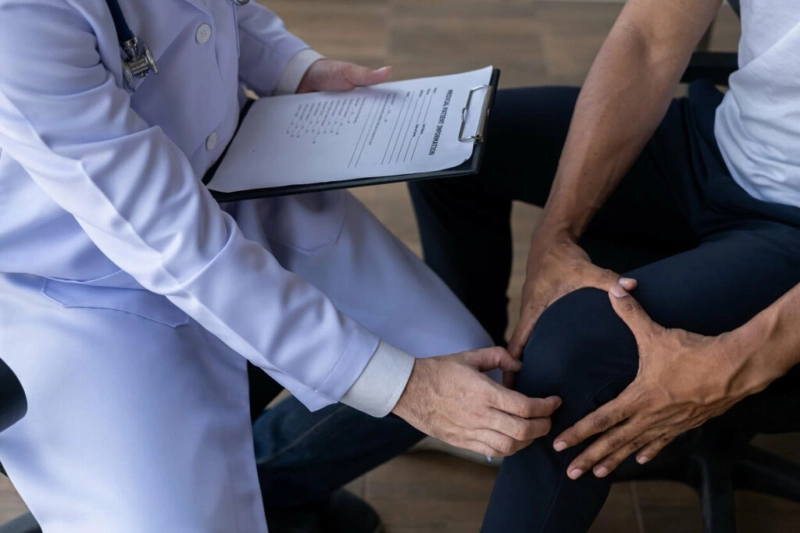
Our bones, joints, and muscles are the framework that allows us to move, stand, and perform everyday tasks. Yet, we often take them for granted—until pain, injury, or stiffness disrupts our normal lives. Orthopedic surgeons are medical specialists who diagnose, treat, and manage conditions related to the musculoskeletal system. But many people are unsure when they should consult one. Understanding the right time to see an orthopedic surgeon can prevent chronic pain, avoid long-term complications, and ensure faster recovery.
Understanding the Role of an Orthopedic Surgeon
Orthopedic surgeons specialize in the musculoskeletal system, which includes bones, joints, ligaments, tendons, muscles, and nerves. Their role extends beyond surgery—they often use non-surgical treatments such as physical therapy, medications, or minimally invasive procedures to restore mobility and relieve pain.
Orthopedic surgeons deal with a wide range of issues, including:
- Bone fractures and dislocations
- Arthritis and joint pain
- Sports injuries
- Back and neck pain
- Tendonitis and ligament tears
- Congenital deformities and degenerative diseases
So, how do you know when your discomfort or injury requires the attention of an orthopedic expert rather than a general physician? Let’s explore the key signs and situations that indicate it’s time to visit an orthopedic surgeon.
1. Persistent Joint Pain or Stiffness
Joint pain that lasts for more than a few weeks, especially if it worsens over time, is one of the clearest signs that you should see an orthopedic surgeon. Chronic pain or stiffness in the knees, hips, shoulders, or other joints may indicate underlying conditions such as osteoarthritis, rheumatoid arthritis, or bursitis.
Early diagnosis is crucial because timely treatment can slow down joint degeneration and preserve mobility. Orthopedic surgeons can recommend lifestyle changes, physical therapy, or, if necessary, joint replacement surgery to help you regain comfort and function.
2. Difficulty in Performing Daily Activities
When pain or stiffness begins to interfere with everyday tasks like climbing stairs, walking, reaching overhead, or even getting out of bed, it’s time to seek professional advice. Reduced range of motion or joint instability are warning signs that your musculoskeletal system is struggling.
An orthopedic surgeon can perform physical examinations and imaging tests to identify the root cause and develop a tailored treatment plan to restore your independence and movement.
3. Chronic Back or Neck Pain
Back and neck pain are among the most common musculoskeletal complaints. While many cases resolve with rest and home remedies, persistent or severe pain could point to more serious issues such as herniated discs, spinal stenosis, or nerve compression.
Orthopedic surgeons who specialize in spine care can evaluate these symptoms using advanced imaging tools and provide both surgical and non-surgical treatments to relieve pain and prevent nerve damage.
4. Recurrent or Severe Injuries
If you have recurring sports injuries or have suffered a serious trauma such as a fracture, ligament tear, or dislocation, you should consult an orthopedic surgeon immediately. Injuries that do not heal properly can lead to long-term instability, weakness, or deformity.
Orthopedic specialists can recommend appropriate rehabilitation, bracing, or surgical procedures to ensure complete healing and reduce the risk of future complications.
5. Visible Deformities or Swelling
Any noticeable deformity, such as a bone protruding abnormally after an accident, or persistent swelling and redness around a joint, should never be ignored. These could signal fractures, dislocations, or infections that need immediate medical attention.
Orthopedic surgeons are trained to handle emergencies involving musculoskeletal trauma, ensuring proper alignment, stabilization, and recovery of affected structures.
6. Pain That Doesn’t Improve with Rest or Medication
If rest, over-the-counter pain relievers, or home remedies fail to reduce pain after a few weeks, it’s a clear indication that the issue may require advanced care. Prolonged pain can stem from inflammation, cartilage damage, or nerve compression—all of which are best managed by an orthopedic expert.
Through a detailed assessment, an orthopedic surgeon can identify the exact cause and provide effective treatments such as steroid injections, physiotherapy, or surgery if required.
7. Limited Range of Motion
If you find it hard to move a joint fully—such as being unable to lift your arm or bend your knee completely—it might indicate cartilage damage or joint degeneration. Orthopedic specialists use imaging techniques like MRI or X-rays to determine the cause of limited mobility and can recommend targeted therapies to improve flexibility and function.
8. Posture Problems or Uneven Gait
Orthopedic surgeons also help patients with posture-related issues or abnormal walking patterns, often caused by spinal deformities, limb-length discrepancies, or hip problems. If left untreated, these can lead to secondary pain in other body parts like the lower back, neck, or knees.
Early consultation ensures proper alignment correction through orthotic supports, therapy, or surgical solutions if necessary.
9. Numbness, Tingling, or Weakness
Numbness or tingling sensations, especially in the arms or legs, may indicate nerve involvement due to a compressed disc or joint misalignment. Weakness or a “giving way” feeling in the limbs can also suggest tendon or ligament injury.
An orthopedic surgeon can perform nerve conduction studies or imaging to pinpoint the issue and prevent long-term nerve damage through timely intervention.
10. When Referred by a General Physician
Often, primary care doctors or physiotherapists refer patients to orthopedic surgeons for specialized care. If your general practitioner suggests an orthopedic consultation, it usually means your condition requires a more advanced or surgical evaluation.
Non-Surgical Treatments Offered by Orthopedic Surgeons
Not every visit to an orthopedic surgeon ends in surgery. In fact, many conditions can be effectively managed with non-surgical methods such as:
- Physical therapy and rehabilitation
- Corticosteroid or platelet-rich plasma (PRP) injections
- Custom braces or orthotics
- Medication for pain and inflammation
- Lifestyle and ergonomic advice
Surgery is usually considered only when these conservative options fail to provide relief or if structural damage is severe.
The Benefits of Early Orthopedic Consultation
Early consultation with an orthopedic specialist has numerous advantages:
- Prevention of worsening conditions: Timely treatment stops progression of diseases like arthritis.
- Faster recovery: Early intervention reduces healing time and complications.
- Improved mobility: Professional guidance helps restore normal movement efficiently.
- Personalized treatment: Every patient receives a care plan suited to their specific needs.
Ignoring musculoskeletal pain for too long can result in chronic disability or irreversible damage, which is why early evaluation is always recommended.
Final Thoughts
Your musculoskeletal health plays a vital role in your quality of life. Whether it’s a lingering joint ache, an injury that doesn’t seem to heal, or persistent stiffness, consulting an orthopedic surgeon can make all the difference. They help diagnose underlying problems, provide advanced treatment options, and ensure you get back to your daily routine without discomfort.
If you’re experiencing any of the symptoms mentioned above, consider seeking help from the Top Orthopedician in Gurgaon, who offers comprehensive orthopedic care—from diagnosis and therapy to advanced surgical solutions. Early action can help you move freely again and live life to the fullest.