



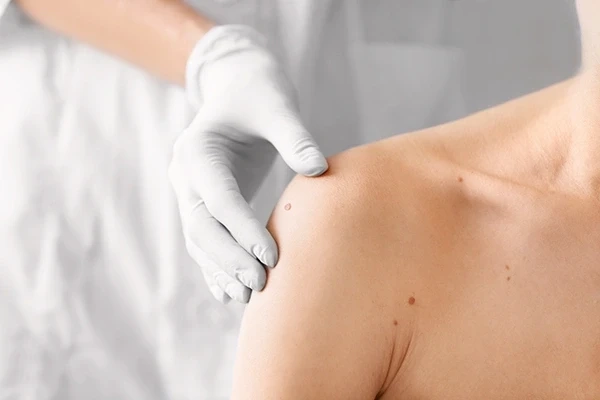
Moles are common skin growths that can appear anywhere on the body. While most moles are benign and harmless, some individuals choose to have them removed for aesthetic reasons or due to concerns about potential health risks. When considering Mole Removal in Abu Dhabi, understanding the different treatment options available can help you make an informed decision about what suits your needs best. This comprehensive guide explores the various mole removal methods, their suitability, and what to expect during the process.
Understanding Moles and Their Significance
What Are Moles?
Moles, medically known as nevi, are pigmented skin lesions that develop when pigment-producing cells called melanocytes grow in clusters. They can be flat or raised, vary in color from pink to dark brown or black, and may be present at birth or develop over time.
Why Do People Choose to Remove Moles?
While many moles are harmless, some individuals opt for removal due to:
- Cosmetic concerns, especially if the mole is prominent or affects self-esteem.
- The desire to prevent potential health issues, especially if the mole shows signs of irregularity.
- Personal comfort or irritation caused by clothing or shaving.
Types of Mole Removal Treatments
Selecting the appropriate treatment depends on various factors, including the mole's size, location, type, and cosmetic preferences. Below are the most common methods used for mole removal.
Surgical Excision
Overview:
Surgical excision involves cutting out the entire mole along with a small margin of surrounding skin. This method ensures complete removal and is often preferred for larger or suspicious moles.
Procedure:
A local anesthetic is administered, followed by the use of a scalpel or surgical scissors to remove the mole. The wound is then closed with stitches, if necessary.
Advantages:
- Complete removal, reducing the chance of recurrence.
- Suitable for larger or irregular moles.
- Allows for histopathological examination if needed.
Ideal For:
Moles that are larger, raised, or have irregular borders.
Shave Excision
Overview:
Shave excision involves removing the mole by shaving it off with a scalpel blade at skin level, leaving the base flush with the skin.
Procedure:
Following local anesthesia, the clinician shaves off the mole with a surgical blade. The area may be cauterized to control bleeding.
Advantages:
- Minimally invasive.
- Quick and usually performed in an outpatient setting.
- Good for flat or raised moles that are superficial.
Ideal For:
Smaller, benign, flat, or raised moles.
Laser Mole Removal
Overview:
Laser removal uses concentrated light beams to target and destroy pigmented cells within the mole.
Procedure:
The laser is directed at the mole, causing the pigment to break down. No incisions are made, and the process is often painless or minimally uncomfortable.
Advantages:
- No cutting or stitches required.
- Minimal scarring.
- Often preferred for cosmetic purposes.
Ideal For:
Small, flat, or pigmented moles with cosmetic concerns.
Cryotherapy (Freezing)
Overview:
Cryotherapy involves freezing the mole with liquid nitrogen, causing it to blister and eventually fall off.
Procedure:
A clinician applies liquid nitrogen directly to the mole using a spray or applicator.
Advantages:
- Quick and minimally invasive.
- Suitable for superficial benign moles.
Ideal For:
Small, benign, superficial moles.
Factors Influencing the Choice of Mole Removal Method
Determining the best treatment involves considering several factors:
Size and Depth of the Mole
Larger or deeper moles may require surgical excision, while smaller, superficial moles are often suitable for shave excision or laser removal.
Location on the Body
Moles in sensitive or highly mobile areas might be better treated with less invasive methods to minimize scarring and facilitate healing.
Appearance and Cosmetic Goals
For those primarily concerned about aesthetics, laser removal or shave excision offers minimal scarring and quick recovery.
Nature of the Mole
If there's suspicion of malignancy or irregularity, surgical excision with histopathological analysis is advisable.
Which Treatment Is Considered the Best?
The most suitable method for mole removal depends on individual circumstances and preferences. Generally:
- Surgical excision is considered the most comprehensive, especially for irregular, large, or potentially problematic moles.
- Shave excision is ideal for small, benign, raised moles that are superficial.
- Laser removal offers a cosmetically appealing option for small, flat, pigmented moles, especially when minimal scarring is desired.
- Cryotherapy is effective for superficial benign moles but less suitable for moles requiring tissue analysis.
Ultimately, consulting with a qualified dermatologist or skin specialist will help determine the most appropriate treatment based on your specific needs.
What to Expect During the Mole Removal Process
Consultation and Evaluation
The process begins with a thorough skin examination. The specialist assesses the mole's characteristics and may perform a biopsy if there's any suspicion of malignancy.
Preparation
Prior to removal, the area is cleaned, and local anesthesia is administered to minimize discomfort.
Removal Procedure
Depending on the chosen method, the removal process can take from a few minutes to around 30 minutes.
Post-Procedure Care
Instructions typically include keeping the area clean, avoiding excessive sun exposure, and monitoring for signs of infection or irritation.
Healing and Recovery
Healing times vary based on the removal method, location, and individual healing response. Most people can resume normal activities shortly after the procedure.
Post-Removal Considerations
While the removal process is straightforward, proper aftercare ensures optimal healing:
- Follow all wound care instructions provided by your specialist.
- Protect the area from sun exposure to prevent pigmentation changes.
- Monitor the site for any abnormal signs, such as excessive swelling, bleeding, or infection.
- Schedule follow-up appointments if necessary, especially if stitches are involved.
FAQs About Mole Removal in Abu Dhabi
1. How long does it take for a mole to heal after removal?
Healing duration varies based on the removal method and the mole's size. Typically, superficial procedures like laser removal or shave excision may heal within a week, while surgical excision might take up to two weeks or more, especially if stitches are involved.
2. Will there be scarring after mole removal?
Most removal methods aim to minimize scarring. Surgical excision may leave a small scar, but techniques such as laser removal or shave excision tend to produce less noticeable marks. Proper post-care can further reduce scarring.
3. Can I remove a mole at home?
Home remedies or over-the-counter products are not recommended for mole removal. Professional removal by a qualified specialist ensures safe, effective, and complete removal, and reduces the risk of complications.
4. How do I know if a mole should be removed?
It's best to consult with a dermatologist if a mole changes in size, shape, or color, becomes painful, or if you have cosmetic concerns. A professional assessment ensures appropriate treatment and addresses any potential health risks.
Conclusion
Choosing the right mole removal Abu Dhabi involves understanding the various available treatments and their suitability for your specific needs. Whether opting for surgical excision, shave removal, laser therapy, or cryotherapy, consulting with an experienced skin specialist ensures a safe and effective procedure. Prioritizing professional care and proper aftercare leads to optimal results, helping you achieve your aesthetic goals and peace of mind.