Polyresin figurines are popular across souvenirs, home décor, and collectible markets. They are valued for their durability, fine detailing, and flexibility in design. Many businesses and designers rely on polyresin figurine manufacturers to turn creative ideas into tangible products that can be produced consistently and at scale.
This article explains how polyresin figurine production works, what manufacturers typically offer, and how companies like Xiamen Rising Chance Co., Ltd. contribute to this industry in a practical and customer-focused way. The goal is to provide clear, educational insight rather than promotion.
What Is Polyresin and Why Is It Suitable for Figurines?
Polyresin is a composite material made from resin mixed with stone powder. It is widely used because it can capture fine details while remaining strong after curing. Compared with ceramic or metal, polyresin allows more freedom in shape, texture, and surface treatment.
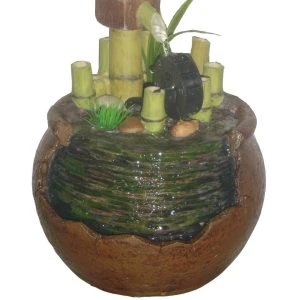
In the polyresin figurine manufacturing process, this material helps create figures with realistic expressions, complex forms, and consistent finishes. This makes it suitable for products such as souvenir statues, magnets, water globes, and decorative figures commonly found in global gift markets.
How Do Polyresin Figurine Manufacturers Develop New Products?
Most manufacturers begin with a design or concept provided by the customer. This may include drawings, reference images, or digital files. Sample development is a key stage, as it ensures the final product meets both design expectations and production requirements.
Xiamen Rising Chance Co., Ltd., established in 2008, has experience with traditional hand-sculpted modeling as well as modern 3D scanning and digital artwork. These methods allow adjustments to be made efficiently, reducing sample time while maintaining accuracy. This balanced approach is common among experienced polyresin figurine manufacturers, as it helps align creativity with manufacturability.
What Quality Control Measures Are Important in Polyresin Figurine Production?
Quality control plays a major role in ensuring consistent results. Polyresin items go through multiple steps, including molding, trimming, assembly, painting, and final inspection. Any defects in early stages can affect the appearance or durability of the finished product.
Manufacturers with established processes carefully follow customer specifications, from material selection to color accuracy. Feedback after shipment is also important. Responsible suppliers review customer responses and address issues promptly, which helps improve future production and long-term cooperation within the polyresin figurines industry.
Can Polyresin Figurine Manufacturers Handle Different Product Categories?
Yes, many manufacturers work across several product types. In addition to polyresin figures, companies may also produce ceramic and metal crafts. This flexibility allows them to support a wide range of souvenir and gift items.
Xiamen Rising Chance Co., Ltd. has experience producing polyresin figures, ceramic mugs, candle jars, magnets, bobbleheads, and even metal items such as toy soldiers and chess sets. This variety helps manufacturers understand different market demands and apply that knowledge when developing new polyresin products.
How Do Manufacturers Balance Design and Mass Production?
One challenge in figurine production is ensuring that a design can be efficiently mass-produced without losing detail. Manufacturers often review designs and suggest adjustments that improve mold stability, reduce breakage, or simplify assembly.
By considering market demand and production feasibility together, a polyresin figurine manufacturer can help ensure that products remain true to the original concept while being suitable for large-scale orders. This approach also supports cost control, which is important for businesses competing in international markets.
What Role Does Communication Play in Manufacturer–Customer Relationships?
Clear communication is essential throughout the production process. From confirming design details to handling post-shipment feedback, effective communication reduces misunderstandings and improves outcomes.
Manufacturers that actively follow up on product performance and customer satisfaction demonstrate accountability. Addressing complaints transparently and promptly helps build trust and ensures continuous improvement, which benefits both sides over time.
Conclusion
Understanding how polyresin figurine manufacturers operate helps businesses make informed sourcing decisions. From material selection and sample development to quality control and mass production, each step contributes to the final product’s success.
Xiamen Rising Chance Co., Ltd., with its experience since 2008, illustrates how a manufacturer can serve customers by combining technical skills, quality awareness, and responsiveness. By aligning product development with customer needs and market expectations, manufacturers can play a supportive and informative role in the global polyresin figurine market.