Hearing connects people to life's simplest moments, laughter, conversation, and the comforting hum of everyday sounds. But when hearing begins to fade, uncertainty often takes its place. What really happens during a visit to a hearing loss treatment clinic? Who conducts the tests? And how can the process help you better understand your hearing health?
For anyone taking the first step toward treatment, knowing what to expect can replace anxiety with confidence. Here's what a first visit typically looks like from the first hello to the moment you walk out with a clearer sense of your hearing health.
The Professionals Behind the Process
A first-time visitor quickly learns that a hearing loss treatment clinic is more than just a testing centre; it's a space where medical precision meets personal care. Patients are welcomed by registered hearing practitioners or audiologists trained to evaluate and manage hearing loss. Their goal isn't to sell; it's to assess, explain, and guide. Before testing begins, the practitioner reviews a brief medical history form and discusses daily listening habits, challenges, and any related health conditions. This helps them tailor the upcoming evaluation to each person's unique needs.
For those who find travel difficult, a mobile hearing clinic offers a practical alternative. These clinics-on-wheels are equipped with professional sound booths and advanced diagnostic tools, ensuring the same level of accuracy and comfort found in permanent facilities. Whether parked in a community centre or small-town health office, mobile clinics bring accessible hearing care to everyone, from busy professionals to seniors in rural areas.
What Happens During the Appointment
A first visit typically includes a complimentary hearing evaluation, providing patients with a comprehensive understanding of their hearing health without the financial barrier of an initial test. The assessment usually unfolds in several clear stages:
- Consultation: The practitioner asks about symptoms, medical background, and everyday listening challenges.
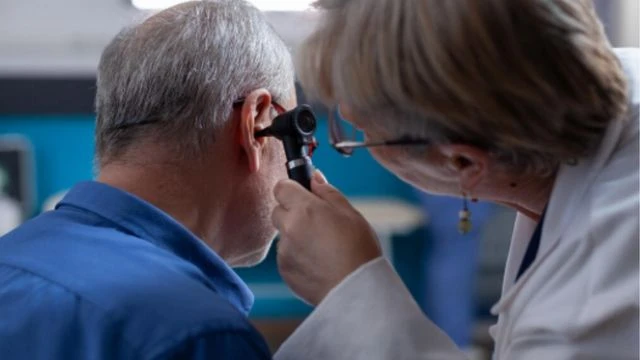
- Ear Examination: Using an otoscope, the examiner inspects the ear canal for wax buildup, infections, or blockages.
- Audiometric Testing: In a quiet, soundproof booth, patients wear headphones and respond to a range of tones and speech patterns to measure hearing thresholds.
- Result Review: The audiogram, a visual graph that shows hearing ability across different frequencies, is explained in plain, relatable terms.
The practitioner may also discuss the role of hearing devices. Many clinics that work within hearing aid Canada programs recommend solutions based on the type and severity of loss. This ensures every suggestion is supported by diagnostic evidence, not guesswork.
When to Schedule an Appointment
Most people delay seeking help until their hearing problems become frustrating. But early testing makes a significant difference. Visiting a hearing loss treatment clinic as soon as symptoms appear allows professionals to identify reversible causes, such as earwax buildup or mild infections, before they worsen.
Here are a few signs it may be time to schedule a visit:
- Conversations feel muffled, especially in noisy rooms
- You often turn up the TV volume
- Family members mention you're missing parts of conversations
- You experience ringing or buzzing in your ears
For many, making a hearing evaluation part of a yearly health routine helps maintain long-term auditory wellness.
Where Modern Care Meets Convenience
Accessibility is a growing priority in Canadian hearing care. A mobile hearing clinic eliminates travel barriers by bringing professional testing directly to local communities. These services are especially beneficial in regions where specialized care is hard to reach.
Mobile clinics typically offer:
- Hearing screenings and educational consultations
- Preliminary testing to determine whether a complete evaluation is needed
- Convenient appointment scheduling close to home
They're a reminder that quality care doesn't have to be confined to big cities or brick-and-mortar clinics. For many rural patients, this flexible model represents the first step toward better hearing.
Why Professional Evaluation Matters
With numerous online tests available, some people wonder if they can skip the in-person clinic visit. But digital screenings only provide a rough estimate. A professional hearing loss treatment clinic utilizes calibrated equipment in controlled environments to detect even the most subtle changes in hearing. A certified practitioner also interprets the results in context, explaining not only the degree of hearing loss but also the underlying causes.
That distinction guides accurate treatment, especially for conditions such as tinnitus or uneven hearing loss between the ears. For those who need hearing devices, modern hearing aids Canada technology offers discreet, comfortable, and highly functional solutions. Many devices now feature Bluetooth streaming, rechargeable batteries, and intelligent noise reduction that automatically adjusts to different environments.
How Treatment and Follow-Up Work
After the initial evaluation, the clinic provides personalized recommendations. If hearing aids are appropriate, the practitioner performs precise fittings using real-ear measurements to ensure optimal comfort and clarity. Follow-up visits fine-tune performance based on daily use and feedback.
Beyond devices, ongoing care often includes:
- Regular check-ups to monitor hearing changes
- Maintenance and cleaning of hearing aids
- Education on safe listening practices and tinnitus management
Those who attend a hearing evaluation are encouraged to return annually to maintain their hearing health. For patients seen through a mobile hearing clinic, results are typically shared with the main audiology team, allowing for seamless follow-up, regardless of where the initial test was conducted.
The Bottom Line
A first visit to a hearing loss treatment clinic isn't about commitment; it's about understanding. The process replaces uncertainty with knowledge, helping patients make informed decisions about their hearing health. Early evaluation is the most effective way to preserve communication, confidence, and connection.
Hearing loss doesn't happen overnight, and neither does recovery, but taking that first step sets everything in motion. For anyone noticing subtle changes or simply seeking reassurance, a hearing evaluation at a local clinic or mobile hearing clinic can provide answers and direction. With advancements in hearing aids, Canada technology and professional support readily available, hearing care has never been more accessible or empowering.