



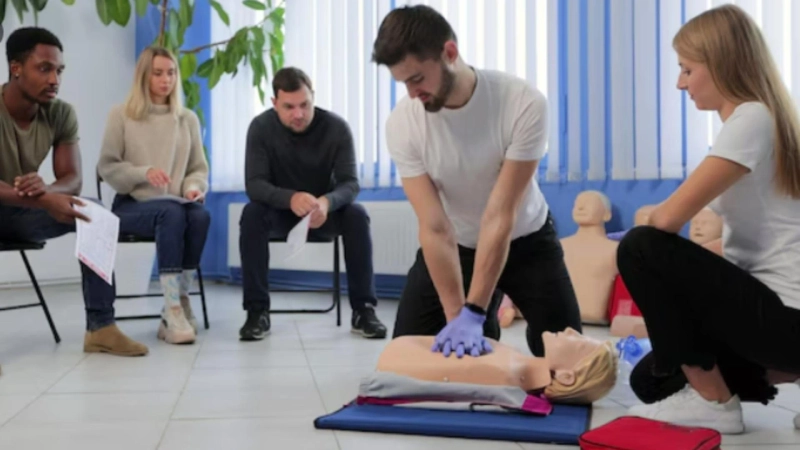
Emergencies do not send alerts. One minute, life feels normal, the next minute, someone needs help to breathe or keep a heartbeat going. Learning CPR puts real power in your hands. Texas CPR certification helps people act fast and stay calm when seconds matter. From parents to teachers to job seekers, many Texans choose CPR training for safety, skill, and peace of mind. The process stays simple, useful, and open to all ages. With the right course, anyone can learn to save a life and feel ready for the unexpected.
Why CPR Training Matters in Texas?
Texas sees busy roads, large schools, sports events, and active workplaces. Medical help may take time to arrive. CPR fills the gap. Early chest pushes and rescue breaths can double survival odds during cardiac arrest.
Many roles also ask for CPR proof. Schools, gyms, clinics, and childcare centers rely on trained staff. Even office jobs may list CPR as a plus. CPR training builds trust and shows care for others.
Who Needs CPR Certification?
CPR training fits many people, not only health workers. Texas law and job rules often guide the need.
Common groups include:
- Teachers and school staff
- Coaches and fitness trainers
- Daycare and camp workers
- Lifeguards and pool staff
- Home caregivers and parents
- Security and safety teams
Even without a job rule, learning CPR stays smart. Family and friends may need help one day.
Types of CPR Courses Available
Courses in Texas come in a few formats. Each one serves a clear purpose:
- Basic CPR suits the public. It covers adults, kids, and infants. AED use often comes with it.
- Healthcare CPR supports nurses, EMTs, and hospital staff. Skills go deeper and include team response.
- Online CPR offers ease. Many people like learning at home. Some jobs accept it, while others need hands-on skill checks.
- Blended courses mix online lessons with in-person practice. This option balances ease and skill.
Before enrolling, check job needs. Some roles require hands-on testing for CPR certification in Texas.
How Long Does Certification Last?
Most CPR cards last two years. After that, renewal keeps skills fresh. Renewal courses move fast and focus on practice.
Skills fade over time. Regular training keeps muscle memory sharp. Many providers send reminders before cards expire.
What to Expect During Training?
CPR classes stay practical. Expect short talks, videos, and hands-on drills. Trainers guide each step and answer questions.
Learners practice:
- Chest pushes with proper depth
- Rescue breaths
- AED setup and use
- Scene safety checks
No prior skill needed. Trainers welcome first-timers and repeat learners. Classes stay friendly and stress-free.
Choosing a Trusted Training Provider
Texas offers many CPR providers. Quality matters. Look for groups with clear course outlines and valid cards.
Good providers use current guidelines and trained instructors. Many follow standards set by national health bodies.
Check reviews and class size. Smaller groups help build skill and confidence. Location and schedule also help with ease.
A solid provider makes Texas CPR certification smooth and worth the time.
Online vs In-Person CPR Classes
Online classes suit busy lives. They offer speed and comfort. Yet some jobs may not accept them.
In-person classes give real practice. Learners feel chest depth and rhythm. This helps build trust in skill.
Blended classes combine both. Many Texans choose this path for balance.
Always confirm which format fits the job rules before signing up for CPR certification in Texas.
Cost and Time Commitment
CPR courses in Texas stay affordable. Basic classes often take two to four hours. Costs vary by course type and provider.
Many employers cover fees. Some community groups offer low-cost or free classes. The value stays high for the price.
Final Thought
CPR skills turn fear into action. Training builds calm, focus, and care for others. Texas CPR certification offers a simple path to life-saving skills. With many course options, anyone can find a fit. Learning CPR today may help save a life tomorrow. The time spent in training often pays back in ways words cannot measure.