



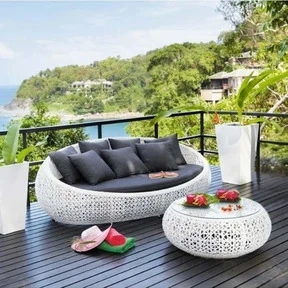
Buying outdoor furniture is an exciting way to upgrade your patio, balcony, garden, or terrace. The right pieces can turn any outdoor area into a relaxing extension of your home. However, choosing furniture for outdoor use is very different from shopping for indoor décor. Weather exposure, material durability, space planning, and maintenance all play an important role. Before making a purchase, here are the most important things you should consider to ensure your outdoor furniture is both stylish and long-lasting.
1. Understand Your Outdoor Space
Before selecting any outdoor furniture, carefully evaluate the space where it will be placed. Is it a compact balcony, a spacious garden, or an open terrace? Measure the area to avoid buying pieces that are too large or too small.
For smaller spaces, foldable chairs, stackable seating, or a compact bistro set may work best. Larger patios can accommodate sectional sofas, dining tables, or loungers. Always leave enough walking space so the area feels open and comfortable rather than crowded.
2. Consider Weather Conditions
Outdoor environments can be harsh. Sunlight, rain, humidity, and dust all affect how well your outdoor furniture holds up over time. Choose materials designed specifically for outdoor use.
If your area gets heavy rain, look for water-resistant cushions and rust-proof frames. In sunny regions, UV-resistant fabrics help prevent fading. For windy rooftops, heavier or anchored furniture is a safer option. Understanding your local weather helps you select pieces that last longer and require less frequent replacement.
3. Choose the Right Materials
Material selection is one of the most important factors when buying outdoor furniture. Each material offers different benefits:
- Metal (aluminum or steel): Durable and sturdy, often powder-coated to resist rust
- Rattan or wicker (synthetic): Stylish and lightweight, great for modern outdoor looks
- Wood (teak, acacia, eucalyptus): Natural and elegant, but may need regular sealing
- Plastic or resin: Affordable, lightweight, and easy to maintain
Think about how much maintenance you’re willing to do and match that with the right material.
4. Comfort Matters Just as Much as Style
Good outdoor furniture should be as comfortable as indoor seating. Look for chairs and sofas with ergonomic designs and supportive cushions. Thick, high-density foam cushions covered in weather-resistant fabric offer better comfort and durability.
If possible, check seat height and depth to ensure it suits your needs. Adding throw pillows and outdoor rugs can also improve comfort while enhancing the overall look of the space.
5. Match Your Home’s Exterior Style
Your outdoor furniture should complement the architectural style and color scheme of your home. Modern homes often look best with sleek metal frames and neutral tones, while traditional spaces pair well with wooden or woven designs.
Consistency in style creates a seamless flow between indoor and outdoor areas, making your exterior space feel like a natural extension of your home.
6. Think About Functionality
How you plan to use your outdoor space should influence your furniture choices. If you love hosting dinners, a sturdy outdoor dining set is essential. For relaxation, consider loungers, daybeds, or a comfortable sofa set.
Multi-functional outdoor furniture can be especially useful in smaller spaces. Benches with storage, foldable tables, or modular seating help maximize usability without overcrowding the area.
7. Maintenance Requirements
Every type of outdoor furniture needs some level of care. Before buying, understand the cleaning and maintenance involved.
Metal frames may need occasional wiping to prevent dust buildup. Wooden furniture may require polishing or sealing. Cushions should have removable, washable covers. Choosing low-maintenance materials can save time and effort in the long run.
8. Storage and Protection
If you live in an area with extreme weather, consider how you’ll store or protect your outdoor furniture. Stackable or foldable pieces are easier to move and store during monsoon or winter seasons.
Furniture covers are also a smart investment. They protect against dust, moisture, and UV rays, extending the life of your outdoor setup.
9. Budget vs. Long-Term Value
It can be tempting to choose the cheapest option, but quality outdoor furniture is a long-term investment. Durable materials and sturdy construction may cost more upfront but save money over time by reducing repair and replacement costs.
Look for a balance between price, durability, and design. Reading reviews and checking warranties can help ensure you’re making a smart purchase.
10. Safety and Stability
Safety is often overlooked when buying outdoor furniture. Make sure tables and chairs are stable on uneven surfaces. For homes with children, avoid sharp edges and ensure swings or hanging chairs are securely installed.
On rooftops or balconies, heavier furniture or pieces with non-slip feet provide better stability, especially in windy conditions.
Final Thoughts
Choosing the right outdoor furniture requires more thought than indoor shopping, but the results are worth it. By considering space, weather, materials, comfort, and maintenance, you can create an outdoor area that is both beautiful and practical. Well-chosen furniture not only enhances your home’s exterior but also provides a relaxing place to unwind, entertain guests, and enjoy fresh air all year round.