



It’s rarely a single answer. More like a chain of small choices that slowly shift how your home feels each day. If you’ve ever walked into a room and felt the air cling to your skin, you already understand how stubborn humidity can be. It affects breathing. Warps furniture. Lets mold move in like it owns the place. So learning to lower humidity in a sustainable way isn’t just about comfort. It’s about keeping your home in good shape for years, maybe longer.
I figured this out by accident. A friend invited me over one afternoon, and the moment I stepped in, the air felt a little dull. A faint musty smell, almost hiding in the background. Later we learned moisture was sneaking in from a few different spots. Fixing it took time. Kind of dragged on. But once the air cleared and the rooms felt lighter, you could sense the whole house relaxing a bit. Humidity control works like that. Slow. Steady. Worth the patience.
Why indoor humidity matters
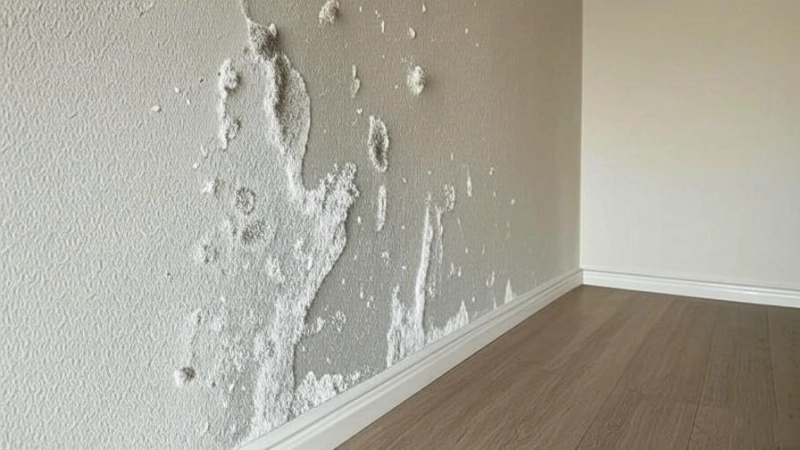
Humidity is really just water vapor floating around in the air. When there’s too much, trouble shows up fast. Mold spreads across corners. Dust mites grow. Anyone with allergies feels it first. Wood swells, paint peels, and the whole house takes on a sticky, tired feeling. Too little humidity isn’t good either, drying out skin, sinuses, and fabrics. Most homes feel best somewhere around thirty to fifty percent. Knowing how to reduce house humidity helps keep it in that range without wasting a ton of energy.
Where the moisture is really coming from
Moisture has a sneaky way of building up. Cooking sends steam everywhere. Long showers fog up mirrors and hallways. Drying clothes inside because it’s raining outside raises humidity quickly. Even plants release moisture into the air. And leaks, even the tiny ones, quietly make everything worse. Spotting these sources is the first step. Not the most exciting job, but once you see them, the solutions come easier.
Letting fresh air do the heavy lifting
One of the simplest fixes? Airflow. Open a window after cooking or showering and the whole room shifts. Exhaust fans in bathrooms and kitchens push steam out before it settles. Attic and crawl space vents matter more than most folks realise. And if your weather stripping is worn, humid air just slips right in. Good ventilation lowers moisture without relying too much on machines.
Natural materials that pull moisture in
Some things in your home quietly help. Silica gel packets tucked in drawers or closets. Charcoal briquettes that absorb moisture and clear odors. Certain plants, like Boston ferns or peace lilies, that drink in humidity while freshening the air. Each one makes a small difference. Together, they calm stubborn damp spots.
A sustainable air purifier for the entire house
Sometimes humidity refuses to move. That’s when a whole-house air purifier designed with efficiency in mind becomes useful. These systems filter out mold spores, allergens, and moisture-related particles. Many have sensors that adjust automatically, so energy isn’t wasted. A well-built air purifier for entire house setup, like the ones from Ventis, balances clean air with smart, eco-friendly operation, keeping humidity stable across the whole home instead of just one room.
Daily habits that keep humidity in check
Small habits matter. Cover pots when cooking. Keep lids on aquariums. Wipe down window condensation before it drips. Try not to dry clothes inside unless you must. Fix leaks as soon as you notice them, even if they look harmless. These habits cut down moisture before it spreads.
Insulation and moisture barriers
If your home isn’t supporting the process, humidity becomes harder to manage. Vapor barriers in basements stop damp air from creeping up. Better insulation reduces the temperature swings that cause condensation. Sealing gaps around vents and pipes keeps outdoor humidity from sneaking in. These improvements last years, making long-term control easier.
Smart tools that adjust for you
Modern smart systems track humidity in real time. They activate ventilation or purification only when needed. Ventis integrates this tech into their systems, letting you keep the air balanced without constantly thinking about it.
Sustainable ways to reduce house humidity
Reducing house humidity sustainably isn’t about finding one perfect trick. It’s a mix of airflow, small habits, natural materials, and sometimes advanced tools like a whole-house purifier. Ventis ties these pieces together with systems built for cleaner, more comfortable living. With the right approach, your home stays dry, fresh, and easier to breathe in, without feeling like you’re fighting the air every day.