



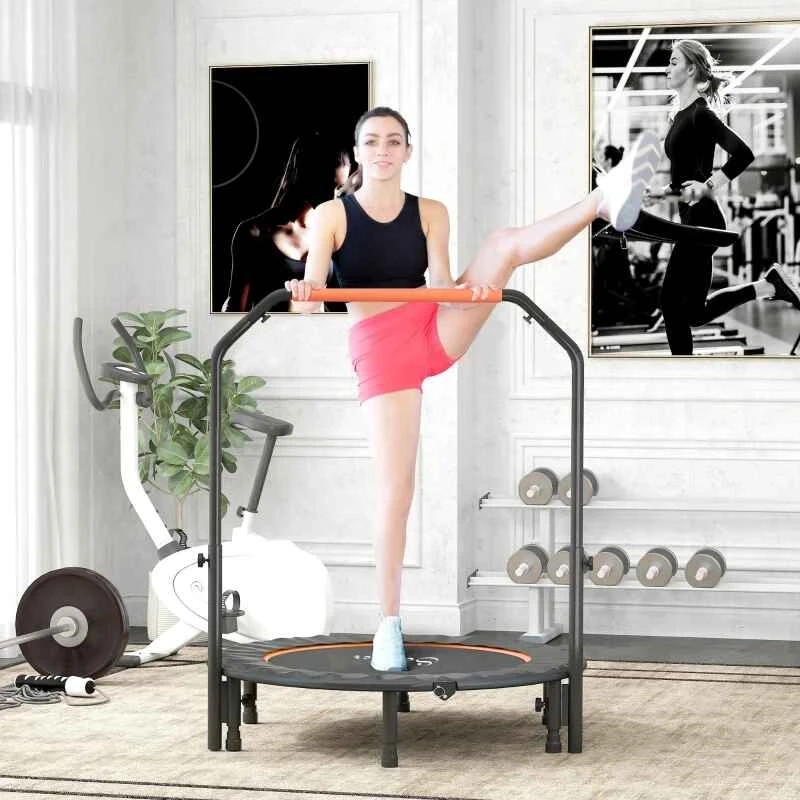
Trampolines are a great way to get the family moving and having fun together. Whether you're looking to get your kids more active or just need a fun backyard feature, choosing between an indoor or outdoor trampoline can be a bit tricky. Both types of trampolines offer unique advantages, but understanding their differences will help you make the best decision for your family.
Indoor Trampolines: Ideal for Limited Spaces
Indoor trampolines are designed for those who want to enjoy jumping inside, away from the elements. If you’re dealing with limited outdoor space or want to make sure your kids can have fun regardless of the weather, an indoor trampoline might be the perfect solution.
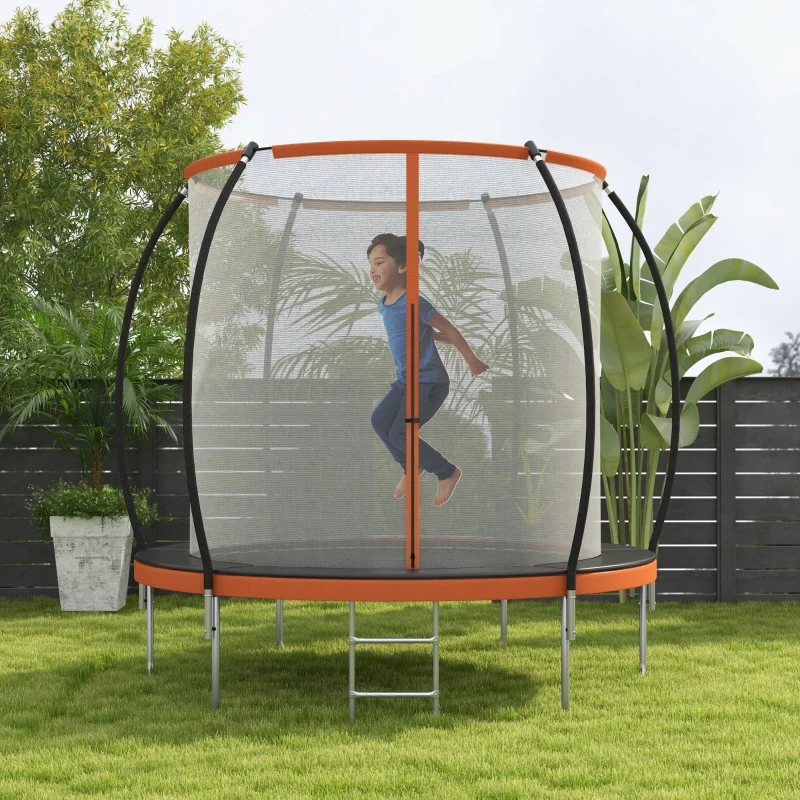
Pros of Indoor Trampolines:
- Weatherproof: One of the biggest advantages of indoor trampolines is that they can be used year-round. Rain, snow, or extreme heat won’t affect your playtime, making them perfect for any season.
- Space Saving: Indoor models are often compact and designed to fit in smaller areas. This makes them a great option for apartments, small homes, or rooms that need a bit of extra fun.
- Safer for Younger Kids: Most indoor trampolines come with safety nets, cushioned frames, and low height, making them a good choice for younger children. The controlled environment minimizes risks of falling or injury.
Cons of Indoor Trampolines:
- Limited Jump Space: Indoor trampolines tend to be smaller than their outdoor counterparts. While they’re fun for kids, they might not offer the space required for larger jumps or for multiple kids to play together at once.
- Floor Damage: Without a protective mat underneath, the trampoline could damage your flooring. If you have hardwood, tile, or carpet, it’s something to keep in mind when setting up the trampoline.
- Lower Height: Indoor trampolines generally offer lower bounce heights compared to outdoor ones. This may limit the excitement factor for older kids or those who are used to higher jumps.
Best For:
- Families in apartments or homes with limited outdoor space
- Younger children who need a safe and contained play area
- Year-round use, especially when weather conditions make outdoor play difficult
Outdoor Trampolines: The Ultimate Backyard Play
If you have a bit more room and want a trampoline that’s capable of providing hours of jumping fun, an outdoor trampoline might be the right choice. These models are designed for larger spaces, typically your backyard or garden, and offer more thrilling experiences.
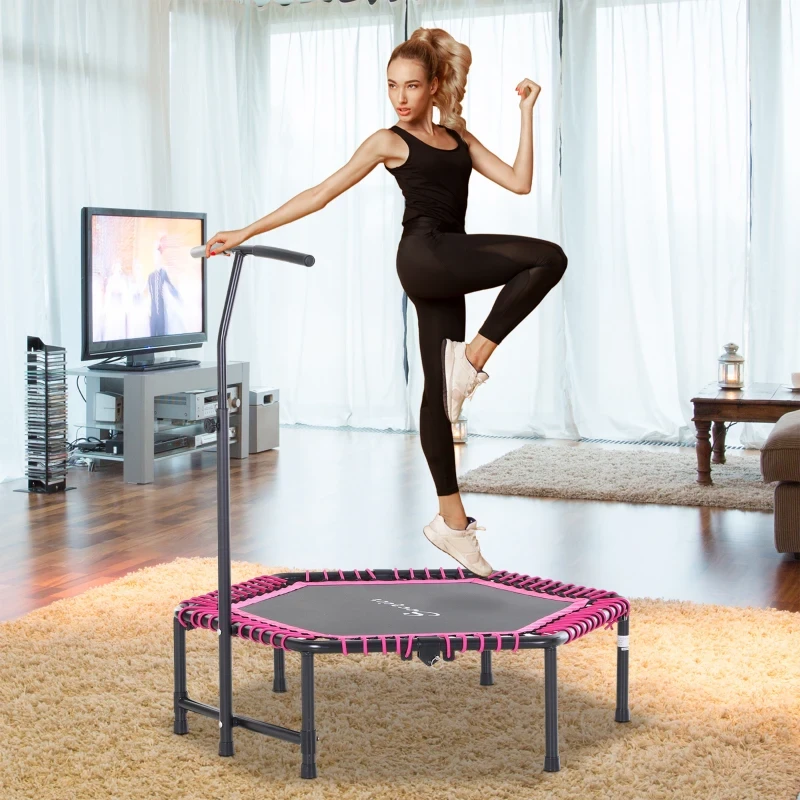
Pros of Outdoor Trampolines:
- Larger Size: Outdoor trampolines come in a wide range of sizes, giving kids more space to jump, tumble, and flip. The larger size is great for older children, teens, or adults looking to enjoy some jumping fun.
- Better Bounce: Thanks to their larger frames, outdoor trampolines usually provide a higher bounce. This means greater jump heights, more excitement, and a fun challenge for everyone.
- Great for Socializing: Outdoor trampolines are ideal for family gatherings or parties. With the ample jumping space, multiple kids can play together, making it perfect for social occasions.
Cons of Outdoor Trampolines:
- Weather Exposure: One of the main drawbacks of outdoor trampolines is that they’re exposed to the elements. Over time, rain, snow, and direct sunlight can cause wear and tear, leading to the need for maintenance or covers to protect it.
- Requires More Space: Unlike indoor trampolines, outdoor models require a decent-sized yard or garden. If you have a small outdoor space, this may not be the best option.
- Safety Concerns: Outdoor trampolines can pose more safety risks, especially without proper precautions such as safety nets or padding. It’s essential to ensure your trampoline has a net enclosure and is set up in a safe area free from obstructions.
Best For:
- Families with a large yard or outdoor space
- Older kids, teens, and adults who want more jumping space and height
- Those who want a trampoline for family gatherings, outdoor parties, or social play
Indoor vs Outdoor Trampolines: Which Should You Choose?
Deciding between an indoor or outdoor trampoline depends largely on your available space, your family's needs, and how you plan to use the trampoline. If you’re looking for something compact, safer for younger children, and usable year-round, an indoor trampoline is your best bet. On the other hand, if you have the space and want a trampoline with more jumping height and the potential for social gatherings, an outdoor trampoline would be the better choice.
Safety First: Regardless of which option you choose, safety should always be a priority. Be sure your trampoline has proper safety features such as a padded frame, safety net, and sturdy construction to minimize any risk of injury.
Choosing the Right Fit
Both indoor and outdoor trampolines can provide hours of fun for your family, but understanding the pros and cons of each will help you make an informed decision. Whether you’re looking for something compact and safe for indoors or an exciting backyard activity, the right trampoline can provide entertainment and fitness benefits for everyone.
FAQs
1. Can I use an indoor trampoline outdoors on sunny days?
Indoor trampolines are not designed for outdoor use. Exposure to sunlight and weather can damage the materials, so it's best to keep them indoors.
2. How can I keep my outdoor trampoline stable during high winds?
Anchor your trampoline to the ground with a trampoline anchor kit to prevent it from shifting or tipping over during windy conditions.
3. What’s the ideal age for children to start using an indoor trampoline?
Indoor trampolines are typically safe for children aged 3 and up. However, always supervise them and ensure the trampoline has safety features like a net or padding.