



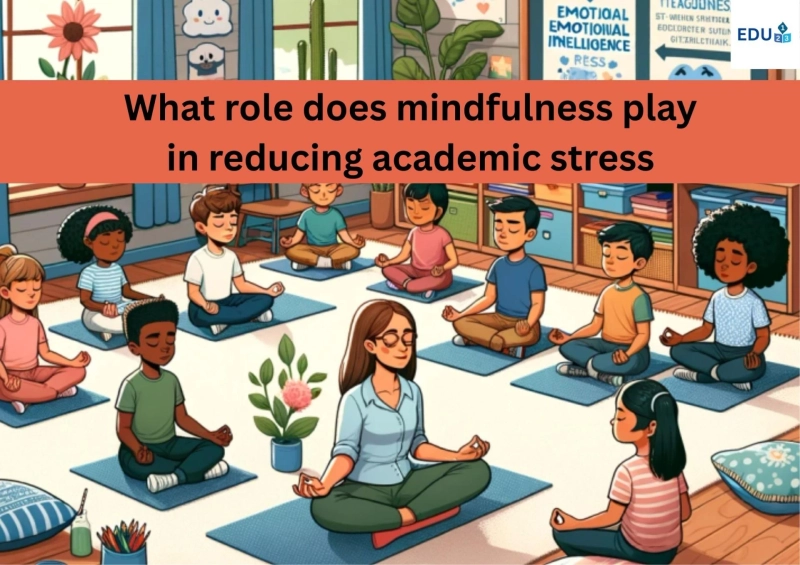
In today’s fast-paced academic environment, stress is almost inevitable. Students juggle tight deadlines, competitive performance expectations, and extracurricular responsibilities, which can quickly take a toll on their mental well-being. For example, learners in girls boarding schools in Dehradun often face a structured schedule that demands constant focus.
While such routines can nurture discipline, they can also lead to stress if not balanced with healthy coping strategies. This is where mindfulness steps in as a powerful tool to help students stay present, reduce anxiety, and build resilience.
Mindfulness is more than just meditation; it’s the practice of staying aware and engaged in the present moment without judgment. It trains the mind to focus on “now” rather than getting lost in past regrets or future worries.
Research has shown that students who practice mindfulness experience reduced stress levels, better emotional regulation, and improved concentration. Whether through short breathing exercises, mindful walking, or guided meditation, the benefits extend beyond academics into overall mental wellness.
Why Mindfulness Helps Reduce Academic Stress
- Promotes mental clarity: Helps students make better decisions under pressure.
- Improves emotional regulation: Reduces anxiety and negative thinking patterns.
- Boosts focus: Enhances attention span during study sessions and exams.
- Encourages healthy coping: Provides non-destructive ways to manage stress.
Short, daily mindfulness sessions—just 5–10 minutes—can make a significant difference. The practice teaches students to acknowledge their thoughts without getting carried away by them, which reduces mental clutter. This is especially beneficial during exam periods when pressure is at its peak.
Mindfulness in Academic Settings
Many schools have started integrating mindfulness programs into their curriculum. Teachers report that mindful practices not only improve classroom focus but also create a more positive learning environment. For boarding school students, where personal time can be limited, mindfulness becomes a valuable life skill. It allows them to slow down, reflect, and manage their emotions more effectively—leading to better academic and personal outcomes.
How Students Can Practice Mindfulness Anywhere
- Begin mornings with a few minutes of deep breathing.
- Practice mindful listening during conversations.
- Use short breaks to observe surroundings and relax.
- Keep a gratitude journal to focus on positives.
Even students who initially find it difficult to “quiet the mind” often notice improvements after consistent practice. Over time, mindfulness shifts from being a separate activity to a natural way of living—reducing stress before it even escalates.
The Long-Term Benefits
The impact of mindfulness is not limited to academic years. It prepares students to handle future workplace challenges, relationship pressures, and life changes with greater composure. By fostering emotional intelligence and self-awareness, mindfulness lays the foundation for a healthier, more balanced future.
Conclusion
Mindfulness is not a quick fix, but rather a sustainable practice that empowers students to navigate academic stress with clarity and confidence. From boosting focus to promoting emotional stability, its benefits are far-reaching. As schools and parents recognize its value, integrating mindfulness into daily routines could become one of the most effective strategies for nurturing the next generation’s mental well-being.