



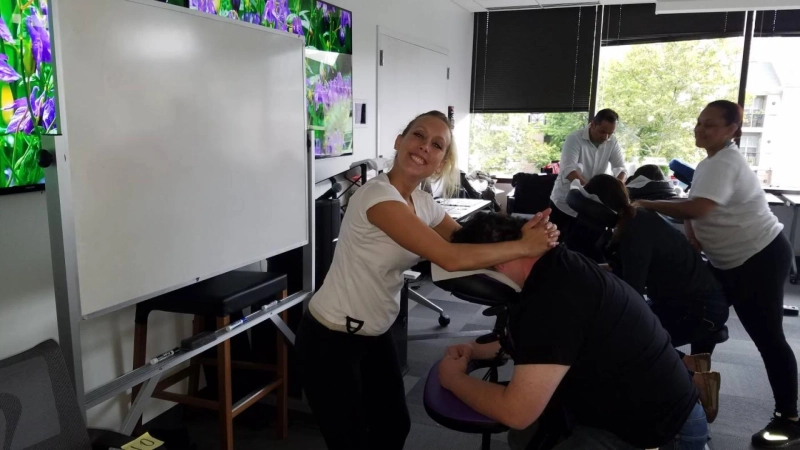
Prevention rarely begins in a clinic. It begins with awareness, access, and small moments of insight that shape future choices. Health Fairs exist in that in-between space, where information meets everyday life without pressure or urgency. They create opportunities for people to pause, observe, and reflect on their well-being before problems escalate. Rather than responding to illness, prevention focuses on foresight. Understanding how these gatherings contribute to long-term health reveals why they continue to hold relevance in an ever-evolving wellness landscape.
Prevention Starts With Visibility
Many health concerns go unaddressed simply because they remain unseen. People often overlook early signs, not out of neglect, but due to lack of exposure to relevant information. Preventive care thrives when knowledge is visible and approachable.
In professional environments, this visibility often intersects with broader initiatives such as corporate events, where wellness is integrated into existing structures rather than treated as a separate obligation. These settings allow preventive concepts to surface naturally, encouraging participation without the weight of formality.
When information feels accessible, curiosity replaces hesitation. That shift alone can change long-term outcomes.
The Informal Power of Shared Spaces
Prevention benefits from relaxed environments. When learning occurs outside clinical walls, people tend to engage more openly. Questions surface. Conversations unfold organically. There is room for reflection.
This is where Health Fairs demonstrate their unique strength. They invite exploration without commitment, offering individuals the freedom to engage at their own pace. The absence of urgency makes space for understanding rather than reaction.
Such environments mirror the growing interest in flexible wellness experiences, including trends like Massage House Calls, which reflect a broader desire for health support that fits into real life rather than disrupting it.
Bridging Knowledge Gaps Before They Widen
Preventive care is often delayed because people are unsure where to begin. Too much information can be just as limiting as too little. The value lies in guidance that feels relevant and timely.
In organizational settings, corporate events frequently serve as platforms for introducing wellness concepts in manageable ways. These moments do not aim to solve everything at once. Instead, they plant ideas that continue to grow afterward. By offering context rather than directives, prevention becomes less intimidating, and more sustainable.
Why Timing Matters in Prevention?
The effectiveness of prevention often depends on timing. Early awareness allows individuals to adjust habits before patterns become ingrained. Delayed insight, on the other hand, can lead to reactive decisions rather than thoughtful ones.
This is why Health Fairs remain impactful. They intersect with people’s lives before a crisis forces attention. The conversations that happen there often influence future choices quietly, over time.
Preventive strategies work best when they respect personal readiness, meeting people where they are rather than where they “should” be.
Wellness as a Cultural Signal
Prevention is not only personal; it is cultural. When organizations prioritize well-being, they send a signal about values. This signal shapes behavior subtly but consistently.
Within corporate events, wellness initiatives often reflect a broader shift toward balance and sustainability. These moments normalize conversations around health without isolating them as problems to be fixed. The result is a culture where prevention feels like participation, not obligation.
Expanding the Definition of Care
Modern prevention is no longer limited to screenings or checklists. It includes stress management, recovery, and lifestyle balance. As definitions of care expand, so do the settings in which prevention occurs.
Services such as Massage house calls highlight how wellness is moving toward personalization and accessibility. This shift mirrors the broader preventive philosophy: reduce barriers, increase comfort, and encourage consistency. When care adapts to real-world rhythms, prevention becomes practical rather than aspirational.
The Long-Term Influence of Early Exposure
Preventive moments rarely produce immediate results. Their value lies in what happens later. A remembered conversation. A recognized symptom. A change made sooner rather than later.
Through repeated exposure, Health Fairs help normalize attention to health before urgency arises. They reinforce the idea that prevention is an ongoing process, not a one-time decision. This slow influence often proves more effective than reactive interventions.
Balancing Information With Autonomy
Effective prevention respects choice. People are more likely to act on information when they feel ownership over their decisions. Overloading or pressuring undermines that autonomy.
In professional contexts, corporate events that integrate wellness thoughtfully tend to foster trust rather than compliance. This trust encourages reflection, which is essential for meaningful preventive action. Prevention thrives when guidance supports independence rather than replaces it.
Prevention as a Forward-Looking Practice
At its core, prevention is about anticipation. It asks what might be improved today to reduce challenges tomorrow. This mindset shifts focus from fixing to sustaining.
Flexible wellness approaches, including options like Massage house calls, illustrate how prevention is adapting to modern expectations. Care no longer demands disruption; it integrates seamlessly. This adaptability strengthens preventive practices across diverse settings.
Conclusion
Prevention unfolds quietly, shaped by access, timing, and understanding. Health Fairs play a meaningful role by creating space for awareness before urgency takes hold. Their influence extends beyond a single moment, informing choices that surface later in subtle but lasting ways. As wellness continues to integrate into everyday environments, including evolving Corporate Events, prevention becomes less about reaction and more about readiness. The future of health depends not on louder interventions, but on earlier, more thoughtful ones.