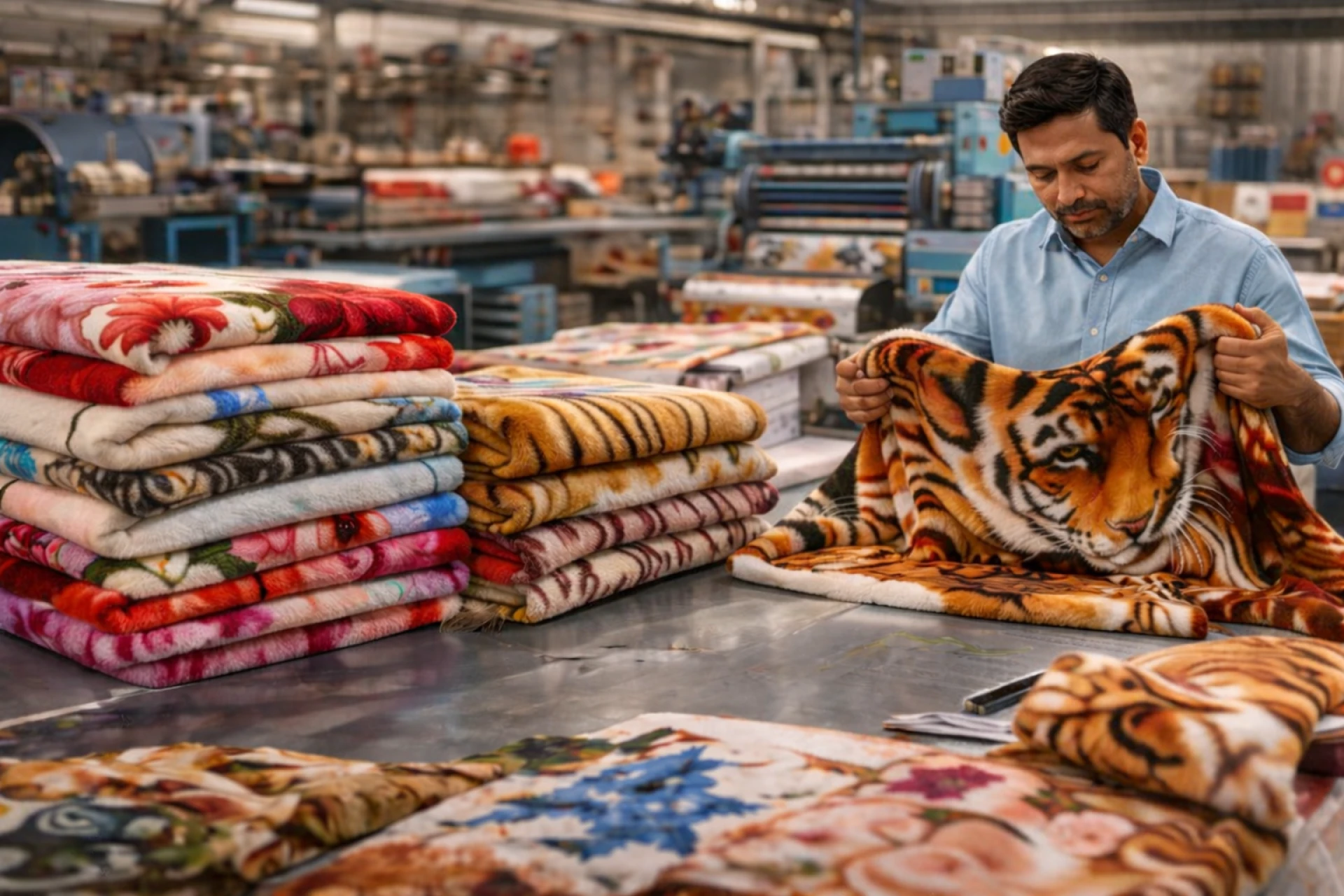
The global home textile industry is evolving rapidly, and mink blankets continue to hold a strong position within it. Known for their warmth, softness, and visual appeal, mink blankets are widely used across households, hospitality, export markets, and institutional buyers. As international demand patterns shift, manufacturers are being pushed to adapt to new expectations around quality, sourcing, pricing, and supply stability.
For every mink blanket manufacturer, the future depends on how well they understand these changes and respond with flexible, forward-looking strategies.
Changing Global Demand Patterns
Global buyers are no longer focused only on price. They now prioritize consistent quality, dependable delivery schedules, and long-term supplier reliability. Mink blankets, once considered seasonal products, are now purchased year-round for diverse applications such as hotels, gifting programs, disaster relief, and retail exports.
This steady demand has created opportunities, but it has also raised expectations. Buyers want assurance that manufacturers can handle volume increases without sacrificing fabric softness, stitching quality, or finishing standards.
Rising Importance of Supply Chain Stability
One of the most significant challenges in global markets today is supply chain unpredictability. Raw material availability, transportation delays, and fluctuating production costs have made planning more complex.
Manufacturers that invest in stable sourcing networks and maintain buffer planning are better positioned to meet international timelines. Reliability has become a deciding factor for buyers choosing long-term partners over short-term suppliers.
India’s Expanding Role in the Mink Blanket Market
India has emerged as a key production hub for home textiles, including mink blankets. Strong manufacturing infrastructure, skilled labor, and scalable production capabilities make the country attractive to global buyers.
Many mink blanket manufacturers in India are gaining recognition for their ability to deliver large volumes while maintaining consistent quality. Their flexibility in handling custom designs, sizes, and packaging further strengthens their appeal in export markets.
Quality Consistency as a Market Requirement
Global buyers expect uniform quality across every shipment. Variations in pile height, fabric density, color consistency, or stitching can lead to rejections and loss of trust.
To stay competitive, manufacturers are focusing on stricter quality control at each production stage. Consistency is no longer a differentiator; it is the minimum requirement for participation in international markets.
Adapting to Cost Pressures Without Compromising Standards
Rising input costs are a reality across textile manufacturing. Energy prices, logistics expenses, and raw material costs continue to fluctuate. The challenge lies in managing these pressures without lowering product standards.
Successful manufacturers are optimizing processes, improving production efficiency, and reducing waste. These measures help absorb cost increases while maintaining competitive pricing for buyers.
Customization and Buyer-Specific Requirements
Global markets demand flexibility. Buyers increasingly request customized colors, patterns, weights, branding, and packaging. Manufacturers who can accommodate these requirements gain a clear advantage.
Customization is particularly important for institutional and export buyers who need products aligned with specific regional preferences or branding guidelines. Adaptability strengthens long-term buyer relationships and repeat business.
Sustainability Expectations Are Growing
While mink blankets are synthetic by nature, sustainability expectations still influence buyer decisions. Efficient resource usage, reduced production waste, and responsible manufacturing practices are becoming part of supplier evaluations.
Manufacturers adopting cleaner processes and transparent operations are better positioned to meet future compliance requirements in global markets.
Technology and Process Improvements
Automation, modern machinery, and better production planning tools are helping manufacturers improve consistency and reduce lead times. Technology also supports better inventory management and order tracking, which are critical for export-focused operations.
Manufacturers investing in process upgrades are able to respond faster to demand changes and reduce operational risks.
Export Market Opportunities and Challenges
Export markets offer significant growth potential, but they also come with strict expectations. Compliance with quality standards, documentation accuracy, and delivery timelines is essential.
Many mink blanket manufacturers in India are strengthening their export capabilities by improving packaging standards, adopting future-ready designs, and aligning production schedules with international shipping cycles.
Building Long-Term Buyer Trust
Trust remains the foundation of global trade. Buyers prefer manufacturers who communicate clearly, honor commitments, and resolve issues quickly. One delayed or inconsistent shipment can damage years of relationship-building.
Manufacturers that focus on transparency, realistic timelines, and consistent performance are more likely to secure repeat orders and long-term contracts.
What the Future Holds?
The future of mink blanket manufacturing in global markets will be shaped by reliability, quality, consistency, and adaptability. Buyers will increasingly favor manufacturers who offer stable supply, flexible production, and dependable communication.
For any mink blanket manufacturer aiming to grow internationally, success will depend less on short-term pricing advantages and more on long-term operational discipline and buyer confidence.
Conclusion
Global markets are opening new doors for mink blanket producers, but they also demand higher standards than ever before. Manufacturers who invest in supply stability, quality control, and responsive production systems will be best positioned for sustainable growth. As expectations continue to evolve, the ability to adapt while maintaining consistency will define the next phase of success in the mink blanket industry.
FAQs
1. Why is supply reliability important for mink blanket manufacturers?
Reliable supply ensures timely deliveries, consistent quality, and long-term buyer trust, especially when serving international retailers and institutional buyers.
2. How do global buyers evaluate mink blanket manufacturers?
Buyers assess production capacity, quality consistency, packaging standards, delivery timelines, and communication efficiency before finalizing suppliers.
3. What role does quality inspection play in mink blanket exports?
Quality checks help maintain uniform softness, stitching strength, and color accuracy, reducing returns and ensuring compliance with buyer expectations.
4. How does warehouse management impact global mink blanket supply?
Efficient warehousing supports faster dispatch, better inventory control, and reduced damage during storage and transportation.
5. Why are Indian mink blanket manufacturers gaining global attention?
Indian manufacturers offer scalable production, skilled labor, competitive pricing, and the ability to handle customized bulk requirements efficiently.
6. How does Jindaltex contribute to reliable mink blanket supply?
Jindaltex focuses on structured production planning, quality monitoring, and dependable logistics, helping buyers receive consistent products across repeated orders.
7. What challenges do mink blanket manufacturers face in global markets?
Common challenges include fluctuating raw material costs, shipping delays, changing buyer standards, and the need for consistent batch quality.
8. Why do buyers prefer long-term partnerships with manufacturers like Jindaltex?
Buyers value predictable supply, transparent communication, and stable quality, which reduce operational risks and support long-term business growth.