



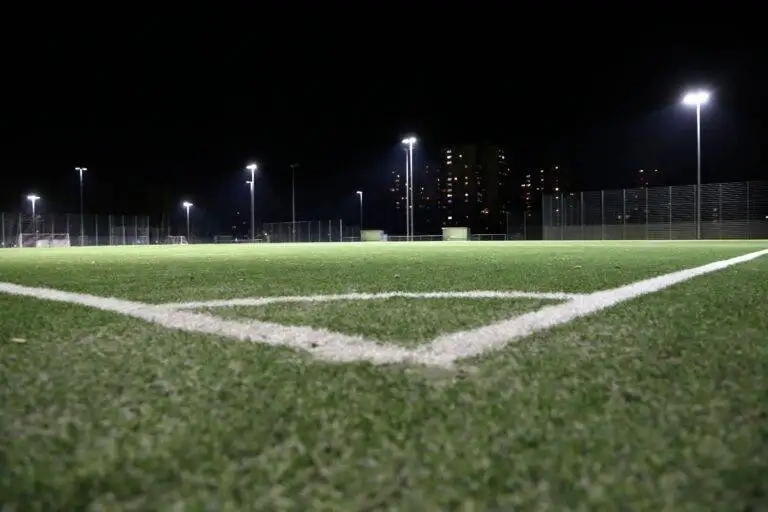
Night matches are an electrifying experience for players and fans alike. The roar of the crowd, the intensity of the competition, and the spectacle under the floodlights all combine to create unforgettable moments. However, behind the scenes, the success of these events hinges on one critical element: effective stadium lighting. Without proper illumination, even the most anticipated match can fall flat, affecting gameplay, broadcasting quality and spectator enjoyment.
Modern stadiums across the UK and Europe are increasingly adopting advanced lighting systems to meet the rigorous demands of night-time sporting events. Whether it's football, rugby, or athletics, the right lighting setup ensures not only excellent visibility but also contributes to safety, energy efficiency, and compliance with regulatory standards. For those responsible for upgrading or maintaining such systems, exploring reliable Stadium Lighting solutions becomes essential to guarantee optimal performance under the floodlights.
Key Points
- Understanding the principles of effective stadium lighting.
- The role of lighting in enhancing gameplay and spectator experience.
- Technological advancements in LED fixtures and smart control systems.
- Compliance with international standards for broadcast and safety.
- Energy efficiency, sustainability, and long-term cost considerations.
Understanding the Role of Stadium Lighting
Stadium lighting is far more than just brightening a pitch. It serves multiple functions, including ensuring that players can perform at their best, referees can make accurate decisions, and fans—both in the stands and watching at home—can clearly follow the action. During the night, when natural light is absent, artificial lighting must replicate daylight conditions as closely as possible.
Visual Clarity and Performance
Players rely on high visual clarity to track fast-moving balls and anticipate opponents’ movements. A well-lit pitch reduces shadows and blind spots that could impact performance. Proper lux levels—typically above 500 lux for amateur settings and 2000 lux or more for professional matches—are essential for this clarity.
Broadcast Compatibility
With many matches broadcast live or streamed online, lighting must also cater to high-definition cameras. This includes flicker-free illumination and uniform brightness to avoid uneven images. The shift to digital broadcasting has made it critical to maintain consistent colour rendering and temperature for accurate image reproduction.
Key Characteristics of Effective Stadium Lighting
Effective stadium lighting systems must meet a wide range of criteria. Below are the core characteristics that define a high-performing solution:
1. Uniformity and Minimal Glare
Lighting uniformity is crucial in covering every part of the playing surface evenly. Uneven lighting can create dark zones that hinder visibility. Glare, on the other hand, can not only distract players but also diminish the viewing experience for spectators. Well-designed fixtures and strategic positioning of lights help mitigate these issues.
2. Colour Rendering Index (CRI)
The CRI measures how accurately a light source reveals the true colours of objects. In stadiums, a high CRI (80 or above) ensures that the colours of kits, the pitch, and other visual elements appear vivid and natural, enhancing both live and broadcast viewing experiences.
3. Beam Angle and Light Spill Control
Different sports require different beam angles. For football or rugby, narrow beams might be used for long throws, while wider beams ensure full-pitch coverage. Moreover, preventing light spill outside the stadium is important for environmental and community reasons, especially in urban settings.
4. Energy Efficiency
With energy prices on the rise, stadiums must adopt lighting that provides maximum output with minimal consumption. LED technology has become the go-to choice for new installations due to its longevity and reduced energy usage compared to traditional metal halide lamps.
LED Technology – A Game Changer
In the past decade, LED systems have transformed stadium lighting. These solutions offer several benefits over conventional lighting:
- Instant On/Off: Unlike metal halide lamps, LEDs power up instantly, offering flexibility during matches and events.
- Long Lifespan: LEDs last significantly longer, reducing maintenance needs and downtime.
- Smart Integration: Advanced control systems allow dynamic lighting scenarios, such as light shows or dimming, tailored to matchday experiences.
- Lower Heat Emission: LEDs produce less heat, contributing to better thermal management and safety.
Design Considerations for Stadium Lighting
Designing an effective lighting system requires a multidisciplinary approach, involving architects, lighting engineers, and sports authorities. Key factors include:
Lighting Layout
Depending on the stadium configuration—whether it’s open-air, partially covered, or fully enclosed—the lighting layout must be tailored to eliminate shadow zones and provide consistent coverage.
Fixture Placement
Typically, fixtures are mounted on high masts or along the stadium roof. The angle, height, and orientation are calculated to optimise beam spread and minimise glare.
Lux Level Requirements
Regulatory bodies such as UEFA, FIFA, and the FA set minimum lux levels for different levels of competition. For instance, UEFA’s Elite Level A stadiums require up to 2,000 lux for horizontal illuminance.
Compliance and Standards
Lighting systems must comply with several standards to host professional night matches. These include:
- EN 12193: European standard for sports lighting, covering indoor and outdoor arenas.
- FIFA and UEFA Guidelines: For international football events, adherence to these guidelines is mandatory.
- Broadcast Partner Requirements: TV networks often impose additional specifications for lighting to ensure broadcast quality.
Safety and Spectator Comfort
Lighting also plays a direct role in ensuring the safety of both players and spectators. Emergency exit paths, staircases, and parking areas must be illuminated to facilitate safe movement. In addition, proper lighting reduces the risk of accidents caused by poor visibility or disorientation in crowded areas.
Environmental Impact and Sustainability
With increasing focus on sustainability across the UK and Europe, modern stadiums are adopting environmentally responsible lighting solutions. LEDs, combined with smart controls, significantly reduce energy consumption. Light pollution controls such as shields and cut-off optics help protect neighbouring communities and wildlife.
Case Example: Tottenham Hotspur Stadium
One of the most advanced stadiums in Europe, Tottenham Hotspur Stadium employs dynamic LED lighting with real-time control systems. The lighting meets UEFA and Premier League standards while reducing operational costs and environmental impact.
Maintenance and Operational Factors
Reliability is key in stadium lighting. Failures during a match can result in interruptions, penalties, and negative publicity. Hence, maintenance plans should include:
- Regular inspections and functionality tests.
- Real-time monitoring systems to detect faults immediately.
- Easy access to fixtures for repair or replacement.
LED systems typically require less frequent maintenance than traditional lighting, which translates to lower operational costs over the long term.
Smart Lighting and Future Trends
As technology evolves, stadiums are exploring new ways to integrate lighting with other systems such as PA systems, video boards, and environmental sensors. Emerging trends include:
- IoT-Enabled Lighting: Smart fixtures that report performance data and can be controlled remotely.
- Adaptive Lighting: Systems that adjust brightness based on crowd movement, time of day, or event type.
- Augmented Reality Integration: Enhancing fan experience through lighting synchronised to mobile AR apps or wearables.
Conclusion
Effective stadium lighting is a critical component of successful night matches. From enhancing performance and safety to ensuring compliance and reducing environmental impact, the right lighting setup can make all the difference. In today’s climate, choosing innovative and sustainable Stadium Lighting solutions is not just a technical decision—it’s a strategic one. Whether upgrading an existing system or designing a new stadium, the focus must always be on delivering excellence under the floodlights.
Frequently Asked Questions (FAQ)
What is the minimum lux level required for professional football matches?
UEFA requires a minimum of 2,000 lux for horizontal illuminance in Elite Level A stadiums. Lower levels may be acceptable for amateur or training facilities.
Why is uniformity important in stadium lighting?
Uniform lighting ensures there are no dark spots on the field, which helps players perform better and ensures accurate broadcasting and viewing for fans.
Are LED lights better than traditional stadium lighting?
Yes, LEDs offer higher energy efficiency, longer lifespan, instant start-up, and better performance in terms of light quality and control.
How does stadium lighting affect TV broadcasts?
High-quality lighting ensures that colours are rendered correctly, shadows are minimised, and the footage is flicker-free, which is crucial for HD and 4K broadcasts.
What role does lighting play in fan experience?
Good lighting enhances visibility, safety, and atmosphere, all of which contribute to a more enjoyable and memorable experience for spectators.
Can lighting be customised for different types of events?
Absolutely. Modern systems allow for programmable lighting scenarios, enabling custom settings for different sports, concerts, or community events.
Is it expensive to switch to LED lighting?
While the initial investment may be higher, the long-term savings on energy and maintenance often make it a cost-effective solution over time.